
21 Red Light Therapy Benefits Debunked: What’s Real and What’s Fake According to Science
Welcome to my article where I examine the claims about red light therapy benefits and cut through the marketing noise to find what actually works.
My name is Marco Gentile, and I’ve spent over 10 years helping people find the right tools and methods for better health and wellness. I currently work at the Burke SPA & Wellness Center in Los Angeles.
Red light therapy has exploded in popularity recently.
Search for “red light therapy benefits” and you’ll find some pretty wild claims. People say it reverses aging, repairs DNA, boosts stem cells, or even cures conditions that medical science still can’t fully treat.
Some claims sound ridiculous. Others sound convincing enough to make you pull out your wallet.
Here’s the truth: red light therapy does deliver real benefits backed by science. Solid research shows it improves wound healing, reduces pain and inflammation, and even helps with mood. I use it myself and recommend it to clients because I know it works. But the internet is full of claims that just don’t hold up.
Marketing teams and fringe science groups create most red light content online. They use fancy biological terms and buzzwords to make everything sound more impressive than it really is.
This approach confuses people, sets unrealistic expectations, and makes everyone more skeptical.
I decided to do what nobody else seems willing to do: examine every popular claim about red light therapy and check what the science actually supports. No hype, no scare tactics. Just an honest look at what research really proves.
I’ll rate each claim based on the evidence available. Here’s how my system works:
- 🟢 Proven by Science – Multiple peer-reviewed studies or consistent clinical results back these benefits. You can trust them.
- 🟡 Not Proven, But Likely – Early data looks promising or the biological reasoning makes sense, but we need more quality human studies.
- 🟠 Not Proven, But Possible – A theoretical basis exists or some encouraging stories emerged, but evidence remains limited or low quality.
- 🔴 Speculation – These flashy claims sound too good to be true because they are. Marketing hype or pseudo-science created them, and no real evidence supports them.
I’m not trying to trash red light therapy. I want to protect its reputation by separating facts from fiction. This therapy deserves serious consideration, but we need honesty about what it actually does versus what sellers claim it does. Let’s get into it.
Quick Disclaimer on Wording
Words matter when you talk about health benefits. I chose my phrasing carefully in this article because small wording changes can completely flip a verdict.
Someone might claim “red light therapy heals acne”. That’s an absolute statement, and without clear, consistent proof that it heals acne, I’d mark it 🔴 Speculation. But “red light therapy helps with acne” is more accurate and research supports it. Studies show it can reduce it. That claim would get 🟢 Proven by Science or 🟡 Not Proven, but Likely, depending on how strong the evidence is.
I used balanced phrasing throughout this article (“helps with” instead of “heals” or “cures”) because it matches what science actually shows and how most people really experience red light therapy.
All Red Light Therapy Benefits at a Glance
Red Light Therapy Benefits – #1
Helps with Skin Health

Red light therapy has gained attention as a skin treatment, but what does the science actually say? The research presents compelling evidence worth examining.
Clinical trials provide solid support for its effectiveness. In one significant study, researchers followed 136 participants who received red light treatments twice weekly for 15 weeks. The results showed real improvements in wrinkles, skin roughness, and collagen density. Collagen is the protein that keeps skin firm and youthful.
Importantly, these weren’t just subjective opinions. Researchers used ultrasound imaging and took photographs analyzed by independent experts who didn’t know which participants received treatment.
Red light stimulates your skin cells to produce more collagen and repair damage. Multiple controlled trials have confirmed these results. Safety reviews show the treatment is safe for cosmetic use.
Red light therapy for skin health isn’t just marketing hype. Well-designed studies with objective measurements show real improvements in skin appearance, texture, and collagen levels. The evidence is strong enough to say it genuinely works.
Red Light Therapy Benefits – #2
Helps with Wound Healing
Red light therapy for wound healing might sound unconventional, but the clinical evidence is surprisingly strong. The research presents compelling results worth examining.
Scientists recently analyzed 18 different clinical trials involving 670 people with skin wounds. The findings showed that red light therapy significantly reduced wound size and increased complete healing rates compared to standard treatment alone. The benefits were particularly notable for diabetic foot ulcers, which typically resist conventional treatment.
One controlled study on diabetic foot ulcers found that patients using red light therapy healed in an average of 11 weeks versus 14 weeks with standard care. Additional research confirms similar benefits for burns, pressure ulcers, and skin grafts.
The biological mechanism is well-documented: red light stimulates cellular energy production and increases collagen formation, both essential for tissue repair. While earlier studies from the 2000s showed mixed results, those trials suffered from poor study design—issues that recent, higher-quality research has addressed.
Multiple well-designed clinical trials and a comprehensive meta-analysis demonstrate that red light therapy genuinely accelerates wound healing, particularly for challenging wounds like diabetic ulcers. The evidence is substantial and consistent.
Red Light Therapy Benefits – #3
Reduces Pain and Inflammation

Red light therapy is often promoted for pain relief and reducing inflammation, but does it actually work? The research shows promising results, though the evidence isn’t quite as definitive as for wound healing.
Multiple comprehensive analyses of clinical trials show red light therapy reduces pain in conditions like plantar fasciitis and knee osteoarthritis. One major review found it decreased pain intensity by about 22 points in plantar fasciitis patients.
The biological mechanism makes sense: red light appears to boost cellular energy while reducing inflammatory chemicals in the body. Laboratory studies and animal research consistently show decreased swelling and inflammation markers. Research reviews confirm these anti-inflammatory effects across multiple studies.
However, there are some limitations. Study quality varies, and some areas like lower back pain need more research. The Cochrane review notes insufficient data for certain pain conditions.
While we need larger, higher-quality trials for definitive proof, the existing clinical evidence combined with strong biological mechanisms suggests red light therapy genuinely helps reduce pain and inflammation in musculoskeletal conditions.

Red Light Therapy Benefits – #4
Helps with Hair Loss & Growth
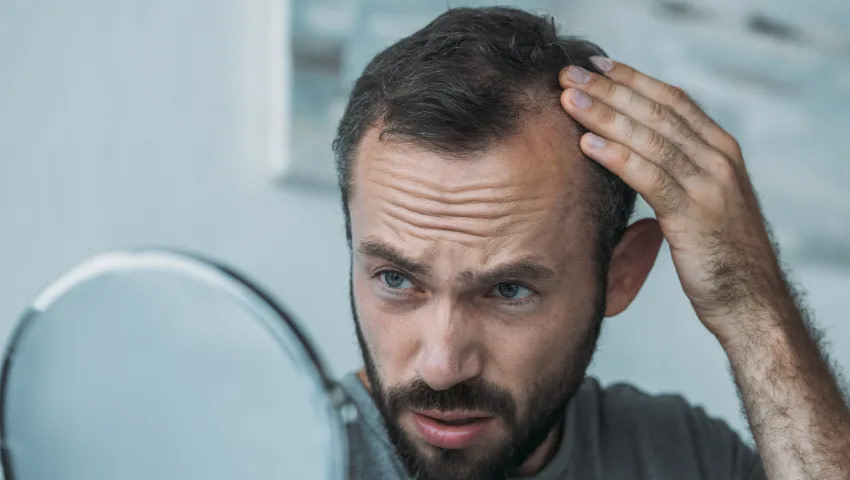
Red light therapy for hair loss has gained attention as a non-invasive treatment option. The scientific evidence for this application is particularly strong, especially for pattern baldness.
Multiple comprehensive reviews analyzing numerous clinical trials show that red light therapy significantly increases hair density and count compared to placebo treatments. The effects appear to be long-lasting, with improvements sustained for six months or more. Network analyses comparing different hair loss treatments rank red light therapy alongside minoxidil as one of the most effective non-surgical options for both men and women with pattern baldness.
Real-world studies tracking over 1,300 patients confirm these findings, showing measurable increases in terminal hair density. The biological mechanism is well-understood: red light stimulates energy production in hair follicle cells and activates growth pathways that counteract follicle shrinkage. Laboratory studies on human hair follicles demonstrate that 650 nm red light promotes follicle growth and activates growth-related genes.
Safety data is reassuring, with no serious side effects reported across studies.
Multiple high-quality clinical trials and meta-analyses consistently demonstrate that red light therapy effectively increases hair density and count in pattern hair loss. The evidence is robust and the treatment appears safe.
Red Light Therapy Benefits – #5
Helps with Muscle Recovery & Performance

Athletes and fitness enthusiasts often use red light therapy to speed up recovery after workouts. The research shows promise, though the evidence isn’t quite as clear-cut as for other applications.
Multiple research reviews analyzing clinical trials suggest red light therapy reduces muscle soreness and damage markers while improving strength and endurance. Studies show it can decrease oxidative stress and boost antioxidant enzymes after exercise. Clinical trials on athletes demonstrate improved peak torque, reduced muscle soreness, and better performance in functional tests like CrossFit workouts.
The timing matters: research indicates red light therapy works better when used before exercise rather than only after. The biological mechanism makes sense—red light boosts cellular energy production and reduces inflammation markers. Laboratory studies confirm reduced oxidative damage and improved enzyme activity.
However, there’s a catch. Studies use different wavelengths, doses, and timing protocols, making it difficult to determine the optimal approach. Some research confirms benefits for sports performance, but results vary depending on how it’s applied.
Multiple clinical trials and reviews show red light therapy helps with muscle recovery and performance, but inconsistent protocols across studies prevent definitive conclusions. The evidence is strong enough to suggest genuine benefits, though more standardized research is needed.
Red Light Therapy Benefits – #6
Helps with Arthritis

Red light therapy has become a popular treatment option for arthritis pain, particularly for knee osteoarthritis. The research presents encouraging results worth examining.
Comprehensive analyses of numerous clinical trials show red light therapy significantly reduces pain levels—typically by 14-16 mm on pain scales—compared to placebo treatments. Studies also demonstrate improvements in physical function that last up to 12 weeks after treatment. When compared to other physical therapies, red light therapy ranks highly for relieving pain and stiffness in knee osteoarthritis.
The biological explanation is well-documented: red light reduces inflammatory chemicals in joints while promoting cartilage cell repair through increased cellular energy production. Animal studies confirm decreased joint inflammation and swelling. Research shows wavelengths between 780-905 nm appear most effective.
The evidence for rheumatoid arthritis is less extensive but shows promise, with some trials noting benefits when used alongside standard treatments. The main limitation is that studies use varying treatment protocols, making it challenging to establish standardized recommendations.
Substantial evidence from controlled trials indicates red light therapy genuinely helps reduce arthritis pain and improve function, especially in knee osteoarthritis. While protocol variations across studies prevent absolute certainty, the consistent positive results and strong biological rationale suggest real therapeutic value.
Red Light Therapy Benefits – #7
Helps with Depression

Red light therapy applied to the head, called transcranial photobiomodulation, is being explored as a potential treatment for depression. The research is intriguing but still in early stages.
A comprehensive 2023 meta-analysis examining controlled trials shows that transcranial red light therapy reduces depression scores compared to placebo treatments, particularly when applied to the forehead area. Promising pilot studies published in the Harvard Review of Psychiatry on patients with major depressive disorder reported 40-60% of participants responding to treatment, with mood improvements lasting several weeks. An extensive 2024 systematic review in Frontiers in Psychiatry found notable improvements in both mood and cognitive function, along with reduced inflammation markers.
The proposed mechanism is fascinating: near-infrared light penetrates the skull to boost energy production in brain cells, particularly in the frontal cortex. Peer-reviewed neuroscience research demonstrates this increases blood flow and oxygen delivery while reducing oxidative stress and brain inflammation. Well-controlled preclinical investigations using animal models showed it can counteract chronic stress-induced depression.
However, there are important limitations. The clinical trials so far involve small numbers of patients, and researchers note that treatment protocols vary significantly between studies. Safety data is reassuring, with no serious side effects reported across trials.
While early clinical trials and biological mechanisms suggest transcranial red light therapy could help with depression, the limited number of studies and small patient populations mean we can’t draw firm conclusions yet. The preliminary results are promising enough to warrant larger, more rigorous trials.

Red Light Therapy Benefits – #8
Improves Sleep Quality

You’ve probably heard that blue light from phones wrecks your sleep. But what about red light? Could it actually help you sleep better? The idea sounds almost too simple, but there’s some interesting science emerging around this.
A 2012 study in the Journal of Athletic Training found that 20 female basketball players who received 30 minutes of whole-body red light therapy nightly for two weeks showed measurable improvements in both sleep quality and melatonin levels compared to a placebo group. Another controlled trial published in 2019 tested red light masks and goggles, finding that saturated red light delivered through closed eyelids reduced sleep inertia—that groggy feeling after waking up.
The proposed mechanism makes sense: unlike blue light, red and near-infrared wavelengths barely suppress melatonin, allowing your natural sleep hormone to rise. A 2022 review in Frontiers in Neuroscience suggests red light during sleep may even boost glymphatic flow, the brain’s waste-removal system that clears out toxins like amyloid.
However, results haven’t been consistent. A 2023 study found red light before bed increased anxiety and actually disrupted sleep in some participants. The effects seem highly protocol-dependent—wavelength, timing, and intensity all matter.
Not proven but possible. Small trials show promise for improving sleep quality and reducing morning grogginess, with plausible mechanisms involving melatonin preservation and brain clearance systems. But the evidence remains sparse and mixed, with no large-scale studies confirming optimal protocols. Worth watching as research develops.
Red Light Therapy Benefits – #9
Helps with Alzheimer’s and Parkinson’s Diseases

Could red light protect against Alzheimer’s and Parkinson’s? It’s an interesting idea, but almost no one has actually tested it on humans yet.
The theory comes from a 2019 mouse experiment published in Antioxidants & Redox Signaling where researchers shined 630nm red LED light on mice that were bred to age faster than normal. The light seemed to turn on an enzyme that breaks down formaldehyde, a toxic chemical that builds up in Alzheimer’s patients’ brains. These treated mice performed better on memory tests. Excited by this, the same Chinese research team planned a proper human trial in 2020 to test 630nm red light on 60 older adults with Alzheimer’s for 24 weeks, checking if their memory and thinking improved. But four years later, they still haven’t published any results, which usually isn’t a good sign.
The only human brain data comes from a 2019 small study on 12 military veterans with traumatic brain injuries. They wore special helmets with red light LEDs for six weeks and showed better thinking ability and more blood flow to the brain. That’s promising, but it’s just 12 people with head injuries, not exactly proof it works for everyone’s memory or prevents Alzheimer’s and Parkinson’s.
No one has finished a proper human study testing red light for brain benefits, Alzheimer’s, or Parkinson’s. Everything is either mouse experiments, a study plan that never got published, or a tiny veteran study with head injuries.

Red Light Therapy Benefits – #10
Helps with Acne Reduction
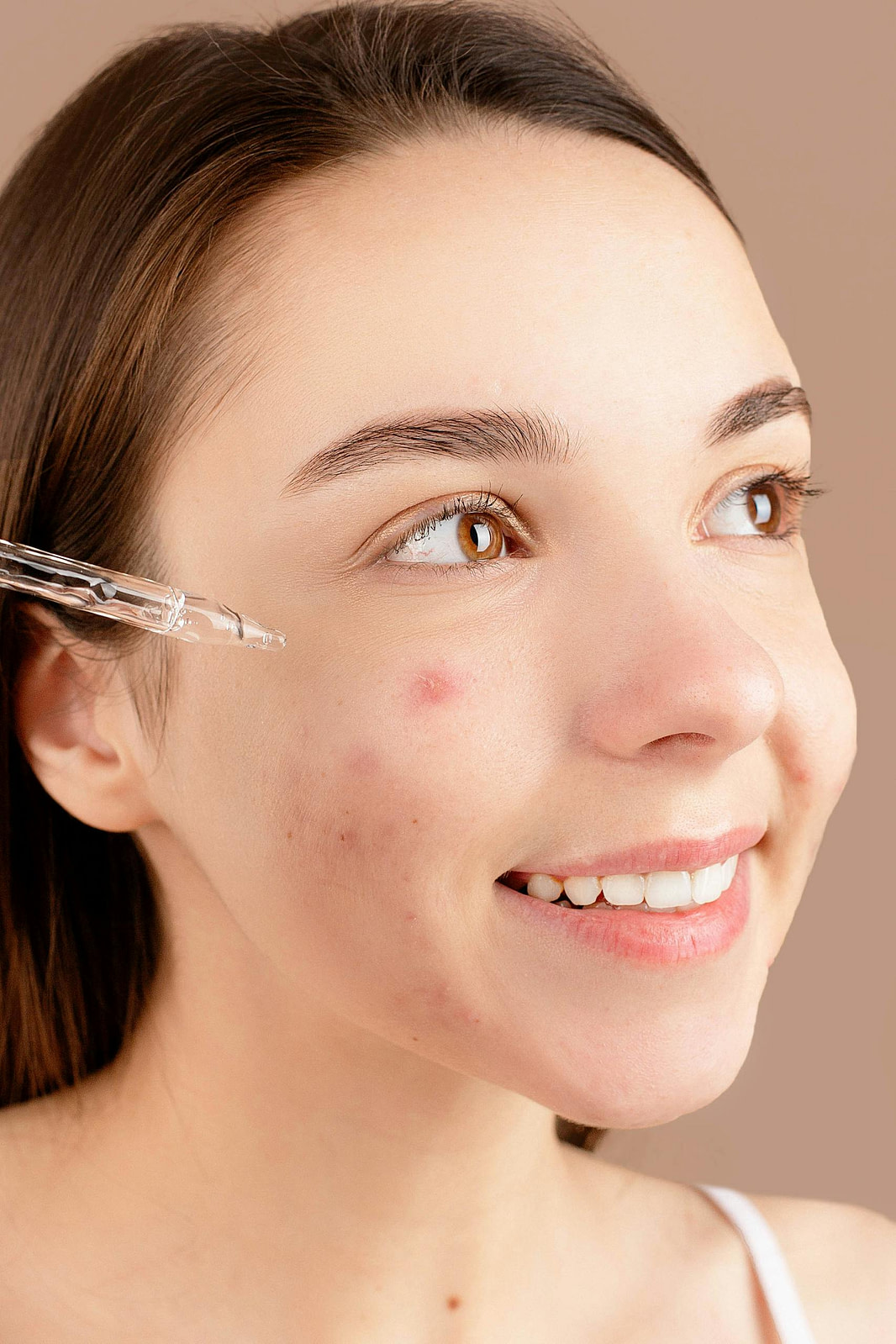
Can red light reduce acne? The research shows some promise, but the results are inconsistent.
A 2021 review published in the Journal of Cosmetic Dermatology analyzed 13 studies with 422 participants and found that red light therapy showed no clear advantage over traditional acne treatments. The improvements were modest and not statistically significant. Similarly, a large Cochrane review examined 71 studies with over 4,000 participants and concluded that light therapy for acne has low quality evidence, with uncertain effectiveness.
However, when red light is combined with blue light in the same device, the results improve. A 2013 study published in the British Journal of Dermatology showed these combination devices can reduce acne lesions by 40 to 70% over 12 weeks. Red light appears to reduce inflammation and promote healing, while blue light targets the bacteria that cause acne. Side effects are typically mild, usually limited to temporary redness.
The main limitation is that most studies are small, brief, and often combine red light with other treatments, making it difficult to isolate red light’s specific contribution.
Multiple studies demonstrate that red light therapy can reduce acne, particularly when combined with blue light, but the evidence quality remains moderate and larger controlled trials are needed.
Red Light Therapy Benefits – #11
Helps with Dental Health
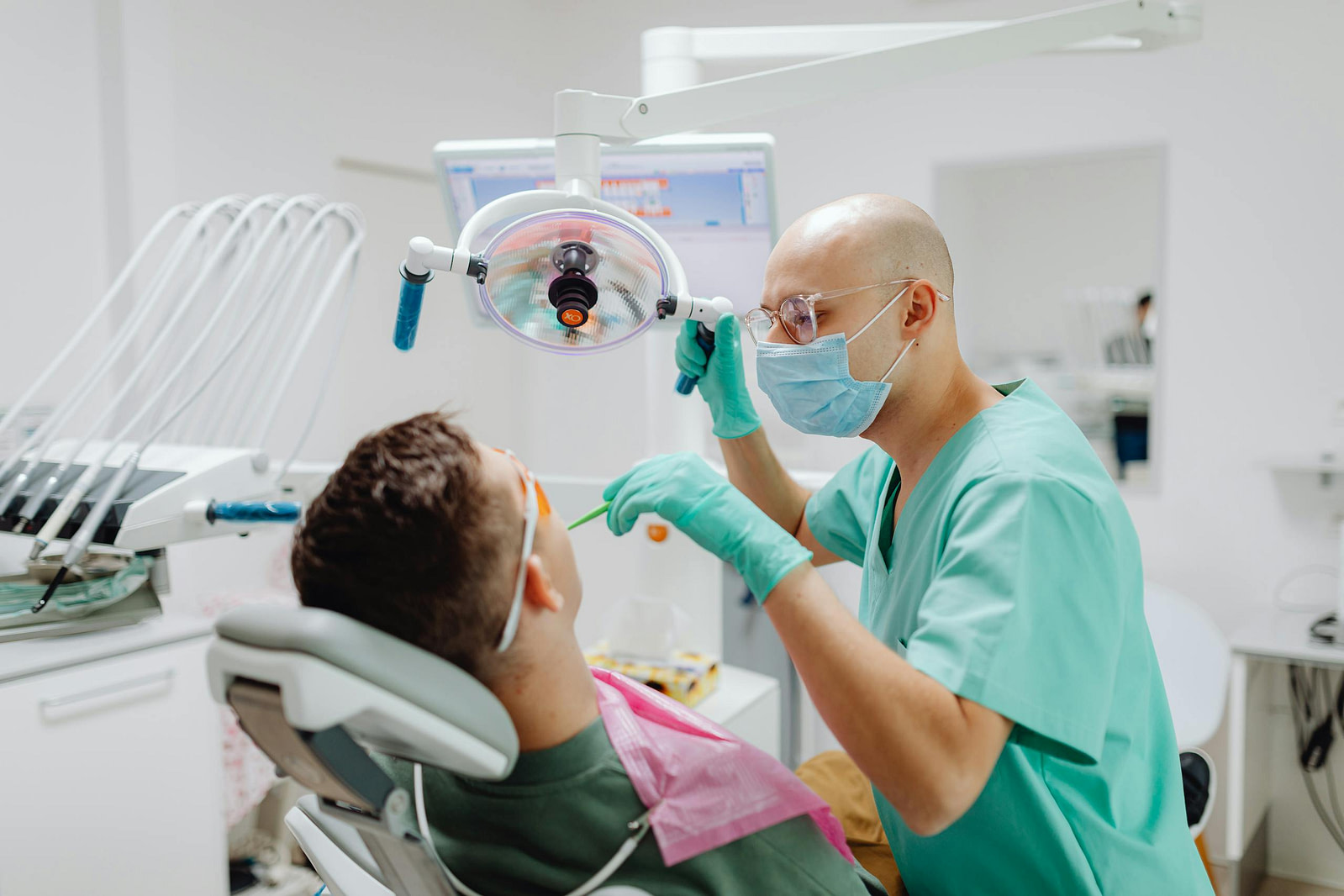
Can red light therapy help with dental problems? Some evidence suggests it might, particularly when used alongside regular dental treatments.
A 2024 review published in Lasers in Medical Science analyzed 22 studies testing red light as an add-on to standard gum disease treatments. Most studies used red light in the 630 to 660 nanometer range. When combined with the deep cleaning procedure dentists perform, red light therapy provided modest improvements in gum pocket depth, around 0.5 to 1 millimeter at one to three months after treatment.
For dental surgery, a 2020 analysis of 13 studies found red light therapy significantly reduced pain three days after periodontal surgery, though this benefit disappeared by day seven. Patients needed less pain medication during the first week, and wound healing appeared faster, with better tissue recovery seen two weeks after gum graft procedures.
The treatment appears safe with no serious side effects reported. However, most studies are small and short term. Larger trials with longer follow up are needed before red light therapy becomes a standard dental treatment.
Red Light Therapy Benefits – #12
Helps with Weigth Loss

Can red light help you lose weight? The evidence suggests it might offer modest benefits when used alongside diet and exercise, but it’s not a standalone solution.
A 2025 meta-analysis published in BMC Complementary Medicine and Therapies analyzed 11 studies with 569 patients. When combined with lifestyle changes, red light therapy showed reductions in waist circumference averaging 7 centimeters, weight loss of 3.5 kilograms, and slight BMI improvements. However, studies showed high variability in results, and most were small and short term.
A 2024 study in the Journal of Cosmetic Dermatology tested red and infrared light on 90 patients’ abdomens. Both light therapy alone and light combined with a fat targeting cream reduced abdominal measurements, with the combination showing slightly better results.
Red light may work by creating temporary pores in fat cells, allowing stored fats to be released, while also boosting cellular metabolism. Most protocols use wavelengths around 630 to 660 nanometers.
The treatment appears safe with no serious side effects. However, according to the most recent studies, viewing red light as a weight loss cure would be misleading. At best, it may provide a small boost to traditional diet and exercise efforts.
Red Light Therapy Benefits – #13
Helps with Hormonal Balance
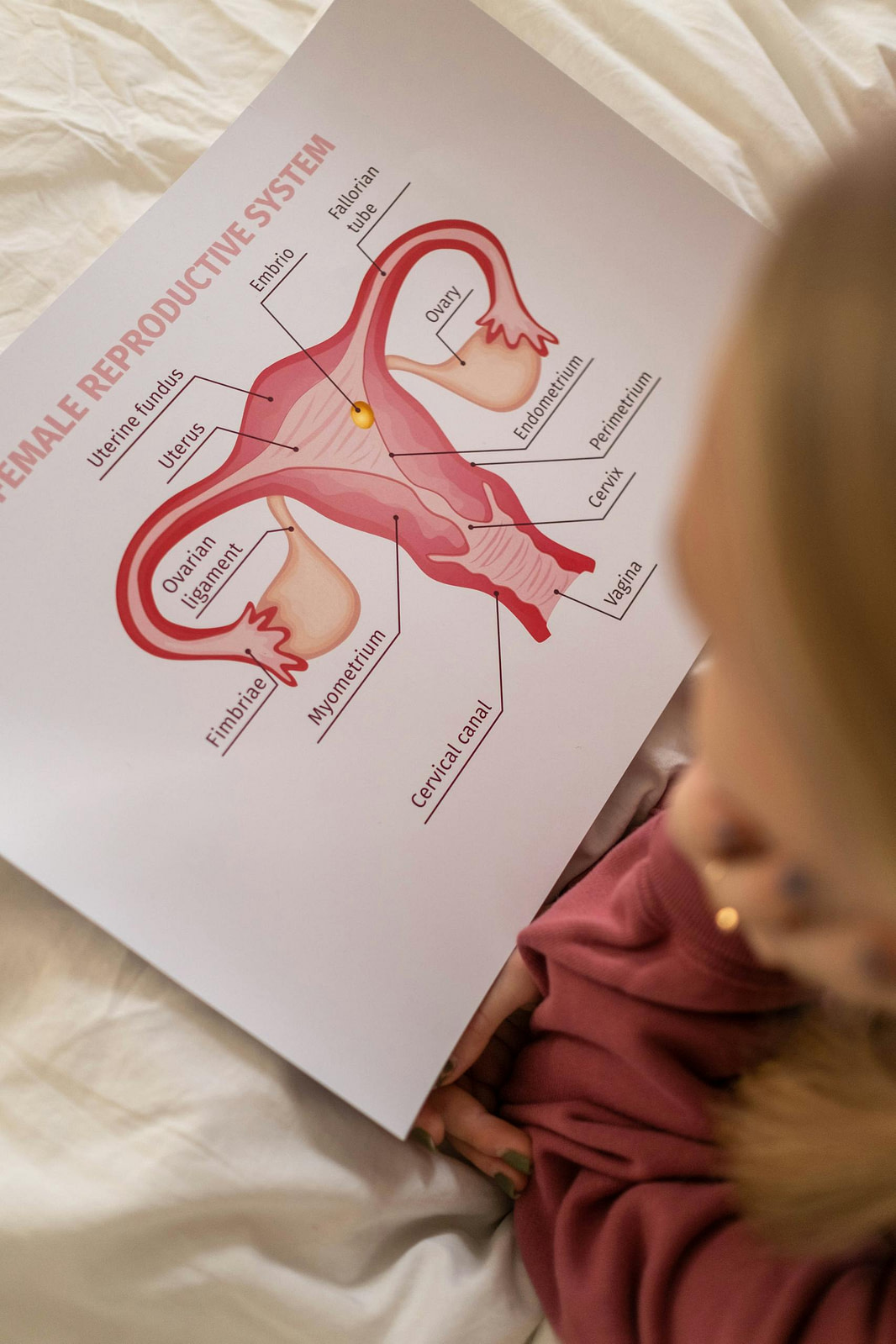
Can red light therapy balance your hormones? Despite marketing claims, there’s essentially no scientific evidence supporting this use.
No published studies have examined whether red light therapy affects sex hormones like testosterone or estrogen, stress hormones like cortisol, or metabolic hormones like insulin. The limited thyroid research used medical lasers, not consumer LED devices.
A 2021 safety study in the Journal of Clinical Medicine tested a red LED device on participants’ necks for 16 weeks. Thyroid function tests showed no changes, confirming safety but also demonstrating zero effect on thyroid hormones.
The theoretical basis relies on the idea that red light might boost energy production in hormone producing glands. However, this remains speculation with no clinical validation.
Some studies examined laser therapy for autoimmune thyroiditis, a specific thyroid condition. But these used medical grade lasers at different wavelengths than consumer devices, making the findings impossible to generalize.
Claims that red light therapy can balance hormones, regulate metabolism, or improve endocrine function lack scientific support. No studies exist to back these assertions.
Red Light Therapy Benefits – #14
Boosts the Immune System

Can red light therapy boost your immune system? While laboratory studies show it affects immune cells, there’s no evidence it enhances overall immunity or helps fight infections in healthy people.
A 2024 comprehensive review in Lasers in Medical Science examined photobiomodulation’s effects on immune function. The research focused on laboratory and animal studies showing red light modulates inflammatory signaling molecules in the body. Studies found it decreased some inflammatory proteins and increased anti-inflammatory ones in mice, with effects on immune cells in controlled settings.
However, these findings come from test tubes and animal models, not human trials. No studies have tested whether red light therapy helps healthy people resist infections, produce more immune cells, or recover faster from illness.
A 2023 mouse study in Frontiers in Neuroscience found red and near infrared light reduced inflammation when mice were exposed to bacterial toxins. While promising for understanding anti-inflammatory effects, this doesn’t translate to immune boosting in humans.
Red light therapy appears to modulate inflammation rather than enhance immune defenses. Claims that red light therapy strengthens immunity or prevents illness lack scientific support.
Red Light Therapy Benefits – #15
Improves Eye Health
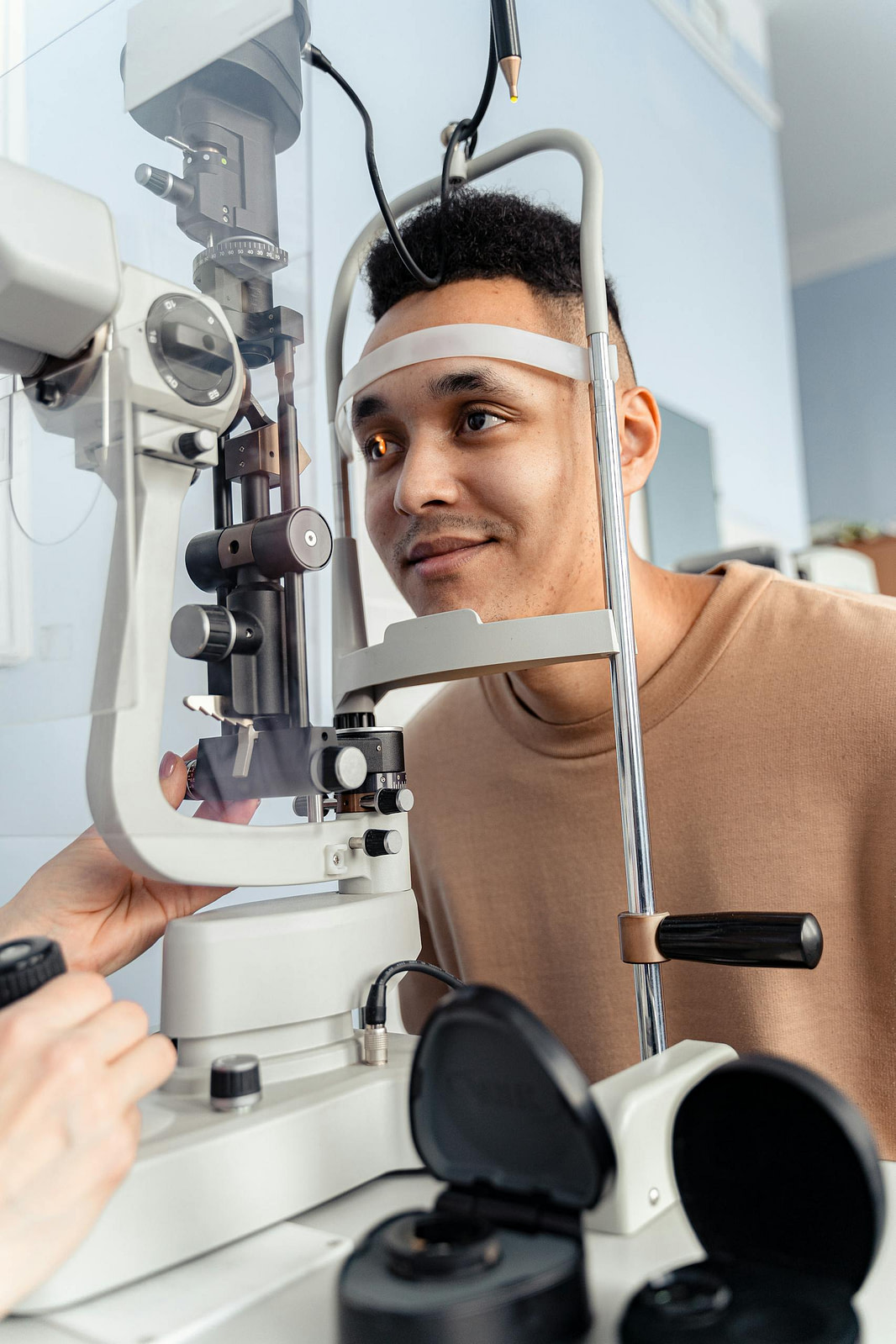
Can red light therapy improve vision or treat age related macular degeneration? While animal studies show promise for protecting retinal cells, human evidence is extremely limited. The one proven use is myopia control in children, which slows nearsightedness progression but doesn’t repair existing eye damage.
Animal research shows red light (670 nm) protects retinal cells from oxygen damage and reduces inflammation in laboratory models. However, these findings haven’t translated to proven treatments for human eye diseases like macular degeneration.
One 2020 pilot study in Investigative Ophthalmology & Visual Science tested 670 nm red light in 60 patients with age related macular degeneration for 12 months. The treatment showed no significant improvements in vision or disease progression in patients with intermediate macular degeneration, despite good participant compliance.
The FDA recently authorized one specialized medical device (Valeda) for dry macular degeneration, which uses a specific combination of wavelengths different from typical consumer devices. Results from its clinical trial showed modest improvements, but more research is needed to confirm long term benefits and safety.
The one area where red light therapy has strong evidence is myopia control in children. Multiple clinical trials published in Ophthalmology show repeated low level red light (650 nm, 3 minutes twice daily) slows nearsightedness progression by thickening the choroid, the layer beneath the retina. This prevents eyeball elongation but doesn’t reverse existing myopia or treat other eye conditions.
Claims that red light therapy improves overall eye health, or repairs retinal damage lack scientific support beyond animal studies.
Red Light Therapy Benefits – #16
Reduces Fine Lines
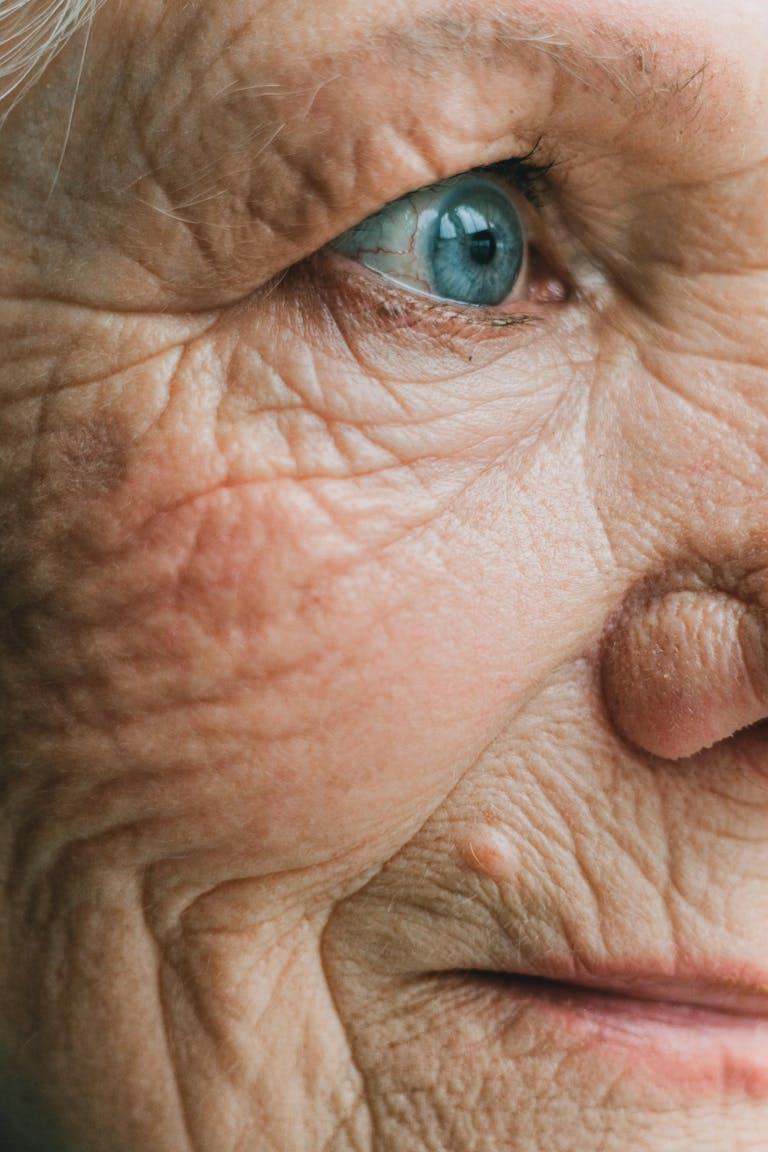
Can red light therapy reduce wrinkles and reverse skin aging? Multiple clinical trials show red light increases collagen production and reduces fine lines. The evidence is stronger than most red light therapy claims.
A 2014 randomized controlled trial in Photomedicine and Laser Surgery tested red light (611 to 650 nm) on 136 volunteers treated twice weekly for 15 weeks. Treated groups showed significant improvements in wrinkles, skin roughness, and skin feeling compared to controls. High resolution ultrasound measurements confirmed increased collagen density in the deeper skin layers.
A 2023 study in Skin Research and Technology found an 8 week red light mask treatment (630 nm) reduced wrinkle depth and improved skin firmness and elasticity in 20 women, with ultrasound confirming increased skin density.
Red light works by stimulating fibroblasts, cells that produce collagen and elastin. The light boosts cellular energy production and reduces enzymes that break down collagen. Successful studies use 630 to 660 nm wavelengths, 9 to 15 joules per square centimeter, 2 to 3 times weekly for 8 to 12 weeks.
Studies report 20 to 30% wrinkle improvements with no side effects. However, most trials are short term (under 6 months), and consumer devices may differ from clinical equipment.
Red Light Therapy Benefits – #17
Increases Collagen Production
Does red light therapy increase collagen production? Clinical trials show red light stimulates collagen synthesis, with ultrasound confirming increased density.
A 2014 controlled trial in Photomedicine and Laser Surgery studied 136 people using red light (611 to 650 nm) twice weekly for 15 weeks. Ultrasound showed significant collagen density increases in deeper skin layers compared to controls.
A 2017 study in Scientific Reports analyzed gene expression after red light exposure. The treatment activated genes that make type 1 and type 3 collagen, the main structural proteins in skin, with increased markers of active production.
Red light (630 to 660 nm) energizes cellular power generators, boosting cell energy. This triggers signals that turn on collagen making genes and turn off enzymes that break down collagen.
Measurements confirm collagen increases, but most studies evaluate short term effects. How long changes last and optimal schedules for sustained production remain unclear.
Red Light Therapy Benefits – #18
Increases Blood Flow

Does red light therapy improve blood flow? Laboratory and animal studies show red light widens blood vessels, increasing circulation. Small human studies support this, but large trials are lacking.
A 2021 laboratory study in Photobiomodulation, Photomedicine, and Laser Surgery tested red light (670 nm) on blood vessel tissue. The light caused vessels to widen by up to 50% more than untreated tissue. When researchers blocked nitric oxide production, the effect disappeared, confirming nitric oxide as the mechanism.
A 2022 study in Ophthalmic Research measured retinal blood flow in children after red light exposure. Imaging showed a 1.7% increase in blood vessel density in the eye immediately after treatment.
Red light triggers cells lining blood vessels to release nitric oxide, a molecule that signals smooth muscle to relax, widening vessels and increasing blood flow.
Most human evidence comes from small case series measuring short term effects. No large randomized trials confirm lasting circulation improvements or clinical benefits from increased blood flow.
Red Light Therapy Benefits – #19
Helps Healing Bone Fractures
Can red light therapy speed up bone fracture healing? Animal studies suggest it helps bones repair faster, but no clinical trials have tested this in humans with broken bones.
A 2023 systematic review in International Journal of Molecular Sciences examined low level laser therapy for bone healing. While laboratory and animal studies showed the treatment promotes blood vessel formation and bone building cell development, the review concluded there is no consensus on treatment protocols and called for more rigorous human trials.
Animal research shows red light increases activity of cells that build new bone and speeds formation of tissue bridges that stabilize fractures. Studies in rats with bone defects found faster repair with near infrared light compared to untreated controls.
Red light appears to energize bone cells, triggering signals that promote bone formation while reducing inflammation. However, these mechanisms have only been confirmed in laboratory dishes and animal models.
No randomized controlled studies have tested whether red light therapy reduces healing time, improves bone strength, or prevents complications in people with fractures. Claims about fracture healing are extrapolated from animal data, not human evidence.
Red Light Therapy Benefits – #20
Enhances Fertility
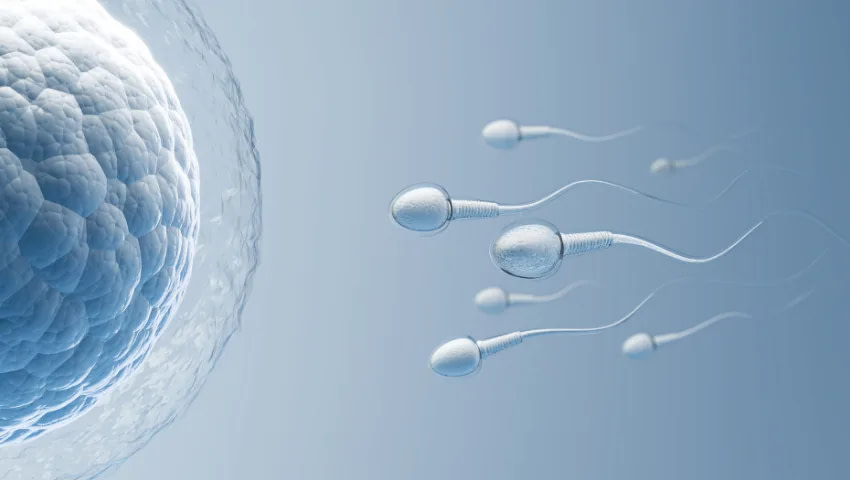
Can red light therapy improve male fertility? Laboratory studies show red light increases sperm swimming speed when applied to collected samples, but no clinical trials have tested whether treating men improves pregnancy rates.
A 2023 study in Revista Internacional de Andrología tested red light (650 nm) on sperm samples from 20 men with poor motility. Exposing collected samples to red light for 30 to 60 minutes increased progressive sperm motility significantly compared to unexposed samples.
A 2024 study in Photochemical and Photobiological Sciences examined 30 human semen samples with impaired motility. Red light (650 nm) and near infrared (980 nm) both improved sperm swimming speed in laboratory dishes.
Red light energizes mitochondria in sperm tails, boosting cellular energy needed for swimming. The treatment increases progressive motility, the forward motion critical for fertilization.
All studies expose collected sperm to light in laboratory dishes. No clinical trials have treated men and measured whether this improves pregnancy rates, live births, or conception success. Laboratory improvements in swimming speed do not guarantee real world fertility benefits.
Red Light Therapy Benefits – #21
Increases Testosterone

Can red light therapy increase testosterone levels? No scientific studies have tested this claim. Despite widespread marketing, there is zero published research measuring hormone changes after red light treatment.
A search of medical literature found no clinical trials, case studies, or preliminary research examining red light therapy’s effects on testosterone production. While studies exist showing red light improves sperm swimming speed in laboratory samples, none measured testosterone or other hormones.
The claim appears based on theoretical reasoning. Since red light energizes mitochondria in cells, and testosterone producing cells have mitochondria, proponents speculate the treatment might boost hormone production. This logical leap has never been tested.
The complete absence of research is striking. No studies in humans, animals, or laboratory experiments on testosterone producing cells. Nothing measuring testosterone before and after red light exposure. Nothing comparing treated and untreated groups.
This lack of evidence contrasts sharply with other red light therapy claims that at least have preliminary animal studies or small human trials. For testosterone, the research simply does not exist. Claims about testosterone boosting are pure speculation unsupported by any scientific investigation.
Scientific Evidence
Red Light Therapy Benefits – #1: Increases Blood Flow
- Wunsch, A., & Matuschka, K. (2014). A controlled trial to determine the efficacy of red and near-infrared light treatment in patient satisfaction, reduction of fine lines, wrinkles, skin roughness, and intradermal collagen density increase. Photomedicine and laser surgery, 32(2), 93–100.
https://doi.org/10.1089/pho.2013.3616 - Couturaud, V., Le Fur, M., Pelletier, M., & Granotier, F. (2023). Reverse skin aging signs by red light photobiomodulation. Skin research and technology : official journal of International Society for Bioengineering and the Skin (ISBS) [and] International Society for Digital Imaging of Skin (ISDIS) [and] International Society for Skin Imaging (ISSI), 29(7), e13391.
https://doi.org/10.1111/srt.13391 - Graeme Ewan Glass, Photobiomodulation: A Systematic Review of the Oncologic Safety of Low-Level Light Therapy for Aesthetic Skin Rejuvenation, Aesthetic Surgery Journal, Volume 43, Issue 5, May 2023, Pages NP357–NP371.
https://doi.org/10.1093/asj/sjad018
Red Light Therapy Benefits – #2: Helps with Wound Healing
- Kuppa, S. S., Kang, J. Y., Kim, J. Y., Sa, G., Park, J. H., Kim, J. H., Ha, T. S., Seon, J. K., Kim, H. K., & Lee, J. B. (2025). Red-light LED therapy promotes wound regeneration by upregulating COL1A1, COL2A1, VEGF and reducing IL-1β for anti-inflammation. Lasers in medical science, 40(1), 171.
https://doi.org/10.1007/s10103-025-04432-9 - Kaviani, A., Djavid, G. E., Ataie-Fashtami, L., Fateh, M., Ghodsi, M., Salami, M., Zand, N., Kashef, N., & Larijani, B. (2011). A randomized clinical trial on the effect of low-level laser therapy on chronic diabetic foot wound healing: a preliminary report. Photomedicine and laser surgery, 29(2), 109–114.
https://doi.org/10.1089/pho.2009.2680 - da Rocha, R. B., Araújo, D. D., Machado, F. D. S., Cardoso, V. S., Araújo, A. J., & Marinho-Filho, J. D. B. (2024). The role of light emitting diode in wound healing: A systematic review of experimental studies. Cell biochemistry and function, 42(5), e4086.
https://doi.org/10.1002/cbf.4086
Red Light Therapy Benefits – #3: Helps with Pain & Inflammation
- Oliveira, S., Andrade, R., Valente, C., Espregueira-Mendes, J., Silva, F. S., Hinckel, B. B., Carvalho, Ó., & Leal, A. (2024). Effectiveness of Photobiomodulation in Reducing Pain and Disability in Patients With Knee Osteoarthritis: A Systematic Review With Meta-Analysis. Physical therapy, 104(8), pzae073.
https://doi.org/10.1093/ptj/pzae073 - Ferlito, J. V., Silva, C. F., Almeida, J. C., da Silva Lopes, I. A., da Silva Almeida, R., Leal-Junior, E. C. P., & De Marchi, T. (2023). Effects of photobiomodulation therapy (PBMT) on the management of pain intensity and disability in plantar fasciitis: systematic review and meta-analysis. Lasers in medical science, 38(1), 163.
https://doi.org/10.1007/s10103-023-03823-0 - Feldman, P. R., Gentile, P., Piwko, C., Motswaledi, H. M., Gorun, S., Pesachov, J., Markel, M., Silver, M. I., Brenkel, M., Feldman, O. J., Kamen, C. L., Uleryk, E., Guevara-Aguirre, J., & Fiebig, K. M. (2023). Hair regrowth treatment efficacy and resistance in androgenetic alopecia: A systematic review and continuous Bayesian network meta-analysis. Frontiers in medicine, 9, 998623.
https://doi.org/10.3389/fmed.2022.998623 - Qiu, J., Yi, Y., Jiang, L., Miao, Y., Jia, J., Zou, J., & Hu, Z. (2022). Efficacy assessment for low-level laser therapy in the treatment of androgenetic alopecia: a real-world study on 1383 patients. Lasers in medical science, 37(6), 2589–2594.
https://doi.org/10.1007/s10103-022-03520-4
Red Light Therapy Benefits – #4: Helps with Hair Loss & Growth
- Perez, Sofia M. BS; Vattigunta, Mounika BS; Kelly, Colin BS; Eber, Ariel MD*. Low-Level Laser and LED Therapy in Alopecia: A Systematic Review and Meta-Analysis. Dermatologic Surgery 51(2):p 179-183, February 2025.
DOI: 10.1097/DSS.0000000000004442 - Gupta, A. K., Bamimore, M. A., & Foley, K. A. (2022). Efficacy of non-surgical treatments for androgenetic alopecia in men and women: a systematic review with network meta-analyses, and an assessment of evidence quality. Journal of Dermatological Treatment, 33(1), 62–72.
https://doi.org/10.1080/09546634.2020.1749547 - Hamblin M. R. (2017). Mechanisms and applications of the anti-inflammatory effects of photobiomodulation. AIMS biophysics, 4(3), 337–361.
https://doi.org/10.3934/biophy.2017.3.337 - Yousefi-Nooraie, R., Schonstein, E., Heidari, K., Rashidian, A., Pennick, V., Akbari-Kamrani, M., Irani, S., Shakiba, B., Mortaz Hejri, S. A., Mortaz Hejri, S. O., & Jonaidi, A. (2008). Low level laser therapy for nonspecific low-back pain. Cochrane Database of Systematic Reviews, 2008(2), CD005107.
https://doi.org/10.1002/14651858.CD005107.pub4 - Avci, P., Gupta, G. K., Clark, J., Wikonkal, N., & Hamblin, M. R. (2014). Low-level laser (light) therapy (LLLT) for treatment of hair loss. Lasers in surgery and medicine, 46(2), 144–151.
https://doi.org/10.1002/lsm.22170
Red Light Therapy Benefits – #5: Helps with Muscle Recovery & Performance
- Pinto, H. D., Casalechi, H. L., de Marchi, T., Dos Santos Monteiro Machado, C., Dias, L. B., Lino, M. M. A., de Azevedo, J. B., Tomazoni, S. S., & Leal-Junior, E. C. P. (2022). Photobiomodulation Therapy Combined with a Static Magnetic Field Applied in Different Moments Enhances Performance and Accelerates Muscle Recovery in CrossFit® Athletes: A Randomized, Triple-Blind, Placebo-Controlled Crossover Trial. Oxidative medicine and cellular longevity, 2022, 9968428.
https://doi.org/10.1155/2022/9968428 - Ferraresi, C., Huang, Y. Y., & Hamblin, M. R. (2016). Photobiomodulation in human muscle tissue: an advantage in sports performance?. Journal of biophotonics, 9(11-12), 1273–1299.
https://doi.org/10.1002/jbio.201600176 - De Marchi, T., Ferlito, J. V., Ferlito, M. V., Salvador, M., & Leal-Junior, E. C. P. (2022). Can Photobiomodulation Therapy (PBMT) Minimize Exercise-Induced Oxidative Stress? A Systematic Review and Meta-Analysis. Antioxidants (Basel, Switzerland), 11(9), 1671.
https://doi.org/10.3390/antiox11091671 - Leal-Junior, E. C. P., de Oliveira, M. F. D., Joensen, J., Stausholm, M. B., Bjordal, J. M., & Tomazoni, S. S. (2020). What is the optimal time-response window for the use of photobiomodulation therapy combined with static magnetic field (PBMT-sMF) for the improvement of exercise performance and recovery, and for how long the effects last? A randomized, triple-blinded, placebo-controlled trial. BMC sports science, medicine & rehabilitation, 12, 64.
https://doi.org/10.1186/s13102-020-00214-8 - Ribeiro, B. G., Alves, A. N., Dos Santos, L. A., Cantero, T. M., Fernandes, K. P., Dias, D.daS., Bernardes, N., De Angelis, K., & Mesquita-Ferrari, R. A. (2016). Red and Infrared Low-Level Laser Therapy Prior to Injury with or without Administration after Injury Modulate Oxidative Stress during the Muscle Repair Process. PloS one, 11(4), e0153618.
https://doi.org/10.1371/journal.pone.0153618
Red Light Therapy Benefits – #6: Helps with Arthritis
- Stausholm MB, Naterstad IF, Joensen J, et al. Efficacy of low-level laser therapy on pain and disability in knee osteoarthritis: systematic review and meta-analysis of randomised placebo-controlled trials. BMJ Open 2019;9:e031142.
doi: 10.1136/bmjopen-2019-031142 - Huang, Z., Chen, J., Ma, J., Shen, B., Pei, F., & Kraus, V. B. (2015). Effectiveness of low-level laser therapy in patients with knee osteoarthritis: a systematic review and meta-analysis. Osteoarthritis and cartilage, 23(9), 1437–1444.
https://doi.org/10.1016/j.joca.2015.04.005 - Rayegani, S. M., Raeissadat, S. A., Heidari, S., & Moradi-Joo, M. (2017). Safety and Effectiveness of Low-Level Laser Therapy in Patients With Knee Osteoarthritis: A Systematic Review and Meta-analysis. Journal of lasers in medical sciences, 8(Suppl 1), S12–S19.
https://doi.org/10.15171/jlms.2017.s3 - Zhang, R., & Qu, J. (2023). The Mechanisms and Efficacy of Photobiomodulation Therapy for Arthritis: A Comprehensive Review. International Journal of Molecular Sciences, 24(18), 14293.
https://doi.org/10.3390/ijms241814293 - Zhang, R., & Qu, J. (2023). The Mechanisms and Efficacy of Photobiomodulation Therapy for Arthritis: A Comprehensive Review. International journal of molecular sciences, 24(18), 14293.
https://doi.org/10.3390/ijms241814293 - Nambi, G. Does low level laser therapy has effects on inflammatory biomarkers IL-1β, IL-6, TNF-α, and MMP-13 in osteoarthritis of rat models—a systemic review and meta-analysis. Lasers Med Sci 36, 475–484 (2021).
https://doi.org/10.1007/s10103-020-03124-w
Red Light Therapy Benefits – #7: Helps with Depression
- Cho, Y., Tural, U., & Iosifescu, D. V. (2023). Efficacy of transcranial photobiomodulation on depressive symptoms: A meta-analysis. Photobiomodulation, Photomedicine, and Laser Surgery, 41(9), 460-466.
https://doi.org/10.1089/photob.2023.0041 - Vieira, W. F., Gersten, M., Caldieraro, M. A. K., & Cassano, P. (2023). Photobiomodulation for major depressive disorder: Linking transcranial infrared light, biophotons and oxidative stress. Harvard Review of Psychiatry, 31(3), 124-141.
https://doi.org/10.1097/HRP.0000000000000363 - Ji, Q., Yan, S., Ding, J., Zeng, X., Liu, Z., Zhou, T., Wu, Z., Wei, W., Li, H., Liu, S., & Ai, S. (2024). Photobiomodulation improves depression symptoms: A systematic review and meta-analysis of randomized controlled trials. Frontiers in Psychiatry, 14, 1267415.
https://doi.org/10.3389/fpsyt.2023.1267415 - Askalsky, P., & Iosifescu, D. V. (2019). Transcranial photobiomodulation for the management of depression: Current perspectives. Neuropsychiatric Disease and Treatment, 15, 3255-3272.
https://doi.org/10.2147/NDT.S188906 - Zhang, H., Zhao, H., Zhao, M., Zhu, H., Cai, Y., Chen, Z., Peng, D., Fang, Y., Li, S., & Wang, G. (2021). Photobiomodulation therapy ameliorates glutamatergic dysfunction in mice with chronic unpredictable mild stress-induced depression. Oxidative Medicine and Cellular Longevity, 2021, 6678276.
https://doi.org/10.1155/2021/6678276
Red Light Therapy Benefits – #8: Improves Sleep Quality
- Zhao, J., Tian, Y., Nie, J., Xu, J., & Liu, D. (2012). Red light and the sleep quality and endurance performance of Chinese female basketball players. Journal of Athletic Training, 47(6), 673–678.
https://doi.org/10.4085/1062-6050-47.6.08 - Figueiro, M. G., Sahin, L., Roohan, C., Kalsher, M., Plitnick, B., & Rea, M. S. (2019). Effects of red light on sleep inertia. Nature and Science of Sleep, 11, 45–57.
https://doi.org/10.2147/NSS.S195563 - Moro, C., Valverde, A., Dole, M., Hoh Kam, J., Hamilton, C., Liebert, A., Bicknell, B., Benabid, A. L., Magistretti, P., & Mitrofanis, J. (2022). The effect of photobiomodulation on the brain during wakefulness and sleep. Frontiers in Neuroscience, 16, 942536.
https://doi.org/10.3389/fnins.2022.942536 - Mitrofanis, J., Moro, C., & Stone, J. (2022). Lights at night: does photobiomodulation improve sleep? Neural Regeneration Research, 18(3), 474–477.
https://doi.org/10.4103/1673-5374.350191 - Pan, R., Zhang, G., Deng, F., Lin, W., & Pan, J. (2023). Effects of red light on sleep and mood in healthy subjects and individuals with insomnia disorder. Frontiers in Psychiatry, 14, 1200350.
https://doi.org/10.3389/fpsyt.2023.1200350
Red Light Therapy Benefits – #9: Helps with Alzheimer’s and Parkinson’s Diseases
- Zhang, J., Yue, X., Luo, H., Jiang, W., Mei, Y., Ai, L., Gao, G., Wu, Y., Yang, H., An, J., Ding, S., Yang, X., Sun, B., Luo, W., He, R., Jia, J., Lyu, J., & Tong, Z. (2019). Illumination with 630 nm red light reduces oxidative stress and restores memory by photo-activating catalase and formaldehyde dehydrogenase in SAMP8 mice. Antioxidants & Redox Signaling, 30(11), 1432–1449.
https://doi.org/10.1089/ars.2018.7520 - Huang, N., Yao, D., Jiang, W., Wei, C., Li, M., Li, W., Mu, H., Gao, M., Ma, Z., Lyu, J., & Tong, Z. (2020). Safety and efficacy of 630-nm red light on cognitive function in older adults with mild to moderate Alzheimer’s disease: Protocol for a randomized controlled study. Frontiers in Aging Neuroscience, 12, 143.
https://doi.org/10.3389/fnagi.2020.00143 - Hipskind, S. G., Grover, F. L., Fort, T. R., Helffenstein, D., Burke, T. J., Quint, S. A., Bussiere, G., Stone, M., & Hurtado, T. (2019). Pulsed transcranial red/near-infrared light therapy using light-emitting diodes improves cerebral blood flow and cognitive function in veterans with chronic traumatic brain injury: A case series. Photobiomodulation, Photomedicine, and Laser Surgery, 37(2), 77–84.
https://doi.org/10.1089/photob.2018.4489
Red Light Therapy Benefits – #10: Helps with Acne Reduction
- Wu, Y., Deng, Y., & Huang, P. (2021). Application of red light therapy for moderate-to-severe acne vulgaris: A systematic review and meta-analysis. Journal of Cosmetic Dermatology, 20(11), 3498–3508.
https://doi.org/10.1111/jocd.14369 - Barbaric, J., Abbott, R., Posadzki, P., Car, M., Gunn, L. H., Layton, A. M., & Car, J. (2018). Light therapies for acne: abridged Cochrane systematic review including GRADE assessments. British Journal of Dermatology, 178(1), 61–75.
https://doi.org/10.1111/bjd.15495 - Kwon, H. H., Lee, J. B., Yoon, J. Y., Park, S. Y., Ryu, H. H., Park, B. M., Kim, Y. J., & Suh, D. H. (2013). The clinical and histological effect of home-use, combination blue-red LED phototherapy for mild-to-moderate acne vulgaris in Korean patients: a double-blind, randomized controlled trial. British Journal of Dermatology, 168(5), 1088–1094.
https://doi.org/10.1111/bjd.12186
Red Light Therapy Benefits – #11: Helps with Dental Health
- da Silva, R., da Silva, L., Martins, A., de Araújo, C. M., & Martins, A. (2024). Adjunctive photobiomodulation to Basic Periodontal therapy using different low-power laser application techniques: a systematic review and meta-analysis. Lasers in Medical Science, 39(1), 207.
https://doi.org/10.1007/s10103-024-04148-2 - Zhao, H., Hu, J., & Zhao, L. (2021). The effect of low-level laser therapy as an adjunct to periodontal surgery in the management of postoperative pain and wound healing: a systematic review and meta-analysis. Lasers in Medical Science, 36(1), 175–187.
https://doi.org/10.1007/s10103-020-03072-5
Red Light Therapy Benefits – #12: Helps with Weigth Loss
- Wang, J., Zeng, G., Huang, J., Peng, Y., Tan, X., Wu, S., Guo, S., He, Q., Chen, R., & Zhang, Z. (2025). Effectiveness of photobiomodulation therapy in improving health indicators in obese patients: a systematic review and meta-analysis of RCTs. BMC Complementary Medicine and Therapies, 25(1), 90.
https://doi.org/10.1186/s12906-025-04874-2 - Nishioka, M. A., Brassolatti, P., Alves, A. C., Dorigatti, J. H., Chieregato, F., de Almeida, S., Farias, S. L., Meyer, P. F., & de Souza, J. R. (2025). Clinical Protocol Effects With LED Photobiomodulation for Reducing Adipose Tissue in the Abdomen Region. Journal of Cosmetic Dermatology, 24(2), e16675.
https://doi.org/10.1111/jocd.16675
Red Light Therapy Benefits – #13: Helps with Hormonal Balance
- Lee, Y. I., Lee, E., Nam, K. H., Shin, D. Y., Kim, J., Suk, J., Kwak, J. Y., & Lee, J. H. (2021). The Use of a Light-Emitting Diode Device for Neck Rejuvenation and Its Safety on Thyroid Glands. Journal of Clinical Medicine, 10(8), 1774.
https://doi.org/10.3390/jcm10081774
Red Light Therapy Benefits – #14: Helps with Hormonal Balance
- Al Balah, S., Murad, S., Matar, S., & El-Khatib, M. (2024). Immunomodulatory effects of photobiomodulation: a comprehensive review. Lasers in Medical Science, 39(1), 369.
https://doi.org/10.1007/s10103-025-04417-8 - Shamloo, A., Kumar, D., Perez, P., Braga, L., Albizu, A., Ramos, E., Figueiredo, T., Cohen, R., Zaman, V., Salman, S., Shaw, M., Longo, M., & Gonzalez-Lima, F. (2023). The anti-inflammatory effects of photobiomodulation are mediated by cytokines: Evidence from a mouse model of inflammation. Frontiers in Neuroscience, 17, 1150156.
https://doi.org/10.3389/fnins.2023.1150156
Red Light Therapy Benefits – #15: Improves Eye Health
- Robinson DG, et al. Low-Level Nighttime Light Therapy for Age-Related Macular Degeneration: A Randomized Clinical Trial. Investigative Ophthalmology & Visual Science. 2018.
https://doi.org/10.1167/iovs.18-24284 - Xu Y, et al. Repeated Low-Level Red Light Therapy for Myopia Control in High Myopia Children and Adolescents: A Randomized Clinical Trial. Ophthalmology. 2024.
https://doi.org/10.1016/j.ophtha.2024.05.023
Red Light Therapy Benefits – #16: Reduces Fine Lines
- Wunsch A, Matuschka K. A Controlled Trial to Determine the Efficacy of Red and Near-Infrared Light Treatment in Patient Satisfaction, Reduction of Fine Lines, Wrinkles, Skin Roughness, and Intradermal Collagen Density Increase. Photomedicine and Laser Surgery. 2014.
https://doi.org/10.1089/pho.2013.3616 - Couturaud V, et al. Reverse skin aging signs by red light photobiomodulation. Skin Research and Technology. 2023.
https://doi.org/10.1111/srt.13391
Red Light Therapy Benefits – #17: Increases Collagen Production
- Wunsch A, Matuschka K. A Controlled Trial to Determine the Efficacy of Red and Near-Infrared Light Treatment in Patient Satisfaction, Reduction of Fine Lines, Wrinkles, Skin Roughness, and Intradermal Collagen Density Increase. Photomedicine and Laser Surgery. 2014.
https://doi.org/10.1089/pho.2013.3616 - Kim HK, et al. Red light of 660 nm modulates gene expression in human skin. Scientific Reports. 2017.
https://doi.org/10.1038/srep42628
Red Light Therapy Benefits – #18: Increases Blood Flow
- Lohr NL, et al. Enhancement of Nitric Oxide Release from Nitrosyl Hemoglobin and Nitrosylated Myoglobin by Red/Near Infrared Radiation. Photobiomodulation, Photomedicine, and Laser Surgery. 2019.
https://doi.org/10.1089/photob.2018.4489 - Xiong R, et al. The Short-Term Changes in Macular Vascular Density of Healthy Children after Repeated Low-Level Red-Light Therapy. Ophthalmic Research. 2023.
https://doi.org/10.1159/000527787
Red Light Therapy Benefits – #19: Helps Healing Bone Fractures
- Berni M, et al. The Role of Low-Level Laser Therapy in Bone Healing: Systematic Review. International Journal of Molecular Sciences. 2023.
https://doi.org/10.3390/ijms24087094
Red Light Therapy Benefits – #20: Enhances Fertility
- Saylan A, et al. Effects of photobiomodulation therapy on human sperm function. Revista Internacional de Andrología. 2023.
https://doi.org/10.1016/j.androl.2022.04.001 - Ahmed R, et al. Improving human sperm motility via red and near-infrared laser irradiation: in-vitro study. Photochemical and Photobiological Sciences. 2024.
https://doi.org/10.1007/s43630-023-00525-y

ABOUT THE AUTHOR
Marco Gentile
Marco Gentile (CHC, CMT, CTP, CETS) is a seasoned wellness professional with over 10 years of experience using red light therapy to help clients achieve optimal health and longevity. Currently, he works at the Burke Williams Spa – Health, Wellness & Fitness Center in L.A., where he continues to inspire and support individuals on their wellness journeys.
Related Articles

The Best Red-Light Therapy Hats of 2026. Complete Buyer’s Guide

The Best Red-Light Therapy Neck Devices of 2026. Complete Buyer’s Guide

The Best Red-Light Therapy Mats of 2026. Complete Buyer’s Guide

The Best Red-Light Therapy Masks for Skin Care of 2026. Complete Buyer’s Guide

The Best Red-Light Therapy Wands & Torches of 2026. Complete Buyer’s Guide

The Best Red-Light Therapy Belts of 2026. Complete Buyer’s Guide
