The Best PEMF Mats of 2026. In-Depth Analysis & Research

Marco Gentile Author Box

Marco Gentile, CHC, CMT, CTP, CETS · Spa Director at Burke Williams, Los Angeles
Why trust this review

What are the best PEMF Mats of 2026?

The Celler8 Full-Body Mat is the best PEMF mat of 2026

#1 BEST OVERALL

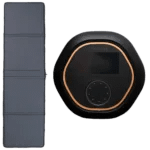
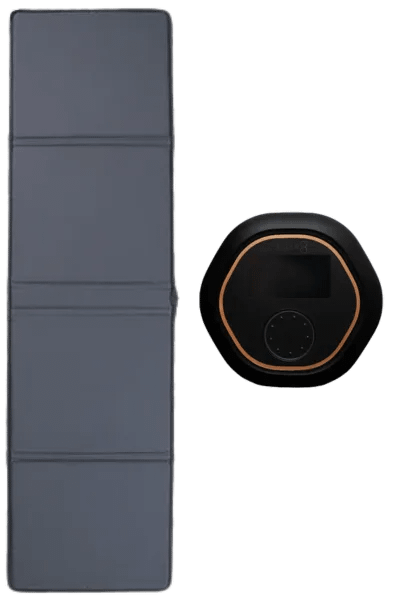
Celler8 Wearable Control Unit

Celler8 Full-Body Mat

This is the best PEMF mat because of its technology, functions and versatility

Celler8 Full-Body PEMF Mat

#1 BEST VALUE FOR MONEY

Healthyline 4th gen. controller provided with the JET mat

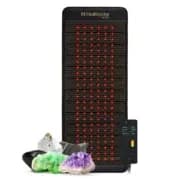
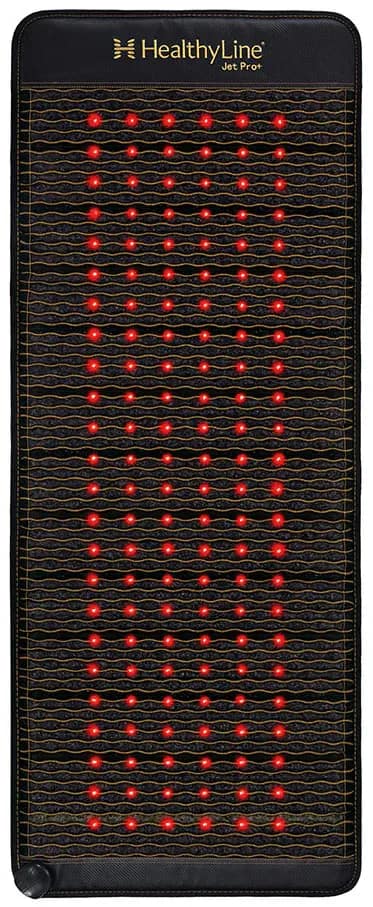
HealthyLine JET

The best value mat due to its 5 therapies, price, accessories, and warranty

Healthyline JET Mat
Marco Gentile in a room with all the best PEMF mats included in this page

How to navigate this page

18 mats • 78 PEMF Studies

Top Picks by Category

I ranked the mats by the most important priorities. Some mats appear more often because they are just better than the others. If you wanna know more about how I came up with those rankings, you can check my ranking criteria further down the page.

1ST

Best Overall

Celler8 Full-Body Mat

Celler8 Full Body Mat

$1,500 – $3,000

1-100 Hz • 50 G • PEMF Only

Why it Wins

  • Great PEMF Technology. Wide range of fully adjustable frequencies & intensities.
  • Dual Applicator. The control unit is a wearable PEMF device you can use on its own, or together with the mat to enjoy a “sandwich” effect. This makes the Celler8 the most versatile PEMF option.
  • Preset Programs. Morning, afternoon, and night programs, plus one to assit your meditation, and one that you can fully customize.

Save 5%MARCO5

Check Latest Price

2nd

Best Overall

Bemer Evo Mat

Bemer EVO Mat

$4,400 – $5,900

10/33 Hz • 0.35 Gauss • PEMF Only

Why it’s 2nd

  • Backed by Science. The BEMER is the only PEMF mat supported by scientific research. If you wanna take no guesses, then go with this one.
  • Applicators Options. You can use the mat shown here, but also connect a belt-wrap for localized treatment on joints, lower back, or any other sore area.
  • Patented Waveform. BEMER has patented their own waveform, and it’s the only one proven to increase microcirculation of the blood vessels, which is key in pain relief treatment.

Check Latest Price

3rd

Best Overall

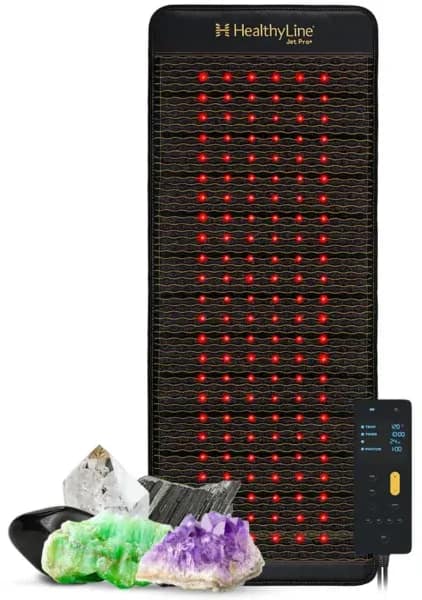
HealthyLine JET

HealthyLine JET Mat

$350 – $1,500

0.25-30 Hz • 8 Gauss • 5 Therapies

Why it’s 3rd

  • Five therapies in one. A complete multi-therapy mat with PEMF, FIR heat, red light therapy, crystals & negative ions.
  • Best Value for Money. Fair price and high quality. The pad and chair-mat options are very accessible. And the included set of accessories is unbeatable.
  • Strong Warranty & Return Policies. 5 years of coverage, 90 days for returns plus Healthyline’s trade-in & upgrade policies make it a no-regret buy.

Save 10%MarcoGentile10S

Check Latest Price

1ST

Best PEMF

Sedona Pro/Elite

Sedona PRO/ELITE PEMF Mat

$5,500 – $7,900

0.1-15000 Hz • 0.1-100 G • PEMF Only

Why It Wins

  • Widest Range of Frequencies & Intensities. Both are fully adjustable though the digital control unit.
  • 4 Waveforms. You can select sinusoidal, square, sawtooth waveforms. Plus an impulse signal.
  • Dual Applicator. The pillow can be used at the same time as the mat. They are independent, and can run different programs simultaneously.

Save 5%MGSAVE5

Check Latest Price

2nd

Best PEMF

Celler8 Full-Body Mat

Celler8 Full-Body PEMF Mat

$1,500 – $3,000

1-100 Hz • 50 G • PEMF Only

Why It’s 2nd

  • Wide Range of Frequencies & Intensities. Both are fully adjustable.
  • Dual Applicator. The control unit is a wearable PEMF device you can use on its own, or together with the mat for a “sandwich” effect. The Celler8 is the most versatile PEMF option.
  • Preset Programs. Morning, afternoon, and night programs, plus one for meditation and one that you can fully customize.

Save 5%MARCO5

Check Latest Price

3rd

Best PEMF

OmniPEMF NeoSurround

OMNIPemf NeoSurround Mat

$1,300 – $1,500

1-100 Hz • 3.8 G • PEMF Only

Why It’s 3rd

  • Room Device. A contactless PEMF device that deliver PEMF that in the whole room, and can also be used on its own. With a motion sensor and the 24h scheduler allows for 100% set-and-forget PEMF.
  • Great Functions. Whatever you want to use PEMF for, the phone app has 15 preset programs that got you covered. Plus advanced mode, which lets you build your own fully customized sessions.

Save 10%mg10

Check Latest Price

1st

Best Functions

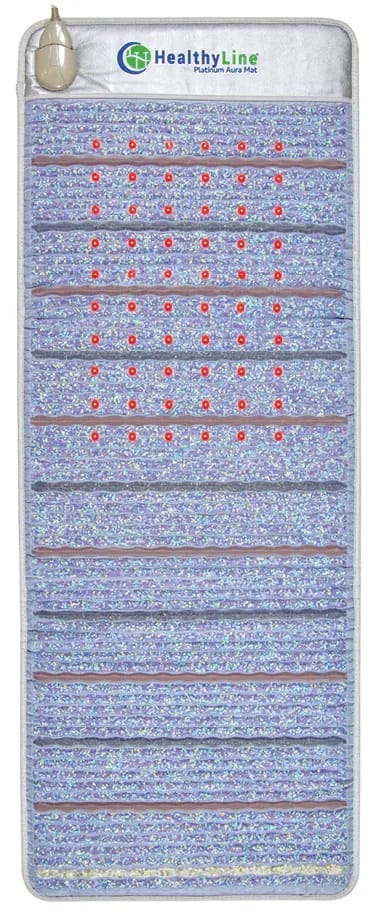
HealthyLine Platinum

Healthyline Platinum PEMF Mat

$850 – $4,500

1-30 Hz • 0.3-3 Gauss • 5 Therapies

Why it Wins

  • The Most Advanced Controller. Unlimited customization of your therapy sessions. Plus, they also give you a basic controller.
  • Waveform Selection. Switch between sinusoidal or square waveform at any time.
  • 12 Preset Programs. Each has 4 subprograms, all fully customizable.

Save 10%MarcoGentile10S

Check Latest Price

2nd

Best Functions

OmniPEMF NeoSurround

OMNIPemf NeoSurround Mat

$1,300 – $1,500

1-100 Hz • 3.8 G • PEMF Only

Why It’s 2nd

  • Phone App. Full control over sessions and complete customization.
  • Room Device. PIR Sensor & 24h Scheduler for 100% set-and-forget PEMF.
  • 15 Preset Programs. Plus advanced mode, which lets you build your own customized therapy treatment.

Save 10%mg10

Check Latest Price

3rd

Best Functions

Celler8 Full-Body Mat

Celler8 Full-Body PEMF Mat

$1,500 – $3,000

1-100 Hz • 50 G • PEMF Only

Why It’s 3rd

  • Total Control Over Two Devices. Both the mat and the wearable control unit allow you to fully regulate the frequency and intensity of your treatment sessions.
  • Preset Programs. Morning, afternoon, and night programs, plus one for meditation and one that you can fully customize.

Save 5%MARCO5

Check Latest Price

1st

Best Value

HealthyLine JET

HealthyLine JET Mat

$350 – $1,500

0.25-30 Hz • 8 Gauss • 5 Therapies

Why it Wins

  • Five therapies in one. PEMF, FIR heat, red light therapy, crystals & negative ions. All in one mat.
  • Fair Price & Many Options. Pad, chair-mat & full body. The smaller sizes are very gentle on your wallet.
  • Strong Warranty & Return Policies. 5 years of coverage, plus Healthyline’s trade-in & upgrade policies make it a no-regret buy.

Save 10%MarcoGentile10S

Check Latest Price

2nd

Best Value

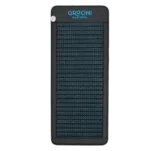
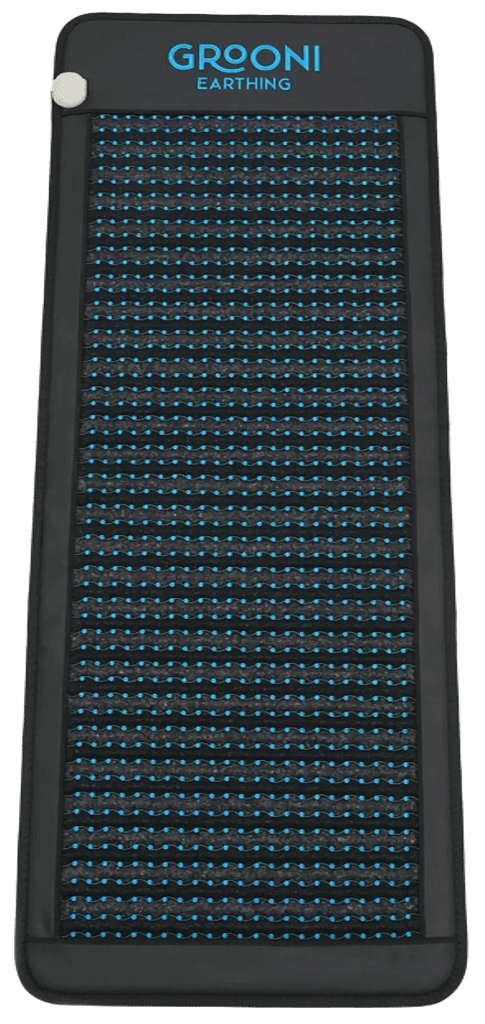
Grooni PEMF Mat Pro

Grooni PEMF  Infrared Mat Pro

$300 – $900

1-100 Hz • 3.5 Gauss • 4 Therapies

Why it’s 2nd

  • Competitive Price. An all-rounder, complete mat with an accessible entry price.
  • Complete set of Accessories. Comes with a branded bag and a cotton cover, which is not a given at this price point.
  • Functions. The digital controller lets you adjust everything about your session. There are plenty of preset programs too, covering whatever you want to use PEMF for.

Save 10%MG10

Check Latest Price

3rd

Best Value

Celler8 Full-Body Mat

Celler8 Full-Body PEMF Mat

$1,500 – $3,000

1-100 Hz • 50 G • PEMF Only

Why it’s 3rd

  • Great PEMF Technology. Wide range of fully adjustable frequencies & intensities.
  • Dual Applicator. The control unit is a wearable PEMF device you can use on its own or with the mat for a “sandwich” effect. The most versatile PEMF option.
  • Preset Programs. Morning, afternoon, and night programs, plus one for meditation and one you can fully customize.

Save 5%MARCO5

Check Latest Price

1st

Best Price

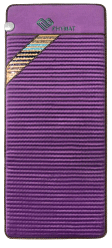
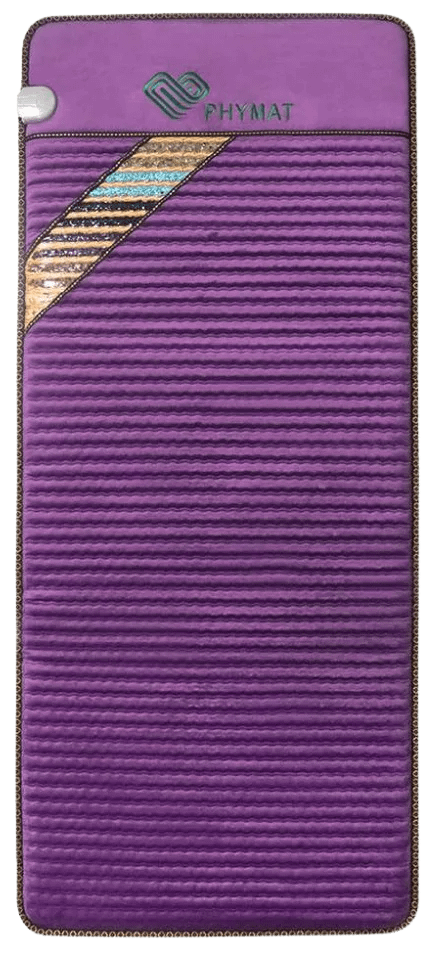
Phymat Gemstones

Phymat Gemstones Mat

$300 – $400

50 Hz • 0.2 Gauss • 4 Therapies

Why it Wins

  • Lowest Price. No other full body PEMF mat can match the price.
  • Great Value for Little Money. The PEMF technology is basic, as the functions, but you can’t really complain at this price. You get PEMF, FIR, and 5 types gemstones. Plus a cover and a bag, all included.

Save 10%MG10

Check Latest Price

2nd

Best Price

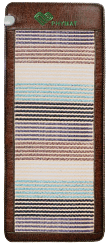
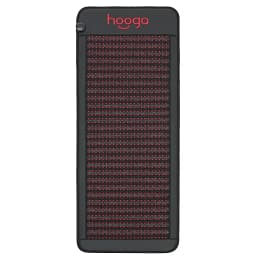
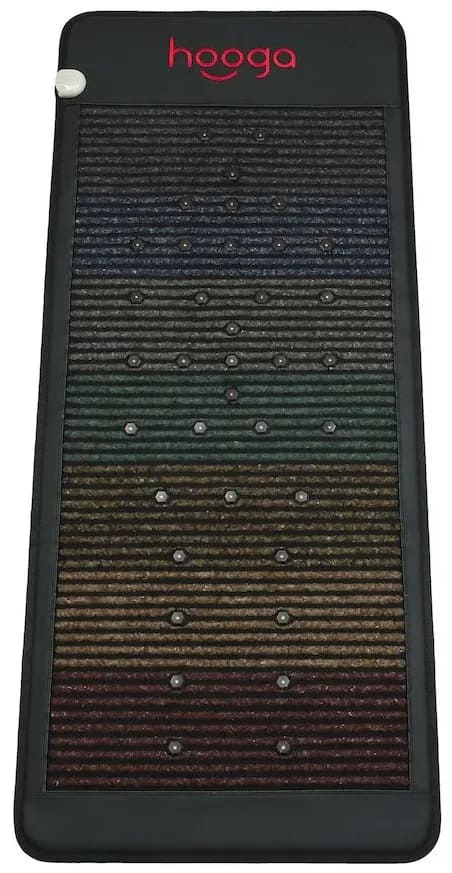
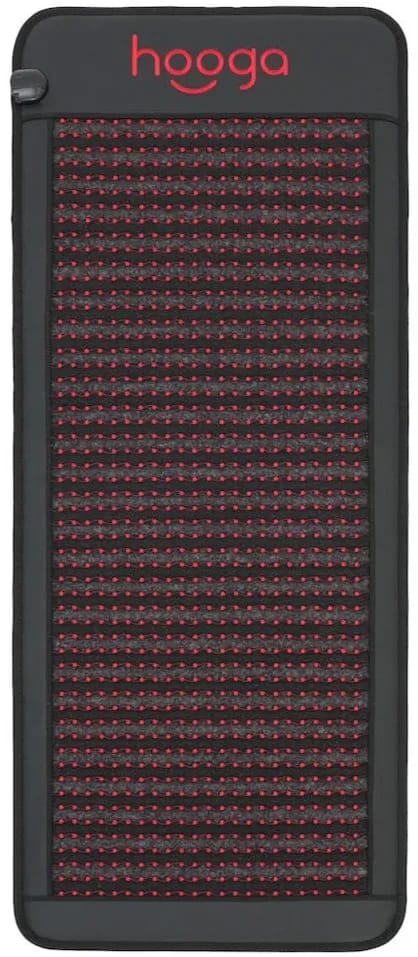
Hooga PEMF Mat

Hooga PEMF Mat

$300 – $750

1-50 Hz • 10 G • 4 Therapies

Wht it’s 2nd

  • Complete Package. There’s no red light therapy, but the other mats in this price rangle also lack it. But you get PEMF, FIR, and everything else, for a very small fee.
  • Biggest Discount. 12% is the biggest discount that you can get on any mat on this page.

SAVE 12%Discount is auto-applied

Check Latest Price

3rd

Best Price

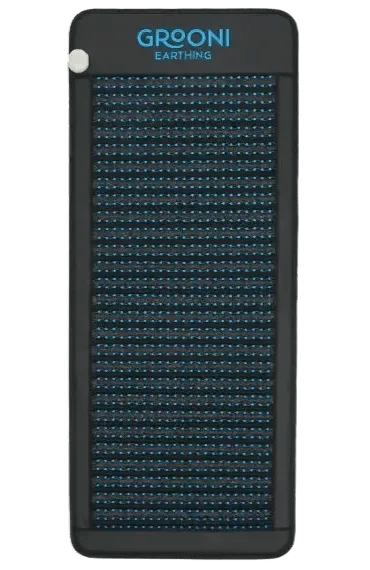
Grooni PEMF Mat Pro

Grooni Wellness PEMF Infrared Mat Pro

$300 – $900

1-100 Hz • 3.5 Gauss • 4 Therapies

Why it’s 3rd

  • Competitive Price. An all-rounder, complete mat with an accessible entry price.
  • Accessories. Comes with a carry bag and a cover, which is not a given at this price.
  • Functions. The controller lets you fully customize your session. There are many preset programs, covering all treatments.

Save 10%MG10

Check Latest Price

1st

Best for Pain

Bemer Evo Mat

Bemer EVO Mat

$4,400 – $5,900

10/33 Hz • 0.35 Gauss • PEMF Only

Why it Wins

  • Backed by Science. The BEMER is the only PEMF mat supported by scientific research. If you wanna take no guesses, then go with this one.
  • Applicators Options. You can use the mat shown here, but also connect a belt-wrap for localized treatment on joints, lower back, or any other sore area.
  • Patented Waveform. The BEMER’s patented waveform is the only one proven to increase microcirculation of the blood vessels, which is key in pain relief treatment.

Check Latest Price

2nd

Best for Pain

HealthyLine JET

HealthyLine JET Mat

$350 – $1,500

0.25-30 Hz • 8 Gauss • 5 Therapies

Why it’s 2nd

  • Far Infrared Heat. This is a multi-therapy mat, and FIR therapy is proven to work for pain relief. And the scientific evidence is even biggers than PEMF’s.
  • Chair-mat Option. If your back pain is caused by long hours spent as the desk, the chair-mat might be a game-changer for your back pain.
  • Strong Warranty & Return Policies. 5 years of coverage, plus Healthyline’s trade-in & upgrade policies make it a no-regret buy.

Save 10%MarcoGentile10S

Check Latest Price

3rd

Best for Pain

Grooni PEMF 4 in 1

Grooni PEMF 4in1 Mat

$1,100 – $1,300

1-100 Hz • 3.5 Gauss • 5 Therapies

Why it’s 3rd

  • Dedicated Pain Relief Programs. The relief group covers pain modulation, inflammation support and active recovery, all sitting in the 30 to 100 Hz band.
  • 5 Therapies. Fir heat and red light therapy work together with PEMF to support pain relief and lower inflammation.
  • Accessories. Carry bag and cotton cover.
  • Functions. The digital controller lets you adjust everything about your session.

Save 10%MG10

Check Latest Price

1st

Best Sleep

Bemer Evo Mat

Bemer EVO Mat

$4,400 – $5,900

10/33 Hz • 0.35 Gauss • PEMF Only

Why it Wins

  • Dedicated Sleep Mode. The only mat with a genuine overnight system. You set a wake-up time and it runs two hours from start, drops to standby, then resumes for two hours before you wake. Intensity is fixed at 0.07 G and cannot be changed.
  • Backed by Science. The BEMER is the only PEMF mat supported by scientific research. If you wanna take no guesses, then go with this one.

Check Latest Price

2nd

Best Relax

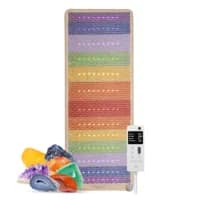
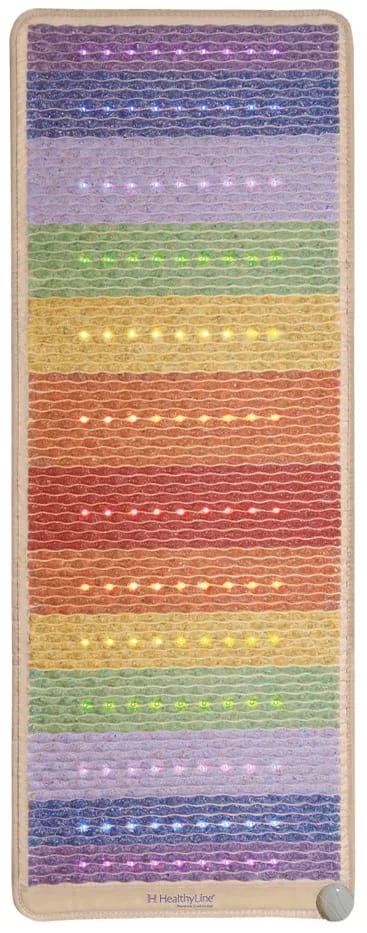
HealthyLine Rainbow

Healthyline Rainbow Chakra Mat

$700 – $1,800

0.25-30 Hz • 12 Gauss • 6 Therapies

Why it’s 2nd

  • Chakra Alignment. Great mat for meditators and for those into spiritual wellness. Calling it a relaxation mat is an understatement, because it goes well beyond that.
  • Sleep Program. 3 Hz at 100°F with a 12h timer, so it’s set for a full night. PEMF runs 20 min on, 100 off across the night.
  • Strong Warranty & Return Policies.

Save 10%MarcoGentile10S

Check Latest Price

3rd

Best Sleep

Celler8 Full-Body Mat

Celler8 Full-Body PEMF Mat

$1,500 – $3,000

1-100 Hz • 50 G • PEMF Only

Why it’s 3rd

  • Night Program. Frequency cycles 4 Hz down to 1 Hz over ten minutes and repeats. Usable up to 12 hours. Lights dim and sound is disabled specifically so the end of the program doesn’t wake you.
  • Wide Range of Frequencies & Intensities.
  • Dual Applicator. The control unit is a PEMF device you can wear on its own.

Save 5%MARCO5

Check Latest Price

Full PEMF Mats Comparison

CELLER8 FULL BODY MAT

#1 Best OVERALL

Price range1,500$ to 3,000$

Therapies

  • PEMF Therapy

Size Options

SizeInchesLbs
Full-Body Mat66.5×197.7
Chair-Mat 32×193.8
Pad 19×161.9
SizeCmKg
Full-Body Mat169×493.5
Chair-Mat 81.5×491.7
Pad 49×410.9

Control Unit

Celler8 Wearable Control Unit

DUAL APPLICATOR
It powers the mat and controls the settings, but it’s also a wearable PEMF device you can use on its own, or with the mat, at the same time, for a “SANDWICH” effect!

PEMF Technology

Frequency
  • 1 – 100 Hz
  • 4 preset programs
  • Full Frequency Control
Intensity
  • 1 – 50 Gauss (Mat)
  • 1 – 100 Gauss (Unit)
  • 12 PEMF Coils
  • Full Intensity Control
Waveform
  • Square

Accessories

Offer

Save 5% MARCO5

Check Latest Price

  HSA/FSA Payment: Available

Returns & Warranty

  • 30 Days Return Policy
  • 2 Year Warranty 
  • CONTROL UNIT: 3 YEARS

My Verdict

4.8 / 5

The CELLER8 is an incredible device and my personal favorite. Not only do you get a high-quality PEMF mat, with one of best PEMF tech out there, but you also get an amazing wearable device that works wonders on its own and can be used together with the mat. The functions are nearly unbeatable, and the accessory set is also top-notch. Sure, it’s not the cheapest mat, but you’re definitely getting great value for what you pay. I’m all in, and I highly recommend it.

HealthyLine JET

#1 Best Value for Money

Price range350$ to 1,500$

Therapies

  • PEMF
  • RED LIGHT THERAPY 132 LEDs
  • Far Infrared Heatup to 158F
  • CRYSTAL HEALING
  • NEGATIVE IONS3000cc

Size Options

SizeInchesLbs
Full-Body (XL)74×2831
Full-Body (L)72×2426
Full-Body (M)60×2422
Chair-Mat 40×1810
Minimat 40×2415
Pad 20×207
SizeCmKg
Full-Body (XL)188×7114
Full-Body (L)183×6111.8
Full-Body (M)152×6110
Chair-Mat 102×464.5
Minimat 102×616.8
Pad 51×513.2

Accessories

  • Sauna Foil BlanketVIEW
  • Black Carry BagView
  • Cotton CoverView
  • Waterproof CoverView

PEMF Technology

Frequency
  • 0.25 – 30 Hz
Intensity
  • 8 Gauss
  • 6 PEMF Coils
  • Fixed Intensity
Waveform
  • Sinusoidal

Controller

Healthyline 4th gen. controller provided with the JET mat

Offer

Save 10% MarcoGentile10S

Check Latest Price

  HSA/FSA Payment: Available

Returns & Warranty

My Verdict

4.6 / 5

The JET model deserves one of the best spots among the PEMF mats available on the market. It’s a true all-rounder. Really great across the board, even if it doesn’t totally excel in any single category. What really makes it stand out is the sheer number of features and the several therapies you get for the price. Add in HealthyLine’s unbeatable accessory set and one of the industry’s best warranty, and you’ve got a mat that gives you all you need without breaking the bank. The value for money of the JET is rally hard to beat.

Bemer Evo Mat

#1 Best for Pain Relief

Price range4,400$ to 5,900$

Therapies

  • PEMF Therapy

Size & WeighT

SizeInchesLbs
Full-Body Mat60×234.2
SizeCmKg
Full-Body Mat152×591.9

Control Unit

Bemer EVO PEMF mat digital control unit
  • Touchscreen Display
  • 6 Presets Programs
  • 2 outputs for applicators
  • Music & audio
  • Battery Included

PEMF Technology

Frequency
  • 10/33 Hz
Intensity
  • 0.1 – 0.35 Gauss
  • 16 PEMF Coils
  • 0.5G with “+ signal”
  • 10 Intensity Settings
Waveform
  • Proprietary
  • Bemer patented waveform

Accessories

  • Control Unit BagView
  • Controller StandView
  • No Carry Bag
  • No Mat Cover

Check Latest Price

  HSA/FSA Payment: Available

Returns & Warranty

  • 30 Days Return Policy (Terms)
  • 10% Restocking Fee
  • 3 Year Warranty (Terms)

My Verdict

4.5 / 5

There’s a reason why PEMF therapy, when done with this device, is called BEMER therapy. The BEMER mat has the widest scientific research to back it up. It’s a low-intensity device, and everything about it has been tested, studied, and proven to work. They even patented their own waveform, based on trial findings. The control unit is a full touchscreen computer, and can even play your favorite music. You can attach two outputs, and the mat you see here is just one of the options. The only drawback is that science comes with a price.

Check Latest Price at Bemer

Read Full Review

OmniPemf NeoSurround

#1 Best Home System

Price range1,300$ to 1,500$

Therapies

  • PEMF Therapy
  • Ambience PEMF

Size & WeighT

SizeInchesLbs
Full-Body Mat67×251.1
SizeCmKg
Full-Body Mat170×640.5

Control Unit

NeoSurround smart PEMF system, front view of the device

NEOSURROUND ROOM DEVICE
It powers the mat, but it’s also a CONTACTLESS PEMF device that delivers PEMF therapy in the room. Cannot be used at the same time as the mat.

PEMF Technology

Frequency
  • 1 – 100 Hz
  • 15 preset programs
  • FUll Frequency control
  • FUll intensity control
Intensity
  • 0.1 – 3.8 Gauss (Mat)
  • 0.1 – 1280 Gauss
    (Room Device)
  • Sensor & Scheduler
Waveform
  • Trapezoidal

Accessories

  • Mat BagVIEW
  • Control Unit BagView
  • No Mat Cover

Offer

Save 10% mg10

Check Latest Price

  HSA/FSA Payment: Available

Returns & Warranty

  • 60 Days Return Policy (Terms)
  • Recycling Policy(What is it?)
  • 2 Year Warranty (Terms)
  • Covers Mat + Room Device

My Verdict

4.3 / 5

The OmniPEMF NeoSurround Mat hands you far more than other mats. The mat for deep full-body sessions, plus the room/ambience device with its high-intensity coil, a motion sensor that activates when you walk in the room, and the scheduler that runs your day for you. Everything is controlled from the same phone app, where you have 15 programs and full control over the session. If you want PEMF system that covers the whole day, both in the room and on your body, get this one and don’t look back.

Therapies

  • PEMF
  • Far Infrared Heatup to 158F
  • CRYSTAL HEALING
  • NEGATIVE IONS

Size Options

SizeInchesLbs
Full-Body73×2922
Chair-Mat 40×208.3
Pad 20×204.1
SizeCmKg
Full-Body185×7410
Chair-Mat 102×513.8
Pad 51×511.9

Accessories

  • Carry BagView
  • Cotton CoverView
  • PEMF Ebook

PEMF Technology

Frequency
  • 1 – 100 Hz
Intensity
  • 0.5 – 3.5 Gauss
  • 6 or 12 PEMF Coils
Waveform
  • Sinusoidal

Controller

Grooni PEMF Mat Controller
  • 13 preset programs
  • Full Frequency COntrol

Offer

Save 10% MG10

Check Latest Price

  HSA/FSA Payment: Available

Returns & Warranty

  • 60 Days Return Policy (Terms)
  • 2 Year Warranty (Terms)

My Verdict

4 / 5

The Grooni Earthing PEMF Mat Pro is a really solid option, especially when you look at what you get for the price. The PEMF technology is at the same level, if not better, than similarly priced mats. It doesn’t include red light therapy, which could be a downside if that’s something you specifically want, but the other therapies still hold up well. On top of that, it comes with a carry bag and a protective cover, which is a nice touch and makes the overall package feel complete and well thought out.

HealthyLine Platinum

#1 Best Functions

Price range850$ to 4,500$

Therapies

  • PEMF
  • RED LIGHT THERAPY60 LEDs
  • Far Infrared Heatup to 158F
  • CRYSTAL HEALING
  • NEGATIVE IONS3000cc

Size Options

SizeInchesLbs
Aura (XL)74×2830
Full-Body (XL)74×2830
Full-Body (L)72×2427
Full-Body (M)60×2423
Chair-Mat 40×1810
MiniMat 32×2010
SizeCmKg
Aura (XL)188×7113.6
Full-Body (XL)188×7113.6
Full-Body (L)183×6112.2
Full-Body (M)152×6110.4
Chair-Mat 102×464.5
MiniMat 81×514.5

Accessories

  • Sauna Foil BlanketVIEW
  • Pink Carry BagView
  • Cotton CoverView
  • Waterproof CoverView

PEMF Technology

Frequency
  • 1 – 30 Hz
  • Full Frequency COntrol
Intensity
  • 0.3 – 3 Gauss
  • 8 PEMF Coils
  • Full Intensity COntrol
Waveform
  • Sinusoidal
  • Square

Controller

Healthyline Advanced controller provided with the Platinum mat
  • Includes Basic + Advanced Controller
  • 12 preset programs
  • (check manual )

Offer

Save 10% MarcoGentile10S

Check Latest Price

  HSA/FSA Payment: Available

Returns & Warranty

My Verdict

3.9 / 5

The HealthyLine Platinum isn’t cheap, but it offers some very unique perks. Falls a bit short when it comes to the PEMF tech, which doesn’t feel aligned with the price tag. However, the functions, the preset programs and the advanced controller are excellent. You also get a second controller, the basic one, if you prefer to have less buttons and an easier setup. The galvanized gemstones and the “amethyst aura” ones are very pretty, but they don’t add much to the therapeutic value. It’s the most unique and luxurious mat out there.

Therapies

  • PEMF
  • MULTICOLOR PHOTON LIGHT117 LEDs
  • Far Infrared Heatup to 158F
  • CRYSTAL HEAL
  • CHAKRA ALIGNMENT
  • NEGATIVE IONS700cc

Size Options

SizeInchesLbs
Full-Body74×2840
Chair-Mat 53×1817
Minimat (L) 50×2420
MiniMat (M) 40×2015
SizeCmKg
Full-Body188×7118
Chair-Mat 134×467.7
Minimat (L) 124×619
MiniMat (M) 102×516.8

Accessories

  • Sauna Foil BlanketVIEW
  • Brown Carry BagVIEW
  • Cotton CoverView
  • Waterproof CoverView

PEMF Technology

Frequency
  • 0.25 – 30 Hz
Intensity
  • 12 Gauss
  • 6 PEMF Coils
  • Fixed Intensity
Waveform
  • Sinusoidal

Controller

Healthyline Rainbow Chakra Controller

Offer

Save 10% MarcoGentile10S

Check Latest Price

  HSA/FSA Payment: Available

Returns & Warranty

My Verdict

3.8 / 5

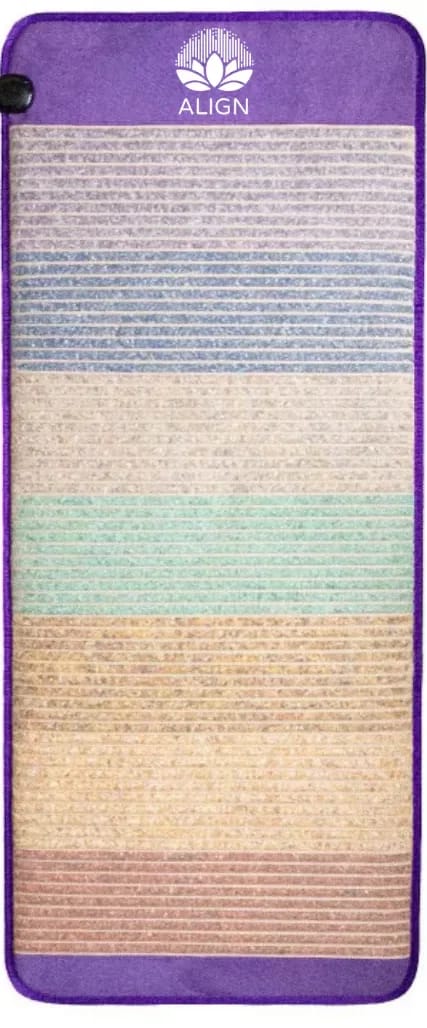
The HealthyLine Rainbow Chakra is surely the best mat you can get if you like to meditate and focus on your chakras. The possibility to align chakras during your PEMF sessions is what takes this mat to another level. The seven gemstone types and the color-matching LEDs make this mat absolutely unique. Plus, the accessories and warranty HealthyLine offers are among the best. The PEMF tech and the functions are average, so if you are after those, you might want to consider other options. This is for the spiritual-PEMF type.

Sedona Pro/Elite

#1 Best Technology

Price range5,500$ to 7,900$

Sedona Pro

Therapies

  • PEMF Therapy

Size & WeighT

SizeInchesLbs
Full-Body Mat72×247.7
SizeCmKg
Full-Body Mat183×613.5

Accessories

  • No Bag
  • No Mat Cover
  • Dual Applicator (Pillow)
Sedona Pillow Applicator in White

The dual applicator is a pillow that can be used at the same time as the mat. You can run them at different frequencies and intensities, independently.

PEMF Technology

Frequency
  • 0.1 – 15000 Hz
  • DNA Frequency (elite only)
Intensity
  • 0.3 – 100 Gauss
Waveform
  • Sinusoidal
  • Square
  • Sawtooth
  • Multi-Impulse

CONTROLLER

Sedona Pro/Elite digital control unit
  • 36 preset programs
  • Full Frequency Control
  • Full Intensity Control
  • Waveform Selection

Offer

Save 5% MGSAVE5

Check Latest Price

  HSA/FSA Payment: Not Available

Returns & Warranty

  • No Returns
  • All Sales Are Final
  • 2 Year Warranty (Terms)
  • Can be extended to lifetime for $375

My Verdict

3.8 / 5

The Sedona Elite is the most capable PEMF mat you can buy. The combination of a wide frequency range, high intensity, four waveforms, and full customization can’t be beaten. Add the dual applicator and you have a system that genuinely stands apart from the rest of the field. The price is also premium, and it’s a major drawback. There are no returns, and the warranty terms aren’t too friendly. But you’re getting a clinic-level PEMF device.

Hooga PEMF Mat

#2 Best Price

Price range300$ to 750$

Therapies

  • PEMF
  • Far Infrared Heatup to 158F
  • CRYSTAL HEALING
  • NEGATIVE IONS

Size Options

SizeInchesLbs
Full-Body73×2924
Chair-Mat 39×19.511
SizeCmKg
Full-Body185×7410.9
Chair-Mat 99×505

Accessories

  • Carry Bag
  • No Mat Cover

PEMF Technology

Frequency
  • 1 – 50 Hz
Intensity
  • 10 Gauss
  • 6 PEMF Coils
  • Fixed Intensity
Waveform
  • Not Stated

Controller

Hooga Chakra Mat Controller
  • 8 Preset Programs
  • Adjustable Frequency

Offer

Save 12%

No code, discount is auto-applied at checkout

Check Latest Price

  HSA/FSA Payment: Available

Returns & Warranty

  • 60 Days Return Policy (Terms)
  • 3 Year Warranty (Terms)

My Verdict

3.5 / 5

The Hooga PEMF Mat stands out immediately for its low price. But when you look at the spec sheet and the therapies list you realize that Hooga is up to something. This mat comes with a variety of preset programs and functions that are uncommon at this price range. It’s one of the most balanced options for budget-conscious buyers looking to explore PEMF therapy.

Grooni PEMF 4-in-1

#3 Best for Pain Relief

Price range1,100$ to 1,300$

Therapies

  • PEMF
  • RED LIGHT THERAPY36 LEDs
  • Far Infrared Heatup to 158F
  • CRYSTAL HEALING
  • NEGATIVE IONS

Size & Weight

SizeInchesLbs
Full-Body75×31.524
SizeCmKg
Full-Body190×8011

Accessories

  • Carry BagView
  • Cotton CoverView
  • PEMF Ebook

PEMF Technology

Frequency
  • 1 – 100 Hz
Intensity
  • 0.5 – 3.5 Gauss
  • 12 PEMF Coils
Waveform
  • Sinusoidal

Controller

Grooni PEMF Mat Controller
  • 13 preset programs
  • Full Frequency COntrol

Offer

Save 10% MG10

Check Latest Price

  HSA/FSA Payment: Available

Returns & Warranty

  • 60 Days Return Policy (Terms)
  • Shipping Costs Not COvered
  • 2 Year Warranty (Terms)

My Verdict

3.1 / 5

The Grooni Wellness PEMF 4 in 1 Mat is Grooni’s latest addition to their PEMF line, and it’s an all-rounder mat that checks all the boxes. The new digital controller is quite nice and functional, and their set of preset programs is very well designed. It’s quite heavy, due to the gems in it, so it fits better in a home setting or a dedicated room. But that’s how you’ll probably use the mat anyway. The price is fair.

HealthyLine TAJ Mat

#1 Most Size Options

Price range300$ to 1,350$

Therapies

  • PEMF
  • RED LIGHT THERAPY 60 LEDs
  • Far Infrared Heatup to 158F
  • CRYSTAL HEALING
  • NEGATIVE IONS1500cc

Size Options

SizeInchesLbs
Bed (King) 80×7684
Pro+ (XL)74×2827
Full-Body (L)72×2426
Full-Body (M)60×2422
Chair-Mat 40×1810
Minimat 32×2010
Pad 20×207
SizeCmKg
Bed (King) 203×19339
Pro+ (XL)188×7112.2
Full-Body (L)183×6111.8
Full-Body (M)152×6110
Chair-Mat 102×464.5
Minimat 81×514.5
Pad 51×513.2

Accessories

  • Sauna Foil BlanketVIEW
  • Brown Carry BagVIEW
  • Cotton CoverView
  • Waterproof CoverView

PEMF Technology

Frequency
  • 1 – 30 Hz
Intensity
  • 2 Gauss
  • Fixed Intensity
Waveform
  • Sinusoidal

Controller

Healthyline Basic Controller
  • Led Display
  • No Preset Programs
  • FUll Frequency COntrol
  • (check manual )

Offer

Save 10% MarcoGentile10S

Check Latest Price

  HSA/FSA Payment: Available

Returns & Warranty

My Verdict

3.1 / 5

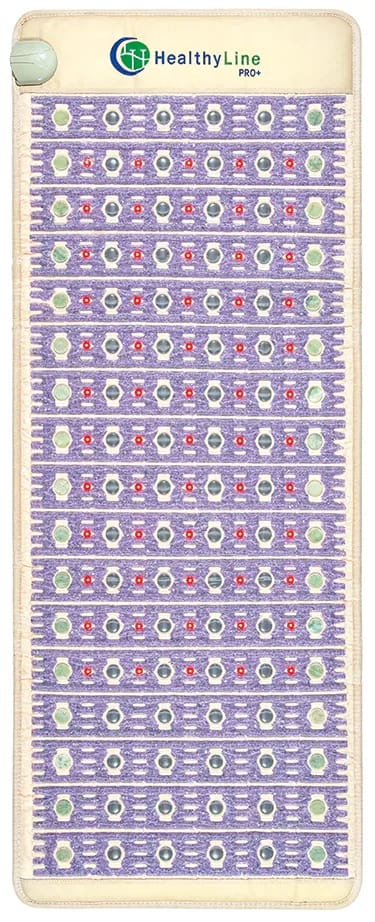
The TAJ mat is HealthyLine’s best seller for a good reason. The PEMF tech is baseline and the basic controller doesn’t have any preset programs, but you can still fully adjust the frequency. Can feel a bit restrictive to some, but the affordable price and the very wide range of therapies more than make up for it. And, of course, you still get HealthyLine’s top-tier accessory set and their very long warranty. Comes in a wide range of sizes, (from the small pad to the queen and king sized beds) and they all offer a fantastic value for money. And it also looks great, which can’t hurt.

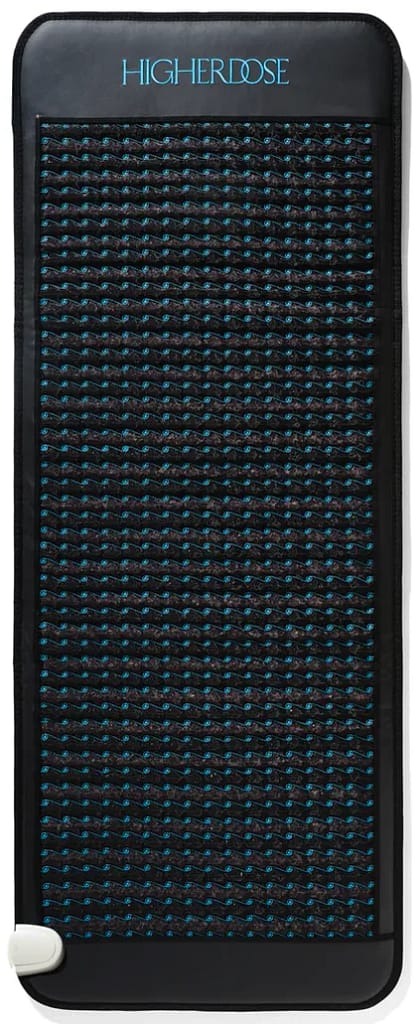
HigherDose PEMF PRO

#1 Best Return Policy

Price range900$ to 1,850$

Best PEMF Mats: HigherDose Infrared PEMF Pro Mat

Therapies

  • PEMF
  • Far Infrared Heatup to 158F
  • CRYSTAL HEALING
  • NEGATIVE IONS

Size Options

SizeInchesLbs
Full-Body73×2943
Chair-Mat 39×19.511
SizeCmKg
Full-Body185×73.519
Chair-Mat 100×505.2

Accessories

PEMF Technology

Frequency
  • 3 – 23 Hz
Intensity
  • 8 Gauss
  • 4 PEMF Coils
  • Fixed Intensity
Waveform
  • Not Stated

Controller

HigherDOSE PEMF Mat controller

Check Latest Price

  HSA/FSA Payment: Available

Returns & Warranty

  • 120 Days Return Policy (Terms)
  • Free Shipping Label Provided
  • 1 Year Warranty (Terms)

My Verdict

2.9 / 5

This is a very popular mat. HigherDOSE has built a solid reputation in the wellness industry. But this mat’s tech and features can’t compete with the best ones here. It still looks great, and it’s really well built. And there’s one thing this mat does better than any of them: the return policy. It’s free, they send you the shipping label, and the window runs a full four months.

Phymat Gemstones

#1 Best Price

Price range300$ to 400$

Phymat Gemstones PEMF Mat

Therapies

  • PEMF
  • Far Infrared Heatup to 158F
  • CRYSTAL HEALING
  • NEGATIVE IONS

Size & WeighT

SizeInchesLbs
Full-Body67×27.620.5
SizeCmKg
Full-Body170×709.3

Accessories

PEMF Technology

Frequency
  • 50 Hz
  • Fixed Frequency
Intensity
  • 0.2 Gauss
  • 4 PEMF Coils
  • Fixed Intensity
Waveform
  • Sinusoidal

Controller

Phymat Controller

Offer

Save 10% MG10

Check Latest Price

  HSA/FSA Payment: Not Available

Returns & Warranty

  • 30 Days Return Policy (Terms)
  • 2 Year Warranty (Terms)

My Verdict

2.9 / 5

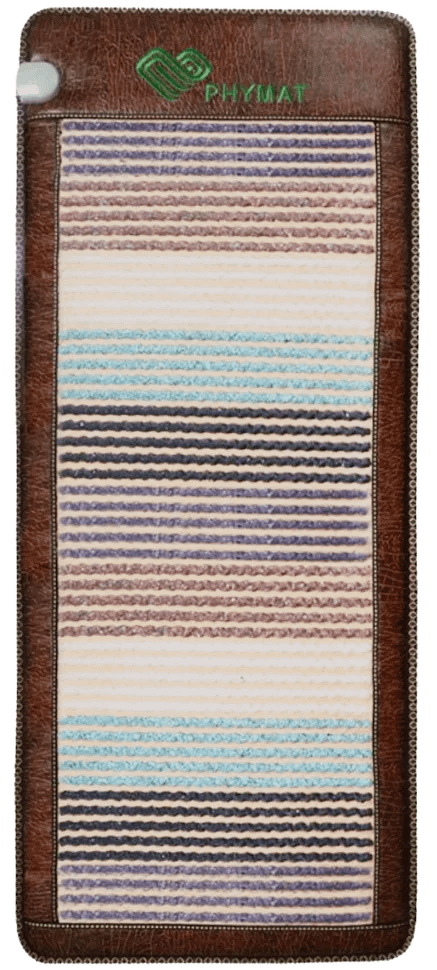
The Phymat Gemstones is the most accessible entry level choice. It lacks functions, and you can’t really customize your PEMF treatment, but the bag and cover are also included. This can be the right mat to get general wellness treatments on a low-budget.

HealthyLine Tao

Price range400$ to 1,400$

Therapies

  • PEMF
  • Far Infrared Heatup to 158F
  • CRYSTAL HEALING
  • NEGATIVE IONS1500cc

Size Options

SizeInchesLbs
Full-Body74×2826
Chair-Mat 40×189
Pad 18×185
SizeCmKg
Full-Body188×7111.7
Chair-Mat 102×464
Pad 45×452.3

Accessories

  • Sauna Foil BlanketVIEW
  • Brown Carry BagVIEW
  • Cotton CoverView
  • Waterproof CoverView

PEMF Technology

Frequency
  • 1 – 30 Hz
Intensity
  • 8 Gauss
  • Fixed Intensity
Waveform
  • Sinusoidal

Controller

Healthyline Basic Controller

Offer

Save 10% MarcoGentile10S

Check Latest Price

  HSA/FSA Payment: Available

Returns & Warranty

My Verdict

2.8 / 5

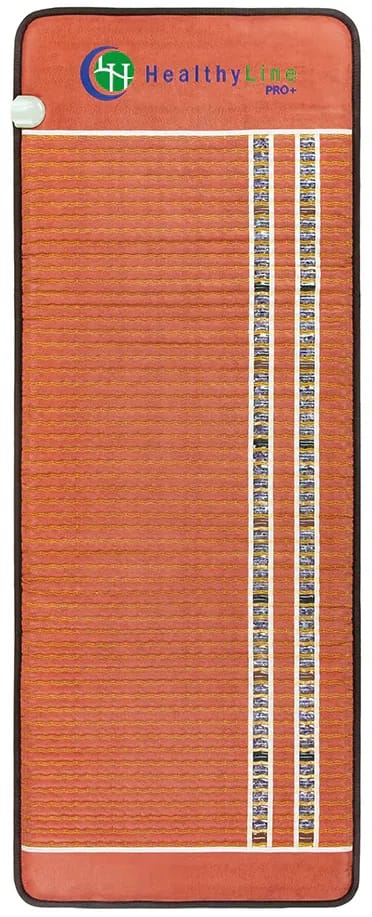
The HealthyLine TAO has one of the lowest entry prices for a PEMF mat. The PEMF technology is basic, like the controller, and there’s no red light therapy. The amount of gemstones is also quite low, as they are all placed on the two lines on the right side of the mat, but this makes it easier to carry and move than other mats with gemstones, and also more comfortable to lie on. The TAO is a solid and balanced choice for PEMF starters and wellness explorers.

Sparkle PEMF Mat

#1 Best Warranty

Price range250$ to 1,000$

Therapies

  • PEMF
  • RED LIGHT THERAPY12 LEDs
  • Far Infrared Heatup to 158F
  • CRYSTAL HEALING
  • NEGATIVE IONS1500cc

Size & Weight

SizeInchesLbs
Full-Body72×2429
MiniMat 32×2010.7
Pad20×206.7
SizeCMKG
Full-Body183×6113
MiniMat 81×514.9
Pad51×513

Accessories

PEMF Technology

Frequency
  • 1 – 45 Hz
Intensity
  • 3 Gauss
  • 6 PEMF Coils
  • Fixed Intensity
Waveform
  • N/D

Controller

Sparkle PEMF Mat controller
  • 5 preset programs

Offer

Save 5% MG5

Check Latest Price

  HSA/FSA Payment: Not Available

Returns & Warranty

  • 108 Days Return Policy (Terms)
  • 5 Year Warranty (Terms)

My Verdict

2.8 / 5

The Sparkle PEMF mat is average, and it doesn’t really excel at anything. The PEMF tech is basic, and so are the functions. But there are two upsides, and they are big. Sparkle offers a full 5-year warranty, and the best no-questions-asked policy. They also back their mat with one of the longest returns windows (108 days). This alone can be a reason to consider it. In addition to that, price-wise, their pad option is one of the most accessible PEMF device you can find.

Phymat Amethyst

#2 Best Price

Price range400$ to 500$

Phymat Amethyst PEMF mat

Therapies

  • PEMF
  • Far Infrared Heatup to 158F
  • CRYSTAL HEALING
  • NEGATIVE IONS

Size & WeighT

SizeInchesLbs
Full-Body71×31.529
SizeCmKg
Full-Body180×8013.5

Accessories

PEMF Technology

Frequency
  • 50 Hz
  • Fixed Frequency
Intensity
  • 0.2 Gauss
  • 4 PEMF Coils
  • Fixed Intensity
Waveform
  • Sinusoidal

Controller

Phymat Controller

Offer

Save 10% MG10

Check Latest Price

  HSA/FSA Payment: Not Available

Returns & Warranty

  • 30 Days Return Policy (Terms)
  • 2 Year Warranty (Terms)

My Verdict

2.5 / 5

The low price makes the Phymat Amethyst the second most accessible PEMF mat, and it has a well-defined personality: it focuses on amethyst healing. Amethyst has been believed, for centuries, to help balance the body’s energy field, and to promote calmness and sleep. If you are a believer, then it’ll probably work for you.

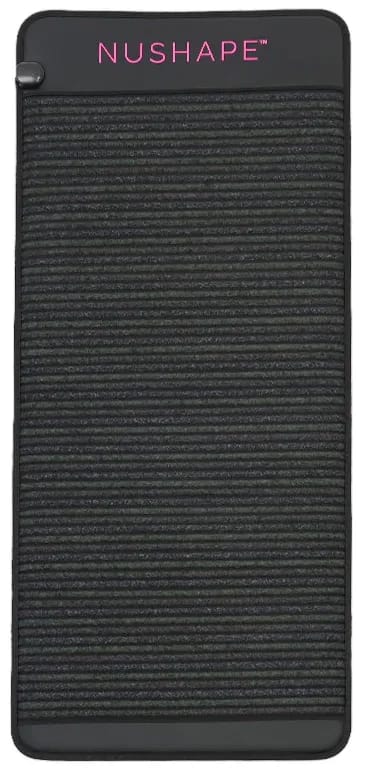
Nushape PEMF Mat

Price range1,100$ to 1,300$

Nushape PEMF Infrared Mat

Therapies

  • PEMF
  • Far Infrared Heatup to 158F
  • CRYSTAL HEALING
  • NEGATIVE IONS

Size Options

SizeInchesLbs
Full-Body75×31.5N/D
SizeCmKg
Full-Body190×80N/D

Accessories

  • No Mat Bag
  • No Mat Cover

PEMF Technology

Frequency
  • 1 – 50 Hz
Intensity
  • 70 Gauss
  • Fixed Intensity
Waveform
  • N/D

Controller

Nushape PEMF mat controller
  • 8 Preset Programs
  • Full Frequency COntrol

Offer

Save 10% MARCO94635

Check Latest Price

  HSA/FSA Payment: Not Available

Returns & Warranty

  • 30 Days Return Policy (Terms)
  • 1 Year Warranty 

My Verdict

2.4 / 5

The Nushape mat rewrites the rules by adding a graphene layer into its construction. That’s unique. But it doesn’t end there. This mat runs at 70 Gauss of intensity, which is a bit high. The issue? You can’t lower it in any way. It’s fixed. Other than that, it’s a balanced mat with 4 therapies and some decent functions. The warranty is short.

Therasage TheraPro

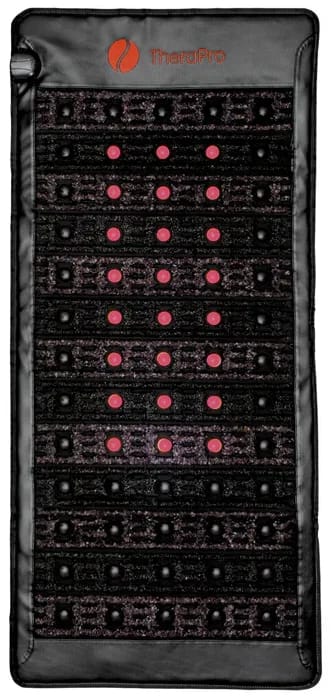
#1 Best for TENS Users

Price range550$ to 1,050$

Therapies

  • PEMF
  • TENS THERAPY
  • RED LIGHT THERAPY24 LEDs
  • Far Infrared Heatup to 158F
  • CRYSTAL HEALING
  • NEGATIVE IONS

Size Options

SizeInchesLbs
Full-Body58.5×2624
MiniMat 33.5×18.59
SizeCmKg
Full-Body148×6610.8
MiniMat 85×474

Accessories

  • TENS PadsVIEW
  • Carry BagVIEW
  • No Mat Cover

PEMF Technology

Frequency
  • 3 – 64 Hz
Intensity
  • 1100 G (Declared)
  • impossible for a sinusoidal wave on a domestic plug
Waveform
  • Sinusoidal
  • Square

Controller

Therasage TheraPro Controller

Offer

Save 10% MGSAVE

Check Latest Price

  HSA/FSA Payment: Available

Returns & Warranty

  • 30 Days Return Policy (Terms)
  • 1 Year Warranty 

My Verdict

2.1 / 5

The TheraPro is the only PEMF mat with TENS therapy. This alone can be a good reason to pick it, if you want to do both therapies at the same time. The short warranty and narrow return window are some of the downsides. Another one is the spec sheet, which is good on paper, but the declared intensity makes you raise your eyebrows. I wasn’t able to test it, unfortunately, but 1100 Gauss just isn’t possible with a sine wave on a home plug.

What criteria did I use to rank the mats?

There’s no formula behind this ranking, and no secret score. I compared the mats specs and features the way you would if you had them all in one room and enough time to try them. Some parts come down to numbers, others come down to judgment, and I used both.

The criteria are the ones in the boxes right below: the PEMF technology, the functions, the price, the other therapies, the warranty, and the return policy. 2 of them, PEMF tech and functions, get a 0 to 10 rating per mat, with a comparison table further down, so they pulled real weight in the final scores. And on price, what counted was value: what you get for what you pay matters more than the number on the tag.

You can open every one of those criteria further down the page: the PEMF specs, the functions, the therapies, the fine print of warranties and returns. Because the point of this page is not to tell you what to buy. It’s to give you the same information I used, so you can work out which mat fits you. My ranking tells you which mat came out best overall, but the best one for you depends on what you need and how much you want to spend, and only you know that.

One thing I deliberately didn’t do: rank mats against a supposed optimal frequency and intensity. Some sites do, and it looks rigorous, but no such optimal range has ever been established in the research. I went though 78 scientific studies about PEMF, and I found no “cluster” of optimal frequency and intensity. A mat gets credit here for offering a wide, adjustable range, not for landing near a target nobody has proven. If you want the full reasoning and the studies, open the faq panel right below.

Some review sites rank PEMF mats against a sweet spot: a range of frequency and intensity where the positive studies supposedly cluster, usually around 10 to 25 gauss and under 30 Hz. If a mat sits inside that range it scores points, otherwise it loses them. It sounds scientific, and I understand the appeal, because it would make my job easier too. So before building this page, I went through the research looking for that optimal range. Nobody has ever established one.

But think about what a pile of studies actually proves. Positive results at a certain setting tell you where researchers happened to test, not where the therapy works best. Imagine 50 studies at 20 gauss and 5 studies at 2 gauss, all positive. The pile at 20 gauss is 10 times taller, and it proves nothing about which setting is better. To find a best setting, you’d need studies comparing settings against each other, on the same patients. For pain, that kind of comparison has barely been attempted.

What you find instead is a scatter. I checked the back pain trials one by one, from the papers themselves, and here is the range of settings that produced results. One trial worked at 0.35 gauss, a field weaker than the Earth’s own magnetic field, using a consumer mat for 13 weeks: the treated group’s pain improved faster than the placebo group’s. Another used 20 gauss at 50 Hz and beat standard therapy alone. A third added a high-intensity clinic machine, a different technology from any home mat, to standard therapy, and the combination won again. Even a small wearable improved function in an early trial.

The strangest one ran at 27.12 megahertz, millions of times above the consumer range, with the dose set by pulse width instead of frequency. The stronger of its 2 doses did a bit better than the placebo device, though not by enough to be sure, and trimming the pulse by 4 millionths of a second seemed to lose the effect. Its authors wrote that PEMF dosing still needs to be worked out. That’s the researchers themselves saying the right settings aren’t known.

There’s one more piece, and it’s the newest. A 2026 review combined 9 knee arthritis trials, 457 patients, and split the trials into groups by field strength and by pulse speed. The pain relief showed up only in the group with weaker fields and faster pulses. That’s the opposite corner from the claimed range. The authors warn their groups were small and the finding needs extreme caution, and I agree, it can’t prove a reverse sweet spot either. But their conclusion is the sentence that matters: the differences between trials make it impossible to say which settings work best.

None of this means PEMF fails. A 2022 review of 14 clinical trials found it relieved low back pain better than a placebo. It means the relief doesn’t come with a magic number attached. So when a mat’s page tells you its 10 Hz hits the proven healing frequency, that’s decoration. Same for rankings that reward mats for sitting close to a sweet spot: no study ever drew that spot. My rankings don’t use one. The criteria I do use are on this page, and you can check every one of them. The day someone runs a real head-to-head comparison of settings, I’ll update this answer, but so far nobody has.

Sources

Alzayed, K. A., & Alsaadi, S. M. (2020). Efficacy of pulsed low-frequency magnetic field therapy on patients with chronic low back pain: A randomized double-blind placebo-controlled trial. Asian Spine Journal, 14(1), 33-42.
https://doi.org/10.31616/asj.2019.0043

Elshiwi, A. M., Hamada, H. A., Mosaad, D., Ragab, I. M. A., Koura, G. M., & Alrawaili, S. M. (2019). Effect of pulsed electromagnetic field on nonspecific low back pain patients: A randomized controlled trial. Brazilian Journal of Physical Therapy, 23(3), 244-249.
https://doi.org/10.1016/j.bjpt.2018.08.004

Krath, A., Klüter, T., Stukenberg, M., Zielhardt, P., Gollwitzer, H., Harrasser, N., Hausdorf, J., Ringeisen, M., & Gerdesmeyer, L. (2017). Electromagnetic transduction therapy in non-specific low back pain: A prospective randomised controlled trial. Journal of Orthopaedics, 14(3), 410-415.
https://doi.org/10.1016/j.jor.2017.06.016

Lisi, A. J., Scheinowitz, M., Saporito, R., & Onorato, A. (2019). A pulsed electromagnetic field therapy device for non-specific low back pain: A pilot randomized controlled trial. Pain and Therapy, 8(1), 133-140.
https://doi.org/10.1007/s40122-019-0119-z

Sorrell, R. G., Muhlenfeld, J., Moffett, J., Stevens, G., & Kesten, S. (2018). Evaluation of pulsed electromagnetic field therapy for the treatment of chronic postoperative pain following lumbar surgery: A pilot, double-blind, randomized, sham-controlled clinical trial. Journal of Pain Research, 11, 1209-1222.
https://doi.org/10.2147/JPR.S164303

Chang, Y.-S., Lin, C.-Y., & Huang, W.-C. (2026). Pulsed electromagnetic field therapy in people with knee osteoarthritis: A systematic review and meta-analysis. Medicina, 62(4), 677.
https://doi.org/10.3390/medicina62040677

Sun, X., Huang, L., Wang, L., et al. (2022). Efficacy of pulsed electromagnetic field on pain and physical function in patients with low back pain: A systematic review and meta-analysis. Clinical Rehabilitation, 36(5), 636-649.
https://doi.org/10.1177/02692155221074052

The 6 criteria I used to rank the mats

Pemf Technology

This is the most important thing I’ve used to judge and rank the mats on this page. The table below puts every mat’s spec sheet side by side, so you can see at a glance how they stack up against each other. The score on the right is my personal rating of each mat’s PEMF technology.

PEMF Mats Technology Comparison Table

The table is in alphabetical order, but you can sort it by the score and check who’s on top. To reset it, just sort by the first column.

PEMF Matclick to resetImage
click to enlarge
Frequency(Hertz)Intensity(G=Gauss)WaveformPEMF coilsDual applicatorScoreclick to sort
Bemer EvoBemer Evo Mat10/33 Hz0.1 – 0.35 GProprietary16The control unit has 2 outputs. So you can connect another applicator to it (belt, bed)8
Celler8 MatCELLER8 FULL BODY PEMF MAT1 – 100 Hz1 – 50 G (Mat)
1 – 100 G (Unit)
Square12 (Mat)
1 (Unit)
YES. The control unit is a wearable PEMF device and can be used at the same time as the mat9
Grooni 4 in 1 MatGrooni Wellness Mat 4 in 11 – 100 Hz0.5 – 3.5 GSinusoidal127
Grooni Infrared ProGrooni PEMF Mat Pro1 – 100 Hz0.5 – 3.5 GSinusoidal6 or 127
HealthyLine JETHealthyLine JET Mat0.25 – 30 Hz8 GSinusoidal65
HealthyLine PlatinumHealthyLine Platinum Mat1 – 30 Hz0.3 – 3 GSinusoidal
Square
6 or 84
HealthyLine RainbowHealthyLine Rainbow Chakra Mat0.25 – 30 Hz12 GSinusoidal66
HealthyLine TAJHealthyLine TAJ Mat1 – 30 Hz2 GSinusoidalN/D2
HealthyLine TAOHealthyLine Tao Mat1 – 30 Hz8 GSinusoidalN/D3
HigherDOSE MatHigherDose PEMF PRO3 – 23 Hz8 GN/D43
Hooga MatHooga PEMF Mat1 – 50 Hz10 GN/D66
Nushape MatNushape PEMF Mat1 – 50 Hz70 GN/DN/D5
OmniPEMF NeoSurroundOmniPemf NeoSurround Mat1 – 100 Hz0.1 – 3.8 G (Mat)
0.1 – 1280 G
(Room Device)
TrapezoidalN/DThe NeoSurround is an ambience PEMF device, but you cannot use both at the same time9
Phymat GemstonesPhymat 5 GemstoneS Infrared mat50 Hz0.2 GSinusoidal41
Phymat AmethystPhymat Amethyst Mat50 Hz0.2 GSinusoidal41
Sedona EliteSedona Pro0.1 – 15000 Hz0.3 – 100 GSinusoidal
Square
Sawtooth
Multi-Impulse
N/D10
Sedona ProSedona Pro0.1 – 15000 Hz0.3 – 100 GSinusoidal
Square
Sawtooth
Multi-Impulse
N/DYES. The pillow can be used at same time as the mat, at the same or different freqeuncy and intensity10
Sparkle MatSparkle PEMF Mat1 – 45 Hz3 GN/D63
Therasage TheraProTherasage TheraPro3 – 64 Hz1100 G
(Declared)
Sinusoidal
Square
N/DNot PEMF, but the TENS pads can be used together with the mat4

What does the frequency on a PEMF mat actually mean?

The frequency is how many times per second the magnetic field pulses. Set the mat to 10 Hz and you get 10 pulses a second. Set it to 50, you get 50. That’s it.

Every time you use a PEMF mat, you are supposed to pick a frequency, but nobody tells you where those numbers come from, or what they even mean. This FAQ is my attempt to fix that, and it is based on a wide reasearch on all PEMF studies the scientist have performed over the years.

One thing people mix up: frequency is not strength. The strength is the intensity, the one measured in gauss or microtesla, and it’s a separate setting on your controller. You can have a fast field that’s gentle and a slow field that’s strong. Most of the mats I review go from 1 to 50 Hz, and a few reach 100.

No, and be careful with anyone selling you one. The study that could settle it has never been run: take one condition and one device, keep everything else identical, and put one group at 15 Hz, one at 50, one on the placebo. Until somebody runs it, every “optimal frequency” you read on a product page is a guess.

Here’s what I can tell you honestly. 15 Hz shows up in more winning trials than any other number, mostly in bone healing, inside the stimulators that surgeons actually prescribe. Researchers also put all the knee arthritis trials under 100 Hz together. The result: people could do more with their knees, but the pain itself didn’t clearly go down. A second review, this one across all frequencies, was kinder: pain, stiffness and movement all improved. So a few numbers have real wins, and no number is proven best. What actually moved the results was the machine, the dose and the condition being treated, far more than the number on the dial.

Sources

Negm, A., et al. (2013). Efficacy of low frequency pulsed subsensory threshold electrical stimulation vs placebo on pain and physical function in people with knee osteoarthritis: systematic review with meta-analysis. Osteoarthritis and Cartilage, 21(9), 1281-1289.

https://doi.org/10.1016/j.joca.2013.06.015

Yang, X., et al. (2020). Pulsed electromagnetic field therapy for osteoarthritis: systematic review and meta-analysis. Physical Therapy, 100(7), 1118-1131.

https://doi.org/10.1093/ptj/pzaa054

Way fewer than you’d expect. In over 30 years of trials on people, the list of tested numbers is short: 3, 7.8, 10, 12, 15, 16, 20, 30, 33.3, 50, 64, 72, 75 and 100 Hz. And not because scientists picked them for a reason. Those just happened to be the numbers built into the machines they were testing.

Everything in between? Never tried. Nobody has ever tested 25 Hz on a human being. Same for 40, same for 60, same for every number from 21 to 29, from 34 to 49, from 51 to 63, from 65 to 69 and from 76 to 99. There are also devices working way above 100, up in radio frequencies. One study took people with early knee arthritis and gave part of the group a 6.8 MHz machine and the rest a fake copy that does nothing, without telling anyone who had which. The real machine came out ahead. But down here, where your mat lives, the tested numbers are the short list above.

Sources

Nelson, F. R., Zvirbulis, R., & Pilla, A. A. (2013). Non-invasive electromagnetic field therapy produces rapid and substantial pain reduction in early knee osteoarthritis: A randomized double-blind pilot study. Rheumatology International, 33, 2169-2173.

https://doi.org/10.1007/s00296-012-2366-8

Most of the good news sits in this range, which is handy, because it’s also the range your mat uses most. One thing first, so the rest makes sense: in these studies, part of the people get the real device and the rest get a fake copy that looks the same and does nothing, and usually nobody knows which one they have. Now, the study that matters most if you own a mat:

  • A full-body mat, sweeping from 0.1 to 64 Hz, tested on 34 people with arthritis in the neck. Their pain went down, the neck moved better, the muscle spasm eased, and the group lying on the fake mat got none of it. To this day, that’s the only whole-body mat with a clean win in a proper trial.
  • Then the single numbers. A small patch worn on fresh wrist fractures, running at 10 Hz, helped the bone knit faster: 76% of the treated wrists had healed together at 4 weeks, against 58% with the fake patch.
  • A Korean study run the same way used 12 Hz and got results on knee arthritis.
  • After neck-spine surgery, a bone stimulator at 15 Hz pushed the fusion rate up at 6 months.
  • Elderly people healing from knee-realignment surgery grew bone better than the group with the fake device when treated at 16 Hz.
  • A device worn on the neck, tried at 6, 16 and 32 Hz on 485 healthy people, improved sleep and anxiety, with 16 Hz doing it best. Two catches, though. The same mat from the neck study was later tried on 56 women with fibromyalgia, and there the fake mat kept up: both groups improved on most measures.
  • And another full-body mat, running 5 to 15 Hz, was tested on 95 men with weak bones. Their bone density did improve, but everyone in that trial was also exercising, and the exercise seems to have done most of the work.
Sources

Sutbeyaz, S. T., et al. (2006). The effect of pulsed electromagnetic fields in the treatment of cervical osteoarthritis. Rheumatology International, 26(4), 320-324.

https://pubmed.ncbi.nlm.nih.gov/15986086/

Factor, S., et al. (2023). The effects of a novel pulsed electromagnetic field therapy device on acute distal radius fractures. Journal of Clinical Medicine, 12(5), 1866.

https://doi.org/10.3390/jcm12051866

Lee, J. C., et al. (2004). The effect of pulsed electromagnetic fields in the treatment of knee osteoarthritis. Journal of the Korean Rheumatism Association, 11(2), 143-150.

https://www.jrd.or.kr/journal/view.html?spage=143&volume=11&number=2

Foley, K. T., et al. (2008). Randomized, prospective, and controlled clinical trial of pulsed electromagnetic field stimulation for cervical fusion. The Spine Journal, 8(3), 436-442.

https://pubmed.ncbi.nlm.nih.gov/17983841/

Ziegler, P., et al. (2019). Pulsed electromagnetic field therapy improves osseous consolidation after high tibial osteotomy in elderly patients: A randomized, placebo-controlled, double-blind trial. Journal of Clinical Medicine, 8(11), 2008.

https://www.ncbi.nlm.nih.gov/pmc/articles/PMC6912342/

Jerman, I., Škafar, M., Pihir, J., & Senica, M. (2025). Evaluating PEMF vagus nerve stimulation through neck application: A randomized placebo study with volunteers. Electromagnetic Biology and Medicine, 44(2), 173-186.

https://doi.org/10.1080/15368378.2025.2462649

Sutbeyaz, S. T., et al. (2009). Low-frequency pulsed electromagnetic field therapy in fibromyalgia. Clinical Journal of Pain, 25(8), 722-728.

https://pubmed.ncbi.nlm.nih.gov/19920724/

Ebid, A. A., et al. (2021). Long-term effect of full-body pulsed electromagnetic field and exercise protocol in the treatment of men with osteopenia or osteoporosis. F1000Research, 10, 649.

https://pubmed.ncbi.nlm.nih.gov/34900231/

Almost nothing, and I wish I had better news, because plenty of mats let you dial right into this stretch. In the studies, one group always gets the real device while another gets a fake copy that does nothing, and a frequency proves itself by doing better than the fake. Nothing between 17 and 49 Hz ever has. A few numbers in here were tried, 20, 30 and 33.3 among them, and nothing solid came out. The rest were never tried at all. Pick 25 or 40 on your controller and you are running a setting no study has ever looked at.

That doesn’t make the middle useless, it makes it unknown. It might do something, it might do nothing. If you want a setting that studies have actually looked at, the numbers sit lower on the dial.

Three results and one half-result. In most of these studies, part of the people used the real device and the rest used a fake copy, without knowing which was which. At 50 Hz, the very top of what most mats offer, 50 people with chronic low back pain added PEMF to their physiotherapy and did better than the group with the fake device. At 72 Hz, 20 women prone to osteoporosis wore a coil on the forearm 10 hours a day for 12 weeks: the bone density in that arm went up, then slid back after they stopped. At 75 Hz, a knee arthritis study came out ahead of the fake device on pain and function, but only the patients didn’t know which group they were in, the people running it did, so I’d hold it a bit looser.

The half-result sits at 100 Hz: one short session after a hard workout, and 45 professional soccer players were less sore to the touch at 48 to 72 hours, with zero effect on strength. Everything above 75 is beyond what most mats can do anyway, and these four trials all used coils and clinic machines. Not one mat among them.

Sources

Elshiwi, A. M., et al. (2019). Effect of pulsed electromagnetic field on nonspecific low back pain patients. Brazilian Journal of Physical Therapy, 23(3), 244-249.

https://www.ncbi.nlm.nih.gov/pmc/articles/PMC6531640/

Tabrah, F., et al. (1990). Bone density changes in osteoporosis-prone women exposed to pulsed electromagnetic fields. Journal of Bone and Mineral Research, 5(5), 437-442.

https://pubmed.ncbi.nlm.nih.gov/2195843/

Maghroori, R., et al. (2026). PEMF therapy in knee osteoarthritis. Middle East Journal of Rehabilitation and Health Studies, 13(1), e164013.

https://doi.org/10.5812/mejrh-164013

Keriven, H., et al. (2023). Effects of peripheral electromagnetic stimulation after an eccentric exercise-induced delayed-onset muscle soreness protocol in professional soccer players: A randomized controlled trial. Frontiers in Physiology, 14, 1206293.

https://pubmed.ncbi.nlm.nih.gov/37465698/

The Schumann resonance is real physics, so let’s give the marketing its due before taking it apart. The space between the Earth’s surface and the upper atmosphere rings like a bell when lightning strikes it, and the deepest note of that ringing sits around 7.83 Hz. That’s the Schumann resonance. Brands turned it into “the frequency of the Earth”, and from there into the idea that your body needs it. The physics ends at the ringing. The part about your body was added by the marketing.

Here’s what the human research says about it: nothing. No trial has ever tested 7.83 Hz on its own and shown a result. The closest thing is a knee arthritis study with a device offering 3, 7.8 and 20 Hz, where part of the group had the real device and part had a fake copy, and nothing solid came out of it. So if your mat has a 7.83 setting and you enjoy it, keep it, the number sits inside the 0.1 to 64 Hz range that the one mat study with a clean win swept anyway. Just don’t pick a mat because of it. You’d be picking it for the marketing, not for a result.

Sources

Pipitone, N., & Scott, D. L. (2001). Magnetic pulse treatment for knee osteoarthritis: A randomised, double-blind, placebo-controlled study. Current Medical Research and Opinion, 17(3), 190-196.

https://doi.org/10.1185/0300799039117061

Two answers here, because healing and inflammation are not the same thing. For healing, meaning bone that needs to knit, the research actually points somewhere: the wins cluster between 10 and 16 Hz. In these studies, half the people wore the real device and half wore a fake copy, without knowing which was which. A 10 Hz patch sped up wrist fractures, 76% had healed together at 4 weeks against 58% with the fake one. A 15 Hz stimulator raised fusion rates after neck-spine surgery, and 15 is the number the surgeons’ devices are built around. And 16 Hz helped elderly patients grow bone after knee-realignment surgery.

For inflammation, I have to be straight with you: no human PEMF trial in the research I’ve gathered ever measured inflammation itself. What got measured is arthritis, meaning pain and what people could do with their joints, and the honest summary of those trials sits in the best-frequency answer. So “best frequency for inflammation” is a phrase from product pages, not from studies. If a brand names one, ask which study it comes from.

Sources

Factor, S., et al. (2023). The effects of a novel pulsed electromagnetic field therapy device on acute distal radius fractures. Journal of Clinical Medicine, 12(5), 1866.

https://doi.org/10.3390/jcm12051866

Foley, K. T., et al. (2008). Randomized, prospective, and controlled clinical trial of pulsed electromagnetic field stimulation for cervical fusion. The Spine Journal, 8(3), 436-442.

https://pubmed.ncbi.nlm.nih.gov/17983841/

Ziegler, P., et al. (2019). Pulsed electromagnetic field therapy improves osseous consolidation after high tibial osteotomy in elderly patients: A randomized, placebo-controlled, double-blind trial. Journal of Clinical Medicine, 8(11), 2008.

https://www.ncbi.nlm.nih.gov/pmc/articles/PMC6912342/

What does intensity mean on a PEMF mat?

Intensity is how strong the magnetic field is, and on a mat it’s measured in gauss. Some brands and most studies use microtesla or millitesla instead of gauss. 100 microtesla is 1 gauss, 1 millitesla is 10 gauss, and that’s all the math you need. I’ve already converted everything to gauss, so you don’t have to.

Nobody knows, to be honest, because no study ever tested the same device at two intensities to see which one works better. Every mat has a gauss number on the box, and the way brands talk about it, you’d think more is always better. Is that true? I wanted to know too, so I’ve done some research on PubMed and other scientific journals.

What I can quickly tell you is that a small number doesn’t mean a mat won’t work, and a big number doesn’t mean it will. So I wouldn’t pick a mat on the gauss number alone. Nothing in the studies says more is better, and nothing says less is worse. If you want to know more, in the FAQs below I went through the studies done on people, up to 100 gauss.

Not really, no. There is no rule about who can print those words, so any brand can put them on the box. So treat medical grade and clinical strength as decoration. Look at the actual specs instead, and at whether there’s a study behind them.

There is no magic number, and no study has ever found a minimum you need. Nobody has tested a low intensity against a high one to see which works better. What the studies do show is that low intensity devices have beaten the placebo just like the high intensity ones. So don’t pick a mat based on the gauss number alone.

They are two different animals. Clinical devices often run at much higher intensities, and that kind of power is meant to be handled by a professional, not alone at home. They also do one job, on one spot, and most of the time that job is helping a bone heal. A consumer mat is the opposite. It’s built for general wellness, it covers your whole body, and the intensity is set for home use. So comparing the two doesn’t make much sense, they answer different needs.

Strong enough for what the studies show, yes. The full-body mats that beat a placebo in studies were mats like the ones you’d use at home, running at 0.4 gauss, not clinic machines. The machines in clinics that proved something were built for other jobs, like helping bone fuse after surgery. And nobody has ever tested a home mat against a clinic machine, so there is no study saying the clinic wins. If you’re worried your mat is too weak to do anything, the research doesn’t back that worry.

There are fewer than you’d think, and they’re not where you’d expect them. I found 14 studies that gave an actual intensity and compared the real device with a fake copy that looks the same but does nothing. Six of them used a full-body mat, and all six were at 1.5 gauss or less, most of them at 0.4 gauss or lower. Then there are three studies between 1 and 10 gauss, three between 10 and 30, and one at 50. Above 50 gauss there is nothing at all. The only study above 100 gauss used a device that isn’t a mat.

So if a brand tells you the top setting on their mat is backed by studies, ask them which ones. I couldn’t find any.

This is where the mats are, and the good news is that 0.4 gauss, which sounds like nothing, did something in three studies. In the first one, 34 people with arthritis in the neck used a full-body mat at 0.4 gauss. It was double-blind, so nobody knew who had the real mat and who had the fake one. The people with the real mat had less pain and could move their neck better, and the people with the fake mat stayed the same. The same team then tried the same mat on 56 people with fibromyalgia. Pain and fatigue improved more with the real mat, but not on every measure and not at every visit, so I’d call it half a result. The third study was on knee arthritis, 32 people, same 0.4 gauss, and the real mat did better on the standard knee questionnaire. A small study, but a positive one.

So a mat at 0.4 gauss is not a joke, even if it’s a number you’d probably skip over on a spec sheet.

Sources

Sutbeyaz, S. T., et al. (2006). The effect of pulsed electromagnetic fields in the treatment of cervical osteoarthritis. Rheumatology International, 26(4), 320-324.

https://pubmed.ncbi.nlm.nih.gov/15986086/

Sutbeyaz, S. T., et al. (2009). Low-frequency pulsed electromagnetic field therapy in fibromyalgia. Clinical Journal of Pain, 25(8), 722-728.

https://pubmed.ncbi.nlm.nih.gov/19920724/

Nicolakis, P., et al. (2002). Pulsed magnetic field therapy for osteoarthritis of the knee. Wiener Klinische Wochenschrift, 114(15-16), 678-684.

https://pubmed.ncbi.nlm.nih.gov/12602111/

There are only two studies here, and neither one is a mat. The interesting one is on broken wrists. 41 people, and 20 of them wore a small PEMF patch under the cast, 24 hours a day, at 0.5 to 5 gauss. The other 21 wore a patch that did nothing, and nobody knew which was which. After 4 weeks the bones with the real patch had healed more, 76% against 58%, and the cast came off about a week earlier, 33 days instead of 39.8. The other study used a coil at up to 4 gauss on 31 people with rheumatoid arthritis or fibromyalgia. Some of the pain measures improved with the real field and others didn’t. The authors themselves called it initial support, and I wouldn’t read more into it than that.

Sources

Factor, S., et al. (2023). The effects of a novel pulsed electromagnetic field therapy device on acute distal radius fractures. Journal of Clinical Medicine, 12(5), 1866.

https://doi.org/10.3390/jcm12051866

Shupak, N. M., et al. (2006). Exposure to a specific pulsed low-frequency magnetic field: A double-blind placebo-controlled study of effects on pain ratings in rheumatoid arthritis and fibromyalgia patients. Pain Research and Management, 11(2), 85-90.

https://pubmed.ncbi.nlm.nih.gov/16770449/

There are three studies in this range. The biggest one in the whole set is on people who had neck fusion surgery and were at risk of the bone not fusing. 323 people, and 163 of them wore a coil at 11.9 gauss after the operation. At 6 months, 83.6% of them had fused, against 68.6% in the control group. At 12 months it was 92.8% against 86.7%, and that difference was too small to count. The coil seems to speed up healing more than anything else. This is a medical device you get from a surgeon, not a mat.

Closer to what you’d buy, 50 people with chronic low back pain all did physiotherapy, and one group also got PEMF at 20 gauss while the other got a fake device that did nothing. The PEMF group had less pain and moved better at the end. The patients didn’t know which group they were in.

The only mat in this range goes up to 30 gauss, and it was tested on 95 men with low bone density. Bone density improved in every group, even with the placebo mat. The mat plus exercise did better than the placebo mat plus exercise, and better than the mat alone. The mat added something, but exercise did a lot of the work.

Sources

Foley, K. T., et al. (2008). Randomized, prospective, and controlled clinical trial of pulsed electromagnetic field stimulation for cervical fusion. The Spine Journal, 8(3), 436-442.

https://pubmed.ncbi.nlm.nih.gov/17983841/

Elshiwi, A. M., et al. (2019). Effect of pulsed electromagnetic field on nonspecific low back pain patients. Brazilian Journal of Physical Therapy, 23(3), 244-249.

https://pubmed.ncbi.nlm.nih.gov/30177406/

Ebid, A. A., et al. (2021). Long-term effect of full-body pulsed electromagnetic field and exercise protocol in the treatment of men with osteopenia or osteoporosis. F1000Research, 10, 649.

https://pubmed.ncbi.nlm.nih.gov/34900231/

There is one study, and I’d take it with a pinch of salt. 60 people with knee arthritis, grade 2 and 3, all took meloxicam and did exercises, and one group also got PEMF at 50 gauss from a solenoid, which is basically a big coil. The PEMF group had less pain and better knee scores at every visit. The problem is that it was single-blind, so the people running the study knew who was getting the real treatment. And the PEMF was on top of a drug and exercises, so you can’t really tell how much of the improvement is the field. It’s a positive result, but it’s one study, and not a very clean one.

That’s all there is between 30 and 100 gauss. Above 50, nothing. If a mat is sold on a setting above 50 gauss, no study on people has tested it. That doesn’t mean it doesn’t work, it only means nobody has checked yet.

Sources

Maghroori, R., et al. (2026). PEMF therapy in knee osteoarthritis. Middle East Journal of Rehabilitation and Health Studies, 13(1), e164013.

https://doi.org/10.5812/mejrh-164013

They exist, but they’re not mats. One study on osteoarthritis used a device with a rotating magnet that measures 1050 gauss at 1 centimeter into the tissue, more than 10 times the range I looked at. Nobody in it knew who had the real device and who had the fake one, and pain went down clearly compared with the placebo. Good for that device, but it tells you nothing about a mat at 20 or 50 gauss, because it’s a different kind of machine. If something claims this kind of intensity, you’re not looking at a mat anymore, and none of the mat studies apply to it.

Sources

Wuschech, H., et al. (2015). Effects of PEMF on patients with osteoarthritis. Bioelectromagnetics, 36(8), 576-585.

https://pubmed.ncbi.nlm.nih.gov/26562074/

What does waveform mean on a PEMF mat?

The waveform is the shape of each pulse, meaning how the magnetic field goes up and comes back down every time it fires. A sine wave rises and falls smoothly, like a wave in the sea. A square wave switches on at full strength, stays there, and switches off. A trapezoidal wave goes up a slope, holds at the top, and comes down a slope. A sawtooth climbs and then drops all at once. And a pulse isn’t really a shape, it’s a way of sending the field in short bursts with a pause in between.

Image showing the 4 different waveforms that PEMF mats uses: Sinusoidal, Square, Trapezoidal, and Impulse

Brands have a lot to say about which shape is better, and most spec sheets mention at least two of them. I wanted to know which shapes have actually been tested on people, so I went through the studies that state which wave they used. There aren’t many, and it’s not because I didn’t look. Of the brands I review, only BEMER and OmniPEMF have a study on people behind their waveform.

Sine is the wave you’ll find on most spec sheets, and I expected it to have the most research behind it. What I found is one study on people that names a sine wave. 57 people with knee osteoarthritis used a small hand-held device with a rotating magnet for 5 minutes twice a day, over 18 days. Some of them got a fake one, and nobody knew who had what. The field went up and down between 4 and 12 times per second, and it was strong, 1050 gauss at 1 centimeter into the tissue, so nowhere near what a mat gives you. Pain, stiffness and knee function all improved with the real device, and the fake one changed nothing.

Sources

Wuschech, H., et al. (2015). Effects of PEMF on patients with osteoarthritis. Bioelectromagnetics, 36(8), 576-585.

https://pubmed.ncbi.nlm.nih.gov/26562074/

There is one study, and to be honest it’s not a strong one. 28 elderly people with knee osteoarthritis had one knee treated with a square wave between 6 and 100 Hz at 50 to 100 gauss, and the other knee left alone as the comparison. On the treated knee, pain went from 78 to 28 on a 100 point scale. On the untreated knee it went from 78 to 67. That looks good, but there was no fake device, and the two knees belong to the same person, so I’d take it as a hint rather than proof.

Sources

Iannitti, T., et al. (2013). Pulsed electromagnetic field therapy for management of osteoarthritis-related pain, stiffness and physical function: Clinical experience in the elderly. Clinical Interventions in Aging, 8, 1289-1293.

https://doi.org/10.2147/CIA.S35926

OmniPEMF uses a trapezoidal wave in its devices, and that’s the only trapezoidal wave with a study on people behind it. The study came out in 2025 and used the NeoRhythm on 446 people who answered questionnaires about their sleep and their anxiety. Some had a placebo band, and nobody knew which was which. Three frequencies were tested, 6, 16 and 32 Hz, and the real band did better than the placebo on both sleep quality and anxiety, with 16 Hz coming out best.

Sources

Jerman, I., Škafar, M., Pihir, J., & Senica, M. (2025). Evaluating PEMF vagus nerve stimulation through neck application: A randomized placebo study with volunteers. Electromagnetic Biology and Medicine, 44(2), 173-186.

https://doi.org/10.1080/15368378.2025.2462649

There is nothing to report here. I found no study on people that tested a sawtooth wave on its own. So if a mat lists sawtooth as a feature, that’s fine, but nobody has checked what it does by itself.

There’s one study, done with the Sedona Pro mat, which lets you choose between sinusoidal, rectangular, multi-impulse and sawtooth. 95 men with low bone density used it, with a maximum of 30 gauss, and the study compared the mat plus exercise, a placebo mat plus exercise, and the mat alone. Bone density improved in every group, the placebo one included. The mat with exercise did better than the placebo mat with exercise, and better than the mat alone. The mat added something, but the study didn’t test the waveforms one against the other, so you can’t tell if one waveform did better than the others.

Sources

Ebid, A. A., et al. (2021). Long-term effect of full-body pulsed electromagnetic field and exercise protocol in the treatment of men with osteopenia or osteoporosis. F1000Research, 10, 649.

https://pubmed.ncbi.nlm.nih.gov/34900231/

A pulse waveform is not an actual waveform. The field comes in a short burst, stops, and comes again, and what’s inside each burst can be a very fast train of tiny pulses. Some mats have a pulse setting, and that’s the idea behind it: bursts with gaps, instead of a steady wave.

The study on people with a stated pulse waveform is the one on the neck fusion bone stimulator, and it’s the biggest study in the whole set. It followed 323 people who had neck surgery and were at risk of the bone not fusing, and 163 of them wore a coil that fired 15 bursts per second, each burst made of pulses at 3.85 kHz, at 11.9 gauss. At 6 months, 83.6% of them had fused against 68.6% of the rest. At 12 months it was 92.8% against 86.7%, and that difference was too small to count. What the pulses did was speed the healing up, on a medical device you get from a surgeon, not on a mat. It’s the best evidence for a pulse waveform that exists, and it’s about bone, not pain.

Sources

Foley, K. T., et al. (2008). Randomized, prospective, and controlled clinical trial of pulsed electromagnetic field stimulation for cervical fusion. The Spine Journal, 8(3), 436-442.

https://pubmed.ncbi.nlm.nih.gov/17983841/

BEMER doesn’t use a plain sine wave. Its signal is a sine wave with only the top halves, one after the other, at around 30 Hz and low intensity on the full-body mat. It’s patented, and it’s the most tested brand signal I found.
In one of these studies, some people got the real device, others got a fake one, and nobody was told which was which. On 37 people with multiple sclerosis, 8 minutes twice a day for 12 weeks brought the fatigue score down to 26.84 against 36.67 with the placebo, which is a real difference. Added to physiotherapy, the BEMER gave some short-term relief for low back pain and a longer-term benefit for knee osteoarthritis.

So the waveform is well tested, which is more than most other brands can say.

Sources

Piatkowski, J., et al. (2009). BEMER therapy for fatigue in multiple sclerosis.

https://pubmed.ncbi.nlm.nih.gov/19422286/

Multanen, J., et al. (2018). Pulsed electromagnetic field therapy in the treatment of pain and other symptoms in fibromyalgia: A randomized controlled study. Bioelectromagnetics, 39(5), 405-413.

https://pubmed.ncbi.nlm.nih.gov/29709070/

Alzayed, K. A., & Alsaadi, S. M. (2020). Efficacy of pulsed low-frequency magnetic field therapy on patients with chronic low back pain: A randomized double-blind placebo-controlled trial. Asian Spine Journal, 14(1), 33-42.

https://doi.org/10.31616/asj.2019.0043

Gyulai, F., et al. (2015). BEMER therapy combined with physiotherapy in patients with musculoskeletal diseases: A randomised, controlled double blind follow-up pilot study. Evidence-Based Complementary and Alternative Medicine, 2015, 245742.

https://doi.org/10.1155/2015/245742

Karcı, M., et al. (2026). Efficacy of bio-electro-magnetic-energy-regulation therapy in musculoskeletal pain management: A systematic review of randomized controlled trials. Bioelectromagnetics, 47(5), e70057.

https://doi.org/10.1002/bem.70057

Nobody has done it on people. I couldn’t find a single study where two waveforms were tried on the same condition to see which one did better. The only comparison I found is from 1992, on rabbits with a broken fibula. The researchers took the lopsided pulse that bone stimulators use and tested it against a plain symmetric square pulse. The square pulse worked too, and what seemed to matter most was the short, strong spike inside the pulse rather than the overall shape. That’s rabbits, bone, and 1992, so don’t buy a mat on it. But it’s the only time anyone actually tried to answer the question.

Sources

Pienkowski, D., Pollack, S. R., Brighton, C. T., & Griffith, N. J. (1992). Comparison of asymmetrical and symmetrical pulse waveforms in electromagnetic stimulation. Journal of Orthopaedic Research, 10(2), 247-255.

https://pubmed.ncbi.nlm.nih.gov/1740743/

What are PEMF Coils?

The coils are loops of copper wire, placed inside the mat or another PEMF device, that generate the magnetic field. When the controller sends current through it, a magnetic field comes out. Some brands call them cores, and it’s the same thing.

You’ll see the coil count used as a selling point, so here’s what that number really tells you: a mat with more coils doesn’t produce a better field, it spreads the field more evenly across the surface. More coils means better distribution, not a better mat. What actually matters is the quality of the coils, and that’s the one thing no spec sheet shows you. Some brands don’t even say how many coils are inside, which tells you something too.

What is a Dual Applicator?

It’s an extension of a PEMF mat that generates an additional PEMF signal. Only a few mats have one, and it comes in difference shapes and forms. Most of the times they can be used at the same time as the mat, and that means that you can get a PEMF sigal from two opposite directions, and enjoy what’s called a “sandwich” effect.

PEMF Functions

Controller Functions Comparison

After the mat and the PEMF tech inside it, the most important thing is the controller and the functions it offers. The table below puts every controller and set of functions side by side, so you can see at a glance how they stack up against each other. The score on the right is my personal rating of each mat’s functions.

PEMF Mats Controller Functions Comparison Table

The table is in alphabetic order, but you can sort it by score to see who does better. Click the product name to open the user manual in a new tab.

PEMF MATclick to resetCONTROLLERclick to enlargeFREQUENCY CONTROLINTENSITY CONTROLPRESET PROGRAMSWAVEFORM SELECTIONSPECIAL FUNCTIONSScoreclick to sort
Bemer EvoBemer EVO Control UnitNO. Frequency varies by program, but you cannot select itYES. 3 levels (LOW/MED/HIGH) + Plus Signal (+50%)3 + 3 customNO6
Celler8 MatCeller8 Wearable Control UnitYES, fully adjustable. (40 Hz and above requires A/C power)YES. 8 levels (2, 4, 10, 20, 40, 60, 80, 100%)4 + 1 customNOPolarity Switch (North/South/Alt)9
Grooni Infrared Pro
+ Grooni 4 in 1
Grooni PEMF Mat ControllerYES, fully adjustableYES, but only via preset programs13 (covering 4 areas)NO7
HealthyLine JET
+ Rainbow Mats
(4th Gen. Controller)
HealthyLine 4th Gen. ControllerYES, fully adjustableNO4 (they can all be customized and saved)NO7
HealthyLine Platinum
Mat (Adv. Controller)
HealthyLine Advanced ControllerYES, fully adjustableYES. 5 levels (10, 25, 50, 75, 100%)12 (10 custom)YESPulse Duration (Fast/Ultrafast/Medium)10
HealthyLine TAJ + TAO
Mats (Basic Controller)
HealthyLine Basic ControllerYES, fully adjustableNONoneNO4
HigherDOSE MatHigherDOSE ControllerYES, but only via preset programsNO4NO5
Hooga MatHooga PEMF Mat ControllerYES, but manual selection is capped at 1-30 HzNO8NO6
Nushape MatNushape PEMF Mat ControllerYES, fully adjustableNO8NO6
OmniPEMF
NeoSurround
OmniPEMF Phone AppYES, fully adjustableYES, fully adjustable15 + 1 customNO9
Phymat Gemstones
+ Amethyst Mats
Phymat ControllerNONONoneNO1
Sedona EliteSedona Elite Control UnitYES, fully adjustableYES, fully adjustable16 + 8 customYESDNA Frequency10
Sedona ProSedona Pro Control UnitYES, but only via preset programsYES, but only via preset programs36YES8
Sparkle MatSparkle Mat ControllerYES, but only via preset programsNO5NO5
Therasage
TheraPro
Therasage TheraPro ControllerYES, but only via preset programsNO9NOPulse Duration (3 settings)5

Depends on what kind of PEMF user you are. If you are new to it, or you don’t like to have too many options and want something that is already set and ready to be used, go for the preset programs. They usually cover everything you may want to use PEMF for. The manufacturers usually put a lot of effort into creating a comprehensive set of programs and they are very well-thought.

If you are the “tinkerer” type of PEMF user, you have done your research and want full control over your PEMF sessions, and you want to use specific frequencies or intensities, make sure you buy a mat that lets you adjust both of those.

The good news is that most mats have both. But some don’t, and only paying for you need can help you to save some bucks and keep the budget under control.

They are both important. But it’s better to have a good mat with an average controller, then to have a bad mat with a great controller. Some mats even have touchscreen control units, that look like mini computers. They surely offer some nice perks, but in the end they mostly do the same thing as old classic controllers, they are just more fancy and interactive. So pick a good mat and make sure it has a good controller, not the other way around.

Yes, every mat I’ve tested shuts itself off. You cannot leave one running indefinitely.

How it happens varies quite a bit. Some mats just stop after a set time. HigherDOSE cuts the PEMF at 20 minutes, Therasage at 30, and if you want more you have to start another session. Others let you set the timer yourself, usually up to 12 hours, and then shut down when the countdown ends.

The presets have their own built-in lengths too, and those are worth checking before you buy. Hooga’s eight programs all run 20 minutes. Sparkle’s five run 8 hours. Bemer’s are 8, 16 and 20 minutes depending on which one you pick.

A few are built for overnight use. Bemer has a proper sleep mode where you set a wake-up time and it runs in two blocks around your night. CELLER8’s Night program dims the lights and mutes the beep so the end of the session doesn’t wake you.

As for overusing it, the shutoff is doing that job for you. The bigger risk is heat, not PEMF. At the top temperature settings you should keep sessions to about an hour, and most brands say the same.

Preset Programs

Bemer Evo

Three targeted programs, plus a sleep program and three user-built slots.

ProgramDurationIntensityPurpose
P18 minLowLow intensity for superficial body regions
P216 minLow/mediumMedium intensity for slightly deeper lying tissue
P320 minMedium/highHigh intensity for deep lying body tissue

Sleep program. Runs two hours from the set start at an intensity below LOW (7 µT), then stands by, then two hours before wake-up at LOW. Needs between six and ten hours between start and end or it won’t activate. Intensity is not adjustable.

E1 to E3. Empty user-defined slots built in the expert mode editor. Intensity and time only. No frequency is stated for any Bemer program.

Celler8 Full Body Mat

ProgramFrequency behaviourpurpose
Morning12 Hz to 30 Hz, stepping up 1 Hz every 5 secondsAlertness, concentration, focus, recovery
Evening8 Hz and 10 Hz, alternating every minuteRelaxation, recovery, general wellness
Meditation8 Hz down to 4 Hz every 30 seconds, then repeatsA very relaxed state of mind, like deep meditation
Night4 Hz down to 1 Hz over 10 minutes, then repeatsBedtime use. Up to 12 hours, default 2. Lights dim and sound is disabled so the end of the program doesn’t wake you
CustomOne chosen frequency, 1 to 100 Hz, held all sessionUser-defined

Intensity and time are adjustable on all five. Preset changes are lost at power off; Custom changes are kept.

Grooni (both models)

GoalRangeBandPrograms
Sleep0.5 to 4 HzDeltaDeep Sleep, Restorative Rest, Cellular Repair
Calm4 to 13 HzTheta and alphaSchumann Grounding, Meditative Calm, Stress Relief, Mind-Body Reset
Energy13 to 30 HzBetaMental Clarity, Sustained Focus, Energy Boost
Relief30 to 100 HzGamma and high frequencyPain Modulation, Inflammation Support, Active Recovery

Sessions run 15 to 40 minutes with automatic shut-off. Manual mode sets frequency, intensity and duration independently.

HealthyLine Platinum

Twelve functions. Each of F1 to F10 contains four sub-programs, A to D, running five minutes each, with its own frequency.

ButtonNameFrequencies in ABCD (Hz)
F1Low Frequencies1, 3, 4, 6
F2Medium Low Frequencies7, 8, 10, 12
F3Medium Frequencies14, 15, 17, 18
F4High Frequencies19, 21, 23, 25
F5Before Sleep5, 4, 3, 2
F6Pain Assist15, 16, 19, 20
F7Sport Injury & Strain Assist24, 24, 25, 25
F8General Regeneration7.83, 7.83, 10, 10
F9Earth Frequencies7.83, 14, 21, 25
F10Wake Up/Energy7.83, 10, 11, 12
F11EnergizeRuns F10, F8, F6 in sequence, 1 hour
F12RelaxationRuns F9, F8, F5 in sequence, 1 hour

F1 to F10 are user-overwritable. F11 and F12 are not.

HealthyLine JET + Rainbow

Four memory modes, each carrying temperature, photon, frequency and timer together.

ModeNameTempPhotonPEMFTimer
Default86°F (30°C)1:007.83 Hz12:00
M1Sleep100°F (38°C)off3 Hz12:00
M2Relax110°F (43°C)off8 Hz2:00
M3Energize130°F (54°C)0:3012 Hz1:00
M4Recovery140°F (60°C)1:0020 Hz1:00

All four are user-overwritable by holding the M button for five seconds.

HigherDOSE PEMF Pro

LevelNameFrequencyBandpurpose
1Restore3 HzDeltaPerfect to help you fall asleep
2Ground7.8 HzThetaTune into the Earth’s frequency
3Relax10 HzAlphaDeepen your meditation practice
4Focus23 HzBetaPerfect for writing emails

Hooga PEMF Mat

Eight presets. Every one totals 20 minutes; three split that across two frequencies.

PresetPatternbenefit
110 min at 1.2 Hz, 10 min at 4.5 HzDeep relaxation, stress reduction, more restorative sleep. Delta shifting to theta
220 min at 7.83 HzGrounding, reducing stress, balanced state of mind. Schumann Resonance
320 min at 9.6 HzFocus, concentration, mental clarity, reduced anxiety. Near alpha
420 min at 14.4 HzCognitive function, concentration, problem-solving. Beta
520 min at 39.6 HzEnhanced cognition, memory, mental processing. Gamma
610 min at 33.0 Hz, 10 min at 30.0 HzCognitive processing, memory retention, integration of new information
720 min at 21.0 HzMental clarity, alertness, quick cognitive responses. Beta
810 min at 14.4 Hz, 10 min at 7.83 HzBalanced, relaxed mind. For transitioning from work to relaxation

OmniPEMF NeoSurround

Fifteen programs plus one custom, selected in the app, each identified by an LED colour. No frequencies are stated for any of them.

ProgramLED colourpurpose
Enhancing Mental CapabilitiesLimeSupports focus, concentration, and cognitive performance
Energy and VitalityLimeHelps you recharge and feel more energized
Pain ControlGolden RodDesigned to help relieve discomfort and ease tension
Sleep 1Deep PinkPromotes falling asleep more easily
Sleep 2Deep PinkSupports deeper, continuous sleep
Lucid DreamingDeep PinkSupports dream awareness and deep rest
Meditation ThetaLight PinkAssists in reaching deeper meditative states
Meditation Calming and SyncLight PinkPromotes inner balance and calmness
Focus MeditationLight PinkEnhances concentration during meditation
Mindful MeditationLight PinkEncourages mindfulness and present awareness
Quiet MindLight PinkHelps calm racing thoughts
Open HeartLight PinkPromotes emotional openness and balance
Deep RelaxationAntique WhiteEncourages calmness and stress relief
Custom ProgramGreenAllows you to create and save your own program
24 HoursGreenContinuous support throughout the day

Nushape Mat

ProgramNameDescription
1RelaxationPromotes deep relaxation and stress relief with low-frequency PEMF waves
2SleepEncourages restful sleep and improves sleep quality
3Pain ReliefTargets discomfort with frequencies designed to alleviate pain and reduce inflammation
4EnergyInvigorates the body and enhances energy levels with higher-frequency PEMF waves
5CirculationStimulates blood flow to support cardiovascular health and expedite recovery
6DetoxificationPromotes natural detoxification processes by enhancing lymphatic drainage and toxin elimination
7Mental ClarityImproves focus and cognitive function through targeted frequencies
8WellnessCombines multiple frequencies to support general health and well-being

Sparkle Mat

Five presets, one fixed frequency each, all running 8 hours.

ProgramNameBandFrequencypurpose
P01ZenTheta4.5 HzMeditation, resting, learning, creativity
P02Mother EarthHigh Theta7.83 HzGrounding, centering, geomagnetic, resetting from deep meditation
P03FocusAlpha10.8 HzHealing, relaxed focus, releasing melancholy, increasing happiness
P04SparkleGamma45 HzGratitude, bliss, joyful work-focus, high performance
P05Deep SleepDelta0.9 HzPromoting deep sleep, easing the body into rest

Therasage TheraPro

Nine programs, cycled with one button, 30 minutes each.

ProgramFrequencybenefit
P13 Hz, DeltaImproves deep sleep. Repair/restore mode
P27.83 Hz (shown as 8 Hz), SchumannHealing, blood circulation, lowers inflammation
P310 Hz, AlphaLowers stress, reduces anxiety and depression, increases creative thinking
P425 Hz, BetaAlertness, energize
P540 Hz, GammaImproves memory. Peak concentration, brain optimization
P648 HzHealing, blood circulation and pain relief, level 1
P756 HzHealing, blood circulation and pain relief, level 2
P864 HzHealing, blood circulation and pain relief, level 3
P9Cycles P1 to P8Mix of all the above benefits

PEMF Mats Prices Comparison Table

You might habe noticed that in the product cards at the top the lowest price is lower than on this table. That’s because in the product cards I included the price of the various sizes, like the smaller pads and chair-mats. In the table below you’ll see the price range of the full body mat size only.

PEMF MatImageclick to enlargePrice rangeSaveCodeclick to copyHSA
FSA
Bemer EvoBemer Evo Mat4,400$ to 5,000$Check Price
Celler8 MatCELLER8 FULL BODY PEMF MAT2,800$ to 3,000$5%Check Price
Grooni 4 in 1 MatGrooni Wellness Mat 4 in 11,100$ to 1,300$10%Check Price
Grooni Infrared ProGrooni PEMF Mat Pro800$ to 900$10%Check Price
HealthyLine JETHealthyLine JET Mat800$ to 1,500$10%Check Price
HealthyLine PlatinumHealthyLine Platinum Mat1,300$ to 4,500$10%Check Price
HealthyLine RainbowHealthyLine Rainbow Chakra Mat1,500$ to 1,800$10%Check Price
HealthyLine TAJHealthyLine TAJ Mat700$ to 1,350$10%Check Price
HealthyLine TAOHealthyLine Tao Mat1,200$ to 1,400$10%Check Price
HigherDOSE MatHigherDose PEMF PRO1,650$ to 1,850$Check Price
Hooga MatHooga PEMF Mat650$ to 750$12%Auto appliedCheck Price
Nushape MatNushape PEMF Mat1,100$ to 1,300$10%Check Price
OmniPEMF NeoSurroundOmniPemf NeoSurround Mat1,300$ to 1,500$10%Check Price
Phymat GemstonesPhymat 5 GemstoneS Infrared mat300$ to 400$10%Check Price
Phymat AmethystPhymat Amethyst Mat400$ to 500$10%Check Price
Sedona EliteSedona Pro7,800$ to 8,000$5%Check Price
Sedona ProSedona Pro5,800$ to 6,000$5%Check Price
Sparkle MatSparkle PEMF Mat800$ to 1,000$5%Check Price
Therasage TheraProTherasage TheraPro900$ to 1,050$10%Check Price

Prices/Payment Questions

They are 2 kinds of accounts that let you set aside part of your paycheck before taxes, to spend on qualified medical expenses. HSA stands for Health Savings Account. You can have one if you’re on a high-deductible health plan, the money is yours, it rolls over, and it follows you between jobs. FSA stands for Flexible Spending Account. It comes through your employer, and it usually has a use-it-or-lose-it deadline at the end of the year. The point of both is the same: you pay for health expenses with money that was never taxed.

Sources

Internal Revenue Service. Publication 969, Health Savings Accounts and Other Tax-Favored Health Plans.

https://www.irs.gov/publications/p969

Internal Revenue Service. Publication 502, Medical and Dental Expenses.

https://www.irs.gov/publications/p502

Yes, most of the time, but not the way the badges on brand sites make it sound. PEMF mats aren’t on any government list of approved products. The IRS rule is that your HSA/FSA money is for expenses that treat or prevent a medical condition, and things that are merely good for your general health don’t count. A mat bought to relax is not eligible. A mat used for a diagnosed condition, like chronic back pain, can be.

The bridge between the two is a document called a Letter of Medical Necessity, where a licensed provider states that the mat serves your specific condition. This is what services like Truemed handle. Several brands have it built into checkout: you answer a short health survey, a licensed provider reviews it, and if you qualify, you get the letter and can pay with your HSA/FSA card, or submit the purchase for reimbursement. It’s case by case, not guaranteed, and your plan administrator has the final word. So keep the letter with your records.

Now, the “save up to 30%” line you see on brand sites. That’s not a discount, and the brand isn’t lowering the price. You pay full price. The saving is in the money you use: HSA/FSA dollars come out of your paycheck before taxes, so a dollar in there cost you less to earn than a normal dollar. Skip income tax and payroll tax, and the real cost of the mat drops by roughly your tax rate, which for many Americans lands somewhere around 30%. That’s why it says “up to”. Your actual saving depends on your tax bracket, and nobody at the brand knows what that is.

Sources

Internal Revenue Service. Publication 502, Medical and Dental Expenses.

https://www.irs.gov/publications/p502

Internal Revenue Service. Frequently asked questions about medical expenses related to nutrition, wellness and general health.

https://www.irs.gov/individuals/frequently-asked-questions-about-medical-expenses-related-to-nutrition-wellness-and-general-health

Other Therapies

Is a multi-therapy mat better value than a PEMF-only mat?

Everything else being equal yes, of course. But that’s rarely the case. PEMF-only mats are generally better at PEMF than multi-therapy mats. So in the end it comes to what you are looking for.

If you are looking for a general wellness tool, where PEMF is the main character, but not the only one, then multi-therapy mats can offer more options and much more versatility of treatments. If it’s PEMF that you are after, and you already have a red light therapy panel, or a heating pad, or you just don’t care for those, then your path is clear.

PEMF-only vs multi-therapy mats comparison table

PEMF MatRed Light TherapyFar Infrared HeatCrystal HealingNegative IonsSpecial
Bemer EvoPEMF ONLY
Celler8 MatPEMF ONLY
Grooni 4 in 1 Mat 36 LEDs
Grooni Infrared Pro
HealthyLine JET 132 LEDs 3000cc
HealthyLine Platinum 60 LEDs 3000ccGalvanized Gemstones
HealthyLine Rainbow 9 LEDs 700ccChakra Balancing
Multicolor Light (117 LEDs)
HealthyLine TAJ 60 LEDs 1500cc
HealthyLine TAO 1500cc
HigherDOSE Mat
Hooga Mat
Nushape Mat
OmniPEMF NeoSurroundPEMF ONLY
Phymat Gemstones
Phymat Amethyst
Sedona ElitePEMF ONLY
Sedona ProPEMF ONLY
Sparkle Mat 12 LEDs 1500cc
Therasage TheraPro 24 LEDsTENS Therapy

Red Light Therapy

Most of the mats on this page include red light therapy. I have to say that the red light coming from all those mats is quite weak, so consider it as a bonus and do not buy them just for it.

I won’t get deep into what red light therapy is and what it can or cannot do. I have an entire section of my site dedicated to red light therapy and its products. If you want to know more, you can check the menu at the top of the page. You’ll find educational articles, “best of” lists and product reviews.

If you want to dive deeper into the benefits of red light therapy, and find out what’s proven by science and what’s just marketing, check my guide about the 21 red light therapy benefits debunked.

Far Infrared Heat (FIR) Therapy

Far infrared, FIR for short, is a way of delivering heat. Since you’ll see both terms around, heat and far infrared are not two different therapies. They do the same thing: they warm you up. That’s why I treat them as one thing, and why you’ll see me use both words for it.

Unlike red light, negative ions and crystal healing (the gemstones), FIR is not a “bonus” therapy. It’s an important feature that some PEMF mats offer, and it’s quite important, because those mats are as good as general heat/FIR pads and mats.

Is an infrared heating pad different from a regular one?

A regular pad warms you by contact. An infrared pad warms you by radiation, the way sunshine does. I went looking for a study that put an infrared pad against a regular one and measured who got better, and it doesn’t exist.

Now the marketing. You’ll read on the web that infrared “penetrates 2 to 3 inches” or works “10 times deeper”. Every comparison article making those claims was written by a company selling infrared pads. Surface heat, from any source, works near the surface, and the kind of heating that reaches deep tissue takes clinic machines, not a pad on your sofa.

Should I get a PEMF-only mat or one with infrared too, and is far-infrared worth it?

That’s up to you. I won’t tell you what to do, but I’ll give you the knowledge you need to take your own decision. I think far-infrared is well worth it. Read the set of questions and answers below, and let’s see if you come to my same conclusion. Every answer comes from actual studies, and the studies are listed right under each answer. So you don’t have to take my word for anything.

Yes, and of all the things heat has been tested on, this is where the evidence is strongest. Two things improve, not one: the pain goes down, and you get back some of what the pain was stopping you from doing. Don’t expect a cure though. The relief is real but not huge, and it fades once the heat comes off.

Now, the dose. What worked in the studies was not short and hot. It was long and gentle: around 40°C, kept on for 8 hours. And the pain they treated was fresh, the kind that started within the last three months.

The most useful finding, though, is about movement. Heat plus exercise beat both heat alone and exercise alone. The heat makes moving bearable, and the moving does the actual repair work. If you just lie on the mat and wait, you are using the weak version of this therapy. Use it to get yourself moving again and you are using the strong one.

The numbers: a review pooled nine trials, 1,117 people in total, and heat reduced both pain and disability. The biggest single trial gave 219 people 8 hours of heat at around 40°C against a placebo, across five research sites, and heat won. Another trial ran the same 8 hours overnight, while people slept, and got the same result. So if you can’t spare 8 waking hours, sleep on it. Literally. One more trial compared heat alone, exercise alone, and the two together: people who got both improved roughly twice as much in what they could do as people who got either one by itself.

Sources

French, S. D., Cameron, M., Walker, B. F., Reggars, J. W., & Esterman, A. J. (2006). Superficial heat or cold for low back pain. Cochrane Database of Systematic Reviews, (1), CD004750.

https://pubmed.ncbi.nlm.nih.gov/16437495/

Nadler, S. F., Steiner, D. J., Erasala, G. N., Hengehold, D. A., Abeln, S. B., & Weingand, K. W. (2003). Continuous low-level heatwrap therapy for treating acute nonspecific low back pain. Archives of Physical Medicine and Rehabilitation, 84(3), 329-334.

https://pubmed.ncbi.nlm.nih.gov/12638099/

Nadler, S. F., Steiner, D. J., Petty, S. R., Erasala, G. N., Hengehold, D. A., & Weingand, K. W. (2003). Overnight use of continuous low-level heatwrap therapy for relief of low back pain. Archives of Physical Medicine and Rehabilitation, 84(3), 335-342.

https://pubmed.ncbi.nlm.nih.gov/12638100/

Mayer, J. M., Ralph, L., Look, M., Erasala, G. N., Verna, J. L., Matheson, L. N., & Mooney, V. (2005). Treating acute low back pain with continuous low-level heat wrap therapy and/or exercise: A randomized controlled trial. The Spine Journal, 5(4), 395-403.

https://pubmed.ncbi.nlm.nih.gov/15996609/

It can, and the time it asks from you is nothing: 20 minutes a day, for about two weeks. That’s the whole commitment.

Two details make this study worth your trust. First, the people in it had chronic neck pain, not a strain from last Tuesday. If your neck has been complaining for years of desk work, that’s your case, and it’s the harder one to fix. Second, the relief wasn’t just people saying they felt better. The researchers measured sensitivity with instruments, and the instruments moved too. That matters, because anything warm and pleasant will collect some “I feel better” answers, even when it’s doing nothing.

The trial itself: 50 people with chronic mechanical neck pain, a heat pad for 20 minutes daily over two weeks, against a group that got nothing at all. Pain dropped, and the measured thresholds improved along with it.

Sources

Cramer, H., Baumgarten, C., Choi, K.-E., Lauche, R., Saha, F. J., Musial, F., & Dobos, G. (2012). Thermotherapy self-treatment for neck pain relief: A randomized controlled trial. European Journal of Integrative Medicine, 4(4), e371-e378.

https://doi.org/10.1016/j.eujim.2012.07.982

It helps, and the strange part is that the cause didn’t seem to matter. The people in the study had quite different wrist problems, and heat helped all of them anyway. So it’s probably acting on something those problems share, not on any single condition.

Carpal tunnel is the case I’d think about. The standard treatments there are splints, injections, or surgery, and none of those sound like a good time. Heat working means you have something simple to try before all that.

The study: 93 people wore low-level heat for around 8 hours a day, three days in a row, against an oral placebo. The diagnoses ranged from sprains and strains to tendinosis, osteoarthritis and carpal tunnel syndrome. Relief showed up in every group.

Sources

Michlovitz, S., Hun, L., Erasala, G. N., Hengehold, D. A., & Weingand, K. W. (2004). Continuous low-level heat wrap therapy is effective for treating wrist pain. Archives of Physical Medicine and Rehabilitation, 85(9), 1409-1416.

https://pubmed.ncbi.nlm.nih.gov/15375809/

It looks like it, but read the fine print before you get excited. Arthritis is one of the main reasons people buy heat products in the first place, and this study tested arthritis specifically, knee osteoarthritis to be precise. It worked: pain was better at the one-month mark.

The fine print is the schedule. People wore the device 12 hours a day, 5 days a week, for 4 weeks. That’s closer to living with it than to doing sessions. The benefit builds up over weeks, it doesn’t show up after one evening. So if your plan is half an hour on the knee every now and then, you are testing something this study didn’t.

One more detail worth knowing. The trial put a far-infrared emitting plaster, or a placebo, on the bad knee of 60 people. The FIR plaster was passive, no electricity involved. It simply reflected the wearer’s own body heat back into the knee.

Sources

Bagnato, G. L., Miceli, G., Atteritano, M., Marino, N., & Bagnato, G. F. (2012). Far infrared emitting plaster in knee osteoarthritis: A single blinded, randomised clinical trial. Reumatismo, 64(6), 388-394.

https://doi.org/10.4081/reumatismo.2012.388

You train harder than usual, you feel fine that evening, and a day or two later everything hurts. That’s the soreness we are talking about, and heat reduces it. This is also one of the better replicated findings in heat research.

The part I like: heat plays both sides. Put it on before the soreness sets in and what arrives will be milder. Put it on once you are already sore and it dulls what you feel. Most recovery methods do one or the other. This one does both.

It also holds its own against ice. Both cut the pain after exercise, so if you’d rather lie on something warm than sit in a cold tub, you are not giving anything up.

The evidence: a review pooled 32 randomized trials and found heat reduces post-exercise pain, with the best results when it goes on soon after training. Two more trials made 67 people sore on purpose, with hard eccentric exercise for the low back, then used heat both as prevention and as treatment. It worked in both roles.

Sources

Wang, Y., Li, S., Zhang, Y., Chen, Y., Yan, F., Han, L., & Ma, Y. (2021). Heat and cold therapy reduce pain in patients with delayed onset muscle soreness: A systematic review and meta-analysis of 32 randomized controlled trials. Physical Therapy in Sport, 48, 177-187.

https://doi.org/10.1016/j.ptsp.2021.01.004

Mayer, J. M., Mooney, V., Matheson, L. N., Erasala, G. N., Verna, J. L., Udermann, B. E., & Leggett, S. (2006). Continuous low-level heat wrap therapy for the prevention and early phase treatment of delayed-onset muscle soreness of the low back: A randomized controlled trial. Archives of Physical Medicine and Rehabilitation, 87(10), 1310-1317.

https://pubmed.ncbi.nlm.nih.gov/17023239/

Yes. Warm the skin and more blood flows through it. Nobody in research really argues about this one, and it’s the engine behind most of what heat does for pain.

Keep in mind that the effect is local. The blood vessels open up in the tissue you warm, not all over the body, so placement matters. More flow means more oxygen delivered, and connective tissue that moves more easily. Which is probably why heat helps with conditions that have nothing else in common.

The study warmed the forearm skin of 30 people from 35°C up to between 40 and 42°C, measuring blood flow the whole time, with ten more people left unheated for comparison. Flow went up, and the skin hydration numbers moved with it.

Sources

Mayrovitz, H. N., Berdichevskiy, G., Lorenzo-Valido, C., & Fernandez, M. (2020). Impact of local skin heating on skin properties. Clinical Physiology and Functional Imaging, 40(5), 369-376.

https://doi.org/10.1111/cpf.12648

This is the classic one. Heat on cramps is the home remedy everybody already knows, and it turns out the clinical data agrees with the tradition. That doesn’t happen often.

A review pooled six randomized trials that measured both pain relief and quality of life, and heat reduced the pain across every one of them, with life quality improving too. It’s one of the better supported uses of heat out there, and one of the few that have nothing to do with muscles and joints.

Sources

Jo, J., & Lee, S. H. (2018). Heat therapy for primary dysmenorrhea: A systematic review and meta-analysis of its effects on pain relief and quality of life. Scientific Reports, 8, 16252.

https://pubmed.ncbi.nlm.nih.gov/30389956/

Yes, and it works through one of the strangest tricks in the whole heat business: you warm yourself up in order to cool yourself down. Your body reads a dropping core temperature as the signal that it’s bedtime. Warm the skin an hour or two before bed and the blood rushes out to your hands and feet, dumps the heat, your core temperature falls, and your brain takes the hint.

The honest caveat: the trials used warm baths and showers, not mats. Same ingredient, warmth on the skin, but nobody has run this one with a heated mat yet. And timing is the whole trick. You warm up 1 to 2 hours before bed, then let the cooling do the work. It’s a separate thing from sleeping on gentle heat for pain, which the low back answer covers.

The evidence here is heavy. Researchers pooled the entire literature: 5,322 candidate papers screened, 17 studies included, 13 solid enough to combine into a meta-analysis. Warm water at 40 to 42.5°C, taken 1 to 2 hours before bedtime, for as little as 10 minutes, improved sleep quality and sleep efficiency and cut the time it takes to fall asleep by about 10 minutes on average. A separate study in older adults found the same pattern: a hot bath before bed, faster sleep onset.

Sources

Haghayegh, S., Khoshnevis, S., Smolensky, M. H., Diller, K. R., & Castriotta, R. J. (2019). Before-bedtime passive body heating by warm shower or bath to improve sleep: A systematic review and meta-analysis. Sleep Medicine Reviews, 46, 124-135.

https://pubmed.ncbi.nlm.nih.gov/31102877/

Tai, Y., Obayashi, K., Yamagami, Y., Yoshimoto, K., Kurumatani, N., Nishio, K., & Saeki, K. (2021). Hot-water bathing before bedtime and shorter sleep onset latency are accompanied by a higher distal-proximal skin temperature gradient in older adults. Journal of Clinical Sleep Medicine, 17(6), 1257-1266.

https://pubmed.ncbi.nlm.nih.gov/33645499/

Both, and the difference is timing. Inflammation is your body flooding a damaged spot with fluid and repair crews. Heat opens the blood vessels and increases the flow, so on a fresh injury, swollen, red, just happened, heat can add fuel to the fire. That’s the moment for cold, which narrows the vessels and calms the swelling down.

Once the acute phase is over and what’s left is stiffness and a dull ache, the tables turn. Now the extra blood flow is exactly what you want, and heat becomes the right tool. The rule that runs through the clinical literature: cold for the fresh and swollen, heat for the old and stiff. When in doubt, give a new injury a couple of days before bringing the heat.

Two sources worth your trust here. A review in Postgraduate Medicine mapped the mechanics: cold reduces blood flow, swelling and inflammation, heat brings pain relief, more blood flow and more elastic connective tissue. And in 2023 an international panel of specialists published a formal consensus on heat therapy: strong agreement that heat is indicated for chronic muscle and joint pain, and notably weak agreement about its role in fresh, acute pain. When the experts hesitate on the fresh stuff, you should too.

Sources

Malanga, G. A., Yan, N., & Stark, J. (2015). Mechanisms and efficacy of heat and cold therapies for musculoskeletal injury. Postgraduate Medicine, 127(1), 57-65.

https://pubmed.ncbi.nlm.nih.gov/25526231/

Lubrano, E., Mazas, P. F., Freiwald, J., et al. (2023). An International Multidisciplinary Delphi-Based Consensus on Heat Therapy in Musculoskeletal Pain. Pain and Therapy, 12(1), 93-110.

https://pubmed.ncbi.nlm.nih.gov/35932408/

Around 40°C, and for hours, not minutes. I know, that’s probably not what you wanted to hear.

The instinct says the opposite: hotter feels stronger, so a high setting for a short time should do more. The studies point the other way. The one thing the successful protocols share is time, not intensity. So if your device has a wide temperature range, the settings with actual evidence behind them are the low ones, kept on for long sessions.

Almost every trial that reported a skin temperature lands right there. The continuous low-level heat studies all ran at approximately 40°C, for 8 hours or more. The circulation study warmed skin to between 40 and 42°C. A muscle strength trial sits in the same range, even if you’ll find it quoted at 52°C. That figure is the temperature of the water running through the garment they used, not what reached the skin. The skin target was 39.5 to 40°C.

Sources

French, S. D., Cameron, M., Walker, B. F., Reggars, J. W., & Esterman, A. J. (2006). Superficial heat or cold for low back pain. Cochrane Database of Systematic Reviews, (1), CD004750.

https://pubmed.ncbi.nlm.nih.gov/16437495/

Nadler, S. F., Steiner, D. J., Erasala, G. N., Hengehold, D. A., Abeln, S. B., & Weingand, K. W. (2003). Continuous low-level heatwrap therapy for treating acute nonspecific low back pain. Archives of Physical Medicine and Rehabilitation, 84(3), 329-334.

https://pubmed.ncbi.nlm.nih.gov/12638099/

Nadler, S. F., Steiner, D. J., Petty, S. R., Erasala, G. N., Hengehold, D. A., & Weingand, K. W. (2003). Overnight use of continuous low-level heatwrap therapy for relief of low back pain. Archives of Physical Medicine and Rehabilitation, 84(3), 335-342.

https://pubmed.ncbi.nlm.nih.gov/12638100/

Mayer, J. M., Ralph, L., Look, M., Erasala, G. N., Verna, J. L., Matheson, L. N., & Mooney, V. (2005). Treating acute low back pain with continuous low-level heat wrap therapy and/or exercise: A randomized controlled trial. The Spine Journal, 5(4), 395-403.

https://pubmed.ncbi.nlm.nih.gov/15996609/

Michlovitz, S., Hun, L., Erasala, G. N., Hengehold, D. A., & Weingand, K. W. (2004). Continuous low-level heat wrap therapy is effective for treating wrist pain. Archives of Physical Medicine and Rehabilitation, 85(9), 1409-1416.

https://pubmed.ncbi.nlm.nih.gov/15375809/

Mayer, J. M., Mooney, V., Matheson, L. N., Erasala, G. N., Verna, J. L., Udermann, B. E., & Leggett, S. (2006). Continuous low-level heat wrap therapy for the prevention and early phase treatment of delayed-onset muscle soreness of the low back: A randomized controlled trial. Archives of Physical Medicine and Rehabilitation, 87(10), 1310-1317.

https://pubmed.ncbi.nlm.nih.gov/17023239/

Mayrovitz, H. N., Berdichevskiy, G., Lorenzo-Valido, C., & Fernandez, M. (2020). Impact of local skin heating on skin properties. Clinical Physiology and Functional Imaging, 40(5), 369-376.

https://doi.org/10.1111/cpf.12648

Kim, K., Reid, B. A., Casey, C. A., Bender, B. E., Ro, B., Song, Q., Trewin, A. J., Petersen, A. C., Kuang, S., Gavin, T. P., & Roseguini, B. T. (2020). Effects of repeated local heat therapy on skeletal muscle structure and function in humans. Journal of Applied Physiology, 128(3), 483-492.

https://doi.org/10.1152/japplphysiol.00701.2019

Straight answer: nobody has run a proper trial of heat on sciatica. I looked, and I can’t show you a study, so what follows is reasoning, not research. Sciatica is nerve pain, something is irritating the sciatic nerve, and heat cannot decompress a nerve. What it can do is relax the muscles that clench up around the irritated nerve, and that guarding is often a real share of the misery.

Two things worth knowing before you try. The trials behind the low back answer were done on nonspecific pain, the kind without nerve involvement, so I can’t stretch that evidence down your leg. And spine clinics run cold first on a fresh flare: ice for the first two or three days, heat after that, to loosen what’s left. If a warm mat takes the edge off your sciatica, believe your own back. Just know that you are ahead of the science, not backed by it.

No trials that I could find, but I wouldn’t dismiss this one. A warm compress on the belly is about as old as home remedies get, and heat has already proven itself on cramps: that’s the period pain answer. Your gut cramps with the same kind of muscle, so the connection isn’t far-fetched. The mechanism is sitting right there, waiting for somebody to test it properly.

If it does help, expect it to help with tense, crampy stomach trouble, not with reflux, gut bacteria or anything structural. Warmth relaxes things. It doesn’t repair them.

Depends on the headache. Nobody has run a proper study with these devices, so take this as reasoning, not proof. A lot of everyday headaches start in the neck and shoulders, and heat on the neck has real evidence behind it, that’s the neck pain answer. If yours is the tension type that creeps up from stiff shoulders, heat helping that area wouldn’t surprise me at all.

Migraines are a different animal. They are not a muscle problem, and plenty of migraine sufferers reach for cold, not heat. I wouldn’t buy a heat device for migraines, and I’m the guy whose job is telling you what heat is good for.

You don’t need a study to know that lying on something warm, doing nothing, feels good. It slows you down and forces a pause, and a pause is exactly what most stressed people never take. As relaxation, heat obviously works. I’d be surprised to meet someone who disagrees.

Anxiety as a condition is another matter. Feeling calmer during a session and treating an anxiety disorder are two very different claims, and for the second one the evidence simply isn’t there. Enjoy the relaxation, that part is real. Just don’t expect a mat to do a therapist’s job.

And for once in this half of the FAQ, there’s a real study to show you. Researchers took 74 women facing an unpleasant medical procedure and randomized half of them to have a heating pad on the lower back while it happened. The heated group came out measurably less anxious, and their pain and distress scores were lower too. That’s heat calming a stressful moment, measured properly. It’s not heat treating anxiety as a condition. But it does mean the calm you feel on a warm mat isn’t your imagination.

Sources

Kim, J. W., Kim, H. J., Park, Y. J., Kang, S. G., Park, J. Y., Bae, J. H., Kang, S. H., Park, H. S., Moon, D. G., Cheon, J., Lee, J. G., Kim, J. J., & Oh, M. M. (2018). The effects of a heating pad on anxiety, pain, and distress during urodynamic study in the female patients with stress urinary incontinence. Neurourology and Urodynamics, 37(3), 997-1001.

https://pubmed.ncbi.nlm.nih.gov/29516595/

Crystal Healing – Hot Gemstones Therapy

Do the gemstones in the mats actually do anything?

Most of the mats on this list carry a layer of crushed stones, and the spec tables show you which ones. The brand pages then read like a horoscope: amethyst for calm, obsidian to soak up negativity, tourmaline for your immune system. The stones do earn their place, through heat, and that part is covered in the far-infrared and negative ion sections. This is about the other part: the powers the stones are said to have on their own.

Nobody has ever shown them. Edzard Ernst reviewed 150 alternative therapies and found no rigorous trial of crystal healing. The one experiment worth the name, in 2001, had 80 people hold a quartz crystal, half of them a fake without knowing it, and both groups felt the same things.

So why might you feel calmer on a mat full of amethyst? Because you’re warm, you’re lying still, and you expect to. That’s placebo, and it’s not nothing. It helps with what you feel, like pain, stress, and sleep. But it won’t mend a bone or treat a disease.

Which crystals in a PEMF mat actually matter, or is it just marketing?

I went through all 20 stones one by one in my article: The truth behind the gemstones in PEMF mats, if you want the full story on any of them.

Here’s every stone I found in these mats, one per line: what it’s claimed to do, where the belief comes from, and what science has found.

Full PEMF Mats Gemstones Summary Table

GemClaimStoryScience
AmethystCalm, stress relief, sobrietyThe Greek name means “not drunk”, and wine cups were carved from it. A real traditionNever tested for calm. Amethyst is a kind of quartz, so the 2001 real-versus-fake quartz test covers it too
Blue Lace AgateCommunication, calm, throat chakraDiscovered in 1962 in one Namibian mine, closed in 2017. The “ancient” meanings were written recentlyNone
CarnelianMotivation, creativity, confidenceEgyptian amulets and Roman signet rings for 4,000 years. A real traditionNone
Green AventurineLuck, opportunity, prosperityNamed after Venetian glass made by accident a few centuries ago. The stone took its name from the imitation, so there’s no ancient traditionNone
JadeProsperity, protection, kidneysCarved in China for 5,000 years. The name “nephrite” means kidney stone, which is where the kidney claim comes fromNone. Jade rollers help through massage, not through the stone
Lapis LazuliWisdom, truth, intuitionPrized in Egypt and Mesopotamia, used in Tutankhamun’s mask. A real traditionNone
ObsidianProtection, absorbs negativityAztec divination mirrors. A real traditionNone, and “negativity” isn’t something you can measure
QuartzResonates with the body’s energyPiezoelectric since 1880: squeezing it makes a small charge. That’s what runs quartz clocks and watchesThe physics is real. In the 2001 test, people holding fake quartz felt the same as people holding real quartz
Red AgateGrounding, stability, strengthAgate beads and amulets for thousands of years. Red pieces are often dyedNone
Red JasperEndurance, courage, staminaCarved in the Bronze Age at Harappa, in the Indus Valley. A real traditionNone
Rose QuartzLove, self-love, emotional healingBeads and seals in the ancient world. The love meaning is modernNone. Rose quartz rollers work through massage, not the mineral
ShungiteEMF and 5G protection, healing waterFrom Karelia, Russia. Peter the Great built a spa on its springs in 1719No evidence for EMF protection or health. The only real research is on water filtering
SodaliteLogic, communication, throat chakraFirst described in 1811 from Greenland. No tradition before thatNone
TourmalineImmunity, circulation, detox, calmPyroelectric and piezoelectric: heat or pressure gives it a charge. Used in sensorsThe physics is real. None of the health claims has a study
TurquoiseProtection, healing, good fortuneSacred in Egypt, Persia, and Native America. All realNone. Much of what’s sold as turquoise is imitation
Yellow AventurineConfidence, willpower, growthSame Venetian glass story as green aventurine. No traditionNone

Ernst, E. (2022). Crystal healing: I was perhaps not entirely correct about this therapy. Edzard Ernst.
https://edzardernst.com/2022/07/crystal-healing-i-was-perhaps-not-entirely-correct-about-this-therapy/

French, C. C., O’Donnell, H., & Williams, L. (2001). Hypnotic susceptibility, paranormal belief and reports of “crystal power”. Proceedings of the British Psychological Society, 9(2), 186. Conference abstract, as described in the Ernst article above.
https://edzardernst.com/2022/07/crystal-healing-i-was-perhaps-not-entirely-correct-about-this-therapy/

Science-Based Medicine. Crystal healing.
https://sciencebasedmedicine.org/crystal-healing/

Kaptchuk, T. J., Friedlander, E., Kelley, J. M., et al. (2010). Placebos without deception: A randomized controlled trial in irritable bowel syndrome. PLoS ONE, 5(12), e15591.
https://pubmed.ncbi.nlm.nih.gov/21203519/

Lembo, A., Kelley, J. M., Nee, J., et al. (2021). Open-label placebo vs double-blind placebo for irritable bowel syndrome: A randomized clinical trial. Pain, 162(9), 2428-2435.
https://pubmed.ncbi.nlm.nih.gov/33605656/

Online Etymology Dictionary. Amethyst.
https://www.etymonline.com/word/amethyst

Wikipedia. Amethyst.
https://en.wikipedia.org/wiki/Amethyst

Wikipedia. Bian stones.
https://en.wikipedia.org/wiki/Bian_stones

Guo, C. Q., et al. (2007). Multi-central randomized controlled observation on clinical therapeutic effect of the new Bian-stone therapy on scapulohumeral periarthritis. Zhongguo Zhen Jiu.
https://pubmed.ncbi.nlm.nih.gov/17926610/

Mend Acupuncture. A brief history of Bian stone.
https://mendacupuncture.com/a-brief-history-of-bian-stone/

Wikipedia. Blue lace agate.
https://en.wikipedia.org/wiki/Blue_lace_agate

Wikipedia. Carnelian.
https://en.wikipedia.org/wiki/Carnelian

StatPearls. Activated charcoal. NCBI Bookshelf.
https://www.ncbi.nlm.nih.gov/books/NBK482294/

American Academy of Pediatrics News. (2016). FDA issues warning for skin care product containing lead.
https://publications.aap.org/aapnews/news/9151/FDA-issues-warning-for-skin-care-product

Lexology. (2016). FDA issues warning letter regarding lead in “Bentonite Me Baby” topical clay.
https://www.lexology.com/library/detail.aspx?g=e7ce81ef-84e2-4157-8de8-76d92b9f9f8b

Wikipedia. Aventurine.
https://en.wikipedia.org/wiki/Aventurine

Geology.com. Jade: A beautiful and durable material of nephrite or jadeite.
https://geology.com/gemstones/jade/

Mindat.org. Nephrite: Mineral information, data and localities.
https://www.mindat.org/min-2881.html

UPMC HealthBeat. (2025). Do face rollers work?
https://share.upmc.com/2025/03/do-face-rollers-work/

School of Dermatology. Facial rollers: Jade vs rose quartz vs metal.
https://schoolofdermatology.com/articles/treatments/facial-rollers-jade-vs-rose-quartz

Mineralogical Society of the District of Columbia. The lapis lazuli in King Tutankhamun’s mask.
https://news.mineralogicalsocietyofdc.org/the-lapis-lazuli-of-king-tuts-mask/

Wikipedia. Obsidian.
https://en.wikipedia.org/wiki/Obsidian

American Piezo. A brief history of piezoelectricity.
https://www.americanpiezo.com/blog/a-brief-history-of-piezoelectricity/

National Institute of Standards and Technology. A brief history of the quartz crystal clock. IEEE Instrumentation and Measurement Magazine, October 2011.
https://tf.nist.gov/general/pdf/2534.pdf

Wikimedia Commons. File: Harappa red jasper male torso.jpg. National Museum, New Delhi.
https://commons.wikimedia.org/wiki/File:Harappa_red_jasper_male_torso.jpg

Wikipedia. Shungite.
https://en.wikipedia.org/wiki/Shungite

Mindat.org. Shungite: Mineral information, data and localities.
https://www.mindat.org/min-11040.html

Wikipedia. Sodalite.
https://en.wikipedia.org/wiki/Sodalite

American Gem Society. History of the turquoise gemstone.
https://www.americangemsociety.org/birthstones/december-birthstones/history-of-turquoise/

Negative Ions Therapy

All PEMF mats with gemstones also produce negative ions. That’s because the gems themselves, when heated, generate the ions. It’s another nice addition that those mats offer, but do not expect the mats to work like air ionizers, because those produce many more ions. As with red light therapy, consider it like bonus, not something you buy the mat for.

A negative ion is a molecule in the air that picked up an extra electron, so it carries a small negative electric charge. That’s all it is. The air around you always contains some, together with their positive counterparts, and the amount depends on where you are.

Negative ion therapy means breathing air that contains far more of them than normal. To get there, researchers use a machine called an ionizer, and almost every study you’ll find was done with one of those, running at full power in a closed room.

Scientists have been studying air ions for more than a century. If you want the full picture, a 2018 review went through 100 years of research on negative air ions, and it’s the best single reference I can give you.

Sources

Jiang, S.-Y., Ma, A., & Ramachandran, S. (2018). Negative Air Ions and Their Effects on Human Health and Air Quality Improvement. International Journal of Molecular Sciences, 19(10), 2966.

https://pubmed.ncbi.nlm.nih.gov/30274196/

One has an extra electron, the other is missing one. Electrically, nothing more separates them.

The version you’ve probably heard, negative ions from nature are good for you, positive ions from screens and air conditioning are bad for you, comes from product pages, not from studies. Nobody has ever shown that the positive ions in your house are doing anything to you. It’s a nice story. The research just doesn’t tell it.

Two things, yes. Negative ions clean the air: they stick to the dust and smoke particles floating around you, the particles get heavier and fall, and the air ends up cleaner. That part is chemistry, and nobody argues about it. And at very high doses, negative ions helped people with winter depression in real trials. Those trials are in the depression answer, with the details.

The rest has been tested and hasn’t delivered so far. Over the decades researchers tried ionized air on mood, anxiety, relaxation, sleep and general comfort. A review that gathered 33 human experiments, from 1957 to 2012, found no consistent effect on any of them. Maybe better studies will change the picture one day. For now, the proven list has two entries.

Sources

Perez, V., Alexander, D. D., & Bailey, W. H. (2013). Air ions and mood outcomes: a review and meta-analysis. BMC Psychiatry, 13, 29.

https://pubmed.ncbi.nlm.nih.gov/23320516/

Jiang, S.-Y., Ma, A., & Ramachandran, S. (2018). Negative Air Ions and Their Effects on Human Health and Air Quality Improvement. International Journal of Molecular Sciences, 19(10), 2966.

https://pubmed.ncbi.nlm.nih.gov/30274196/

For depression, the studies say yes. In the trials, people with winter depression sat in a room with an ionizer running at very high output, day after day, and their symptoms improved. The same machine turned down low did nothing, which made it the perfect placebo: same box, same noise, no dose. The ions only worked when there were a lot of them.

Three things to know before this turns into a shopping idea. This is depression research: for anxiety and for everyday mood, the same studies found nothing consistent. The machines were professional ionizers, not consumer gadgets. And if you are dealing with actual depression, talk to a doctor first. A machine that helped in a trial is something to mention in that conversation, not a substitute for it.

The numbers: the biggest trial randomized 158 people with winter depression, and only the high dose helped. A second trial treated 99 people while they slept, during the last hours of the night: 47.9% improvement on the high flow, 22.7% on the low. A third one moved to regular, non-seasonal depression and tested 32 people. And when researchers combined the studies, the pattern held: the more ions, the lower the depression scores.

Sources

Terman, M., Terman, J. S., & Ross, D. C. (1998). A controlled trial of timed bright light and negative air ionization for treatment of winter depression. Archives of General Psychiatry, 55(10), 875-882.

https://pubmed.ncbi.nlm.nih.gov/9783557/

Terman, M., & Terman, J. S. (2006). Controlled trial of naturalistic dawn simulation and negative air ionization for seasonal affective disorder. American Journal of Psychiatry, 163(12), 2126-2133.

https://pubmed.ncbi.nlm.nih.gov/17151164/

Goel, N., Terman, M., Terman, J. S., Macchi, M. M., & Stewart, J. W. (2005). Controlled trial of bright light and negative air ions for chronic depression. Psychological Medicine, 35(7), 945-955.

https://pubmed.ncbi.nlm.nih.gov/16045061/

Perez, V., Alexander, D. D., & Bailey, W. H. (2013). Air ions and mood outcomes: a review and meta-analysis. BMC Psychiatry, 13, 29.

https://pubmed.ncbi.nlm.nih.gov/23320516/

No. This one has been tested properly, and it didn’t work. Cochrane reviewed the trials that tested ionizers on people with asthma: six trials, 106 people. Breathing tests didn’t improve, symptoms didn’t improve, and people reached for the inhaler just as often. If ionized air helped allergic lungs, these trials would have caught it.

And before you put an ionizer in the bedroom anyway, know that some of them produce ozone as a side product. Ozone irritates the lungs. For a device meant to help you breathe, that’s a detail worth checking on the box.

Sources

Blackhall, K., Appleton, S., & Cates, C. J. (2012). Ionisers for chronic asthma. Cochrane Database of Systematic Reviews, 2012(9), CD002986.

https://pubmed.ncbi.nlm.nih.gov/22972060/

There’s no ion machine inside these mats. The ions, when the brands talk about them, come from the stones, tourmaline most of all. And the stone part is real physics: tourmaline develops an electric charge on its surface while it warms up and cools down, and that charge can ionize the air touching it. A heated tourmaline mat giving off some negative ions is not an invented idea.

The question is how many. HealthyLine declares 700 to 3,000 negative ions per cubic centimeter. Nobody independent has ever measured a mat, so the figure is the brand’s own, take it as such. What scientists have measured is the world outside: about 270 ions per cubic centimeter in a city park, a few thousand in forests, tens of thousands next to a big Alpine waterfall. On that scale, the mat’s declared output sits between city air and forest air. A modest claim, and a believable one. Just remember it’s about what comes out of the mat, not about what it does for you.

Sources

Ling, X., Jayaratne, R., & Morawska, L. (2010). Air ion concentrations in various urban outdoor environments. Atmospheric Environment, 44(18), 2186-2193.

https://doi.org/10.1016/j.atmosenv.2010.03.026

Kolarž, P., Gaisberger, M., Madl, P., Hofmann, W., Ritter, M., & Hartl, A. (2012). Characterization of ions at Alpine waterfalls. Atmospheric Chemistry and Physics, 12, 3687-3697.

https://doi.org/10.5194/acp-12-3687-2012

One product went through a real test. At the Mayo Clinic, 610 people with muscle and joint pain wore a bracelet for 4 weeks: 305 got the ionized one, 305 got an identical fake, and nobody knew which was which. After a month, both groups hurt less. But the real bracelet never did better than the fake one, at any check along the way. So the relief was there, it just didn’t come from the ions.

For everything else, ion clothing, pads, mats, mattresses, I found no trials at all. That cuts both ways: nobody has shown these products work, and nobody has shown they don’t. Untested is not the same as fake. My advice is simpler than the debate. A mat gives you things you can verify with your own hands, the heat above all, you can put a thermometer on it. Let those carry the purchase, and treat the ions as a maybe on top.

Sources

Bratton, R. L., Montero, D. P., Adams, K. S., Novas, M. A., McKay, T. C., Hall, L. J., Foust, J. G., Mueller, M. B., O’Brien, P. C., Atkinson, E. J., & Maurer, M. S. (2002). Effect of “ionized” wrist bracelets on musculoskeletal pain: A randomized, double-blind, placebo-controlled trial. Mayo Clinic Proceedings, 77(11), 1164-1168.

https://pubmed.ncbi.nlm.nih.gov/12440551/

What warranty do PEMF mats come with, and what does it cover?

That’s a question I get asked very often. A long warranty sounds generous, until you read what it actually covers and what it costs you if you ever need to replace your mat. Some brands replace a faulty product for free, for up to 5 years. Others still charge you when something breaks. Sometimes a small cut of the price, sometimes a flat fee. The number of years that you read on the product page only tells half the story. I’ve gathered all info from their (boring) warranty policy pages, so you don’t have to. This is the full picture.

Best overall

Sparkle. 5 years, and it doesn’t cost you anything to use it, ever. Nothing else on this list beats that.

Long, but degrades over time

HealthyLine. 5 years, but only the first 2 are actually free. After that, you’re paying a percentage of the product price out of your own pocket to have your mat replaced (but, to be fair, replacements after year 3 aren’t offered at all by other brands, with the exception of Sparkle). They also offer a trade-in and an upgrade paths nobody else here has. The first lets you send your old product back, and get a 50% of what you paid for it toward the purchase of a new one. The second gives you the opportunity to use 100% what you paid for your old product as a discount to use on a better one.

Free and clean, but some do not say much

Bemer and Phymat. 2 to 3 years, free to use, and shipping is covered no matter where you live.

OmniPEMF, Hooga, and Celler8. They land in that same 2-3 years range, but none of them say much beyond the number itself. Celler8 doesn’t even publish a warranty page, just one sentence in their FAQ.

Coverage with a catch

Grooni. 2 years, but if you believe your mat no longer emits a PEMF signal (called “conductivity claim”) you have to shoot a video, and test it using your own multimeter as a proof the mat’s actually broken. Then you have to hope that they agree with your test’s result.

The shortest ones

HigherDose. 1 year flat. But everything else about it is clean: free repair, replacement, or exchange, and free shipping both ways if you pack it the way they ask. The real problem is that after one year you’re on your own.

Therasage. Also 1 year. But we don’t know much more as they do not publish their full policy on the website.

Nushape. 1 year, no cost to claim, but eligibility depends on some very weird usage rules. Some are really odd for a warranty clause: a session-length cap and a skin-contact rule aren’t things any other brand ties to coverage, and Nushape never explains why they matter.

A bit unfriendly

Sedona. You can pay $375 upfront to upgrade the controller’s (not the mat) warranty to lifetime, something no other brand here offers. But paying for it doesn’t make claims free: break a mat or pillow applicator and it’s still $250 to replace it, or $1,250 if you never upgraded it, or if your 2-year standard warranty has expired. It’s a real option if you want it, but the policy is still the least forgiving on this list.

Warranty Policies Comparison Table

The table is in alphabetic order. Click the brand name to read their fully policy

Brandclick to resetLengthclick to sortCost to claimWho covers ShippingSpecial void triggersNotes / catches
Bemer3 yearsFreeFree, both ways
Celler83 years (unit)
2 years (mat)
N/DN/DNo warranty page, FAQ only
Grooni2 yearsFree repair or replacement. If model’s discontinued, you get store creditFree for claims approved within first 90 days. You pay afterFolding mat outside designated hinge points. Use of bleach/ammonia/oilsConductivity claims require video proof
HealthyLine5 yearsFree for the first 2 years. On year 3, you pay 10% of the product price. On years 4-5, it’s 20%Year 1-2: free (Continental US only). Years 3-5: you payFolding mat with stones facing outward. Folding incorrectly. Cutting tags/labelsCapped at 2 replacements total
HigherDose1 yearFree repair, replacement, or exchange (at company’s choice)Free, both ways, if packaginginstructions are followedCommercial/institutional use (gyms, spas, clinics, hotels, even churches)
Hooga3 yearsN/DN/D
Nushape1 yearFree repair and replacementN/DTwisting, pulling, or flexing the product or cables. Using a third-party battery. Using it over clothing instead of directly on skin. Exceeding 20 min/session or 60 min/dayNo published warranty page, FAQ only
OmniPEMF2 years (up to 26 months)Free replacement, or refund upon verificationN/D
Phymat2 yearsFree repair/replacementFree, both ways
Sedona2 years or Lifetime ($375, for controller only)$250/part with lifetime plan. $1,250/part without, or past 2-year standard warrantyFree under active warranty for technical & controller repairs
Sparkle5 yearsFreeFree (Only Continental US & Canada)
Therasage1 yearN/DN/DNo published warranty page, FAQ only

A note on general exclusions. Nearly every brand in this table also excludes damage from misuse, negligence, unauthorized repairs, water exposure, and normal wear and tear. None of that counts as a valid warranty claim anywhere on this list. This is standard across the industry and isn’t something that sets one brand apart from another.

What’s the return policy or money-back guarantee, and is there a risk-free trial?

A proper free trial, no. PEMF mats are not like a streaming service where you cancel before the first charge. You pay for the mat, and your protection is the return policy. Most brands give you a set number of days to send it back if you decide it’s not for you, and it’s a real option that people use.

But read the policy before you buy, not after. Some brands attach conditions: restocking fees, return shipping paid by you, the mat in like-new condition, sometimes the original box. And in most cases the return needs their approval first, so you can’t just ship it back and hope. Keep the box and the mat in good shape, and contact the brand before the window closes.

Below is my analysis and comparison of the return policies of the brands that I’m reviewing on this page, which cover most of the PEMF mats landscape. I’ve read all policy pages, even the fine print, so you don’t have to (but do it anyway).

Best overall

HigherDose. 120 days of free return window, and they hand you a prepaid label. Nothing else here matches it.

Long and genuinely fair

HealthyLine and Sparkle. 90 and 108 days respectively, and if the mat comes back in the same shape you got it, you get a full refund. If it shows signs of use, the deduction is proportional. 10% to 30% depending on the conditions. That’s a fair trade for the length of time you actually get to test the thing.

Two solid options, each with a real edge

Grooni. 60 days, no fee, and if the mat arrives damaged or defective, they pay you back for the return shipping too.

Hooga. 60 days, no fee, and US customers get a discounted prepaid label with the cost taken out of the refund instead of paid upfront.

Keeps an escape hatch

OmniPEMF. Free return, 60-day window, sounds fine, until you notice they’ve explicitly kept the right to deny you anyway even if you meet every listed condition.

Shorter window, three different stories

Phymat. Only 30 days. If it’s their fault, they pay shipping, otherwise, you pay. Clean and fair.

Celler8 and Therasage. Both give you 30 days, and neither charges a fee for a normal, compliant return, Celler8’s is a 10% fee if you lose the original box, Therasage’s 15% only kicks in if you miss their stated conditions. The shared gap: neither tells you who pays for return shipping.

Nushape. 30 days, no restocking fee, but you always cover return shipping with zero exceptions mentioned anywhere, including for a defective device.

Free window is barely there

Bemer. A free return exists, but only for 3 days. Anything from day 4 to day 30 already costs you a 10% fee.

All sales are final!

Sedona. They consider their PEMF mat a “health device”. There’s no path for “I tried it, don’t like it.” Only two doors: cancel before you’ve even received the shipment, for a 15% fee, or claim a defect within 7 days of delivery. Outside those two, the mat is yours, no looking back.

Return Policies Comparison Table

The table is in alphabetic order. Click the brand name to read their fully policy

Brandclick to resetWindowclick to sortCost to returnWho covers shippingConditions
Bemer30 daysWithin 3 days: none. WIthin 30 days:10% feeN/DMust be in original box, complete with all components, in acceptable/undamaged condition
Celler830 days10% fee if the original box or carry bag isn’t included with the return. Damage or repair costs from misuse are deductedYou, generally. But they also mention a “case-by-case” decision.
Grooni60 daysN/DYou, always, label cost deducted from refund (US/Canada) or self-purchased (international)Photo of packaged item required
HealthyLine90 days10-30% restocking fee based on cosmetic condition. Must be in working, original condition. Original shipping never refundedYou, always. No prepaid labels offeredMat must be folded correctly (stones inward) or you’ll pay an additional restocking fee
HigherDose120 daysFreeThey provide a prepaid label, free to youItem must be like-new
Hooga60 daysPartial refunds apply if the item isn’t in original condition, is damaged, missing parts (not their fault)US: discounted prepaid label available, cost deducted from refund. International: you cover duties/customs, shipping costs not statedOriginal conditions & packaging. Open-box items can’t be refunded. Only for defective/damaged items, not preference
Nushape30 daysFreeYou, always
OmniPEMF60 daysNot stated. Refund approval is at their sole discretion, even when listed criteria are metYou, alwaysNear-new conditions, with original packaging and all accessories
Phymat30 daysThe refund may be reduced if case of damage from improper use. Buyer-paid shipping is deducted from the refundPhymat’s fault (defect, shipping damage): they pay. Buyer’s reason (changed mind, wrong size, misuse): you pay. Original shipping not refunded
SedonaNoneCancellation path: 15%. Defect claims: freeYou, on the cancellation path. Defect claims are handled at no costItem must be like-new with everything included
Sparkle108 daysBrand new: full refund.
Slight usage:10% fee. Visible wear: 30% fee. Heavy wear: refund denied
You, always, both ways, even if original shipping was free
Therasage30 daysNo blanket fee (15% restocking fee only applies if the return doesn’t meet their conditions)N/DAny free gifts or promo items from the order must be returned too or value gets deducted

A note on getting authorization first. Nearly every brand here also requires you to contact them and get some form of authorization (an RGA number, a portal ticket, an approval email) before shipping anything back. This is standard across the industry and isn’t something that sets one brand apart from another.

Marco Gentile Profile Picture

If you made it this far…

If you read this page up to this point, you might as well share it on social networks. It took a lot of time and effort to create this page, and a share would mean a lot to me. Thanks!

Frequently Asked Questions

General PEMF Questions

PEMF stands for Pulsed Electromagnetic Field. The therapy is exactly what the name says: a device, usually a mat or a pad, creates a magnetic field that switches on and off in short pulses, and that field passes into your body. You don’t feel it doing that. It’s not some new internet invention either. Hospitals have used PEMF machines on bones since the 1970s, and the FDA approved it for fractures that wouldn’t heal back in 1979. The home mats are the consumer version of that idea.

Sources

Cleveland Clinic. Pulsed Electromagnetic Field (PEMF) Therapy.

https://my.clevelandclinic.org/health/treatments/pulsed-electromagnetic-field-pemf-therapy

Ghanbari Ghoshchi, S., Petroni, M. L., Piras, A., Marcora, S. M., & Raffi, M. (2024). Pulsed Electromagnetic Field (PEMF) stimulation as an adjunct to exercise: A brief review. Frontiers in Sports and Active Living, 6, 1471087.

https://doi.org/10.3389/fspor.2024.1471087

The list is long, but the uses fall into a few buckets. Bones are the historical one: hospitals use PEMF on fractures that won’t heal, and it’s studied for osteoporosis. Pain is the biggest one at home: back pain, arthritis, sore joints. Then there’s recovery, where athletes use it after training, and relaxation, where people run an evening session for stress and sleep. Cleveland Clinic describes it as a complement to your regular care, not a replacement, and I agree with them. The evidence is stronger for some uses than others, so it pays to check the research on your specific problem before spending anything.

Sources

Cleveland Clinic. Pulsed Electromagnetic Field (PEMF) Therapy.

https://my.clevelandclinic.org/health/treatments/pulsed-electromagnetic-field-pemf-therapy

Ghanbari Ghoshchi, S., Petroni, M. L., Piras, A., Marcora, S. M., & Raffi, M. (2024). Pulsed Electromagnetic Field (PEMF) stimulation as an adjunct to exercise: A brief review. Frontiers in Sports and Active Living, 6, 1471087.

https://doi.org/10.3389/fspor.2024.1471087

PEMF generates a pulsed magnetic field that goes through tissue. The field creates small electrical currents in the cells, and those currents are what the scientists are interested in. Cells use electrical and chemical signals for pretty much everything they do. The pulses seem to affect some of those signals, like the way calcium moves in and out of the cells. Now, does anyone know the full picture? Not yet, to be honest. What they can do is measure the effects, like better circulation or bones repairing faster.

Depends on what you want from it. For pain and recovery, the direct competition is heat: a heating pad or an infrared mat costs less and has solid research behind it. There’s also red light therapy, massage in all its forms, and TENS units, which send small electrical currents through pads on your skin instead of using a magnetic field. For back pain specifically, the boring champion is exercise and physical therapy. Nothing on this list beats it, PEMF included. And for bones, the alternative is whatever your doctor prescribes, because that’s not a do-it-yourself area.

There isn’t one number, and anyone who gives you one is selling something. Success depends on what you’re treating. For bones, the numbers are genuinely good: in a study of 1,382 patients with fractures that hadn’t healed properly, 89.6% healed with PEMF. For pain, there’s no percentage to quote, but a 2022 review of 14 clinical trials found PEMF relieved low back pain better than a placebo. For things like weight loss or skin, there are no success numbers because there’s barely any research. So the honest answer: high for stubborn fractures, real but not universal for pain, and unknown for most of the wellness claims. Whatever you’re buying a mat for, look up that specific use.

Sources

Murray, H. B., & Pethica, B. A. (2016). A follow-up study of the in-practice results of pulsed electromagnetic field therapy in the management of nonunion fractures. Orthopedic Research and Reviews, 8, 67-72.

https://doi.org/10.2147/ORR.S113756

Sun, X., Huang, L., Wang, L., et al. (2022). Efficacy of pulsed electromagnetic field on pain and physical function in patients with low back pain: A systematic review and meta-analysis. Clinical Rehabilitation, 36(5), 636-649.

https://doi.org/10.1177/02692155221074052

Probably not, and that’s normal. The magnetic field itself is silent and invisible, and at the intensities home mats use, most people feel nothing from it. Some notice a light tingling or a faint pulsing at higher settings, some never do. The warmth you feel is the heat function (if you mat has it), not the PEMF. So how do you know it’s on? Most brands include a small tester that reacts when you place it on the mat, and that settles the question in 10 seconds. As for whether it’s working on you, the field can’t tell you that. Track the thing you bought it for: your pain, your sleep, your recovery after training. Give it a few weeks, and let the results talk.

It depends on what you’re waiting for. Relaxation and sleep are the quick ones: some people notice a difference within the first days. Pain is slower. The studies that got results on pain ran for weeks, not days, and improvements typically showed up after a few weeks of regular sessions. Bones are slower still, on the scale of months. So here is a fair way to test your mat: use it daily for 3 or 4 weeks before you judge anything, and give it 2 to 3 months for a full verdict. If you’ve been consistent for that long and feel nothing at all, it’s probably not going to surprise you in month 4. That’s what return windows are for.

Neither, in almost every case. That sounds like a technicality until you see how much weight brands put on those words, and how little the words mean.

The FDA has 3 different levels, and the mat industry treats them as one.

  • Approved is the top of the ladder. It’s reserved for Class III devices, the high-risk kind, pacemakers, implants, things that go inside you, and the maker has to prove with clinical evidence that the device is safe and that it works. No PEMF mat has ever reached that bar. So if a page tells you a mat is FDA approved, you’ve just learned something about the page.
  • Cleared is the middle step. A company files a 510(k) and convinces the FDA that its device is close enough to one already being sold. Somebody at the FDA does look at it, so it means something. But it’s a comparison with an older product, not a test of whether the thing does what the box says.
  • Registered is the one that fools people. It means the company told the FDA where its factory is and what comes out of it. That’s all. Nobody examined the mat. The FDA’s own database warns that registration is not approval, and brands print the word on their pages anyway, right next to a little badge.

Now, where do the mats actually stand?

Bemer is the one exception. Its PEMF function is cleared, under K231368 from June 2023, as a powered muscle stimulator. Read what the clearance is for, though. Two things: a temporary increase in local blood circulation in healthy leg muscles, and stimulating healthy muscles so they perform better. Pain and inflammation aren’t in there, and neither is anything else people usually buy a mat for.

Therasage has a clearance as well, K120254, dating back to 2012. Look closely and it turns out to cover the infrared heating, filed as an infrared lamp. The PEMF and the TENS sit outside it. So the brand says FDA cleared, and that’s true, while the function you’d probably buy the mat for was never part of the filing.

HealthyLine doesn’t have a clearance, and the brand tells you so. Its heating pads fall into a 510(k) exempt category, meaning nobody has to file anything for them, and the site states in plain words that it is FDA-registered and not FDA-approved. I wish more brands wrote it that way.

CELLER8 goes further and says in its manual that its products aren’t medical devices at all. Grooni says the same on its page: a wellness device, not cleared to diagnose or treat anything. NeoSurround claims a Class I registration, which is the registration level and nothing more.

For Hooga, HigherDOSE, Phymat, Nushape, Sparkle and Sedona I came up empty. HigherDOSE needs a footnote, because the brand does own clearances. They belong to its

Sources

These are regulatory records rather than journal articles, so they carry FDA document links rather than a PMID or DOI.

U.S. Food and Drug Administration. (2023). 510(k) premarket notification: BEMER Therapy System Evo (K231368). https://www.accessdata.fda.gov/cdrh_docs/pdf23/K231368.pdf

U.S. Food and Drug Administration. (2012). 510(k) premarket notification: Therasage Heating Pad (K120254). https://www.accessdata.fda.gov/cdrh_docs/pdf12/K120254.pdf

U.S. Food and Drug Administration. (n.d.). 510(k) premarket notification database. https://www.accessdata.fda.gov/scripts/cdrh/cfdocs/cfpmn/pmn.cfm

U.S. Food and Drug Administration. (n.d.). Establishment registration and device listing. https://www.accessdata.fda.gov/scripts/cdrh/cfdocs/cfrl/TextSearch.cfm

Powered muscle stimulator, 21 C.F.R. § 890.5850.

Infrared lamp, 21 C.F.R. § 890.5500.

Powered heating pad, 21 C.F.R. § 890.5740.

PEMF Mats Benefits

PEMF has been proven to provie several benefits, for several conditions. But brands marketing has the tendency to treat it as a magic pill that can heal everything. If you wanna know what’s true and what’s just hype, check my article 56 PEMF benefits debunked, where I separate the actual science from the fake claims.

Yes. PEMF can help with back pain, and there is solid research behind it. I’ve covered the whole topic in my PEMF for back pain article, but here is the short version.

The best evidence comes from a 2022 review of 14 clinical trials with 618 participants. People treated with PEMF got more pain relief than those who got a placebo or another therapy alone. The result was especially clear for chronic low back pain.

There is also research on how it works. A study in the Journal of Inflammation Research found that PEMF can lower inflammatory markers like C-reactive protein, which often rises in people with chronic pain. In 2015, researchers showed it may boost circulation and blood flow to the treated area. A 2024 review found it can widen blood vessels and increase nitric oxide, which means more blood and oxygen for the muscles that need to repair.

A 2007 clinical trial showed that PEMF can retrain the way your body responds to pain, which helps reduce chronic pain over time. And if your back pain involves the nerves, like sciatica, a 2017 study found that PEMF helped nerves heal and send their signals faster.

In the full article you’ll also find my weekly plan, so you don’t have to guess session times or settings.

Sources

Sun, X., Huang, L., Wang, L., et al. (2022). Efficacy of pulsed electromagnetic field on pain and physical function in patients with low back pain: A systematic review and meta-analysis. Clinical Rehabilitation, 36(5), 636-649.

https://doi.org/10.1177/02692155221074052

Kubat, N., Moffett, J., & Fray, L. (2015). Effect of pulsed electromagnetic field treatment on programmed resolution of inflammation pathway markers in human cells in culture. Journal of Inflammation Research, 8, 59-69.

https://doi.org/10.2147/JIR.S78631

Bragin, D. E., Statom, G. L., Hagberg, S., & Nemoto, E. M. (2015). Increases in microvascular perfusion and tissue oxygenation via pulsed electromagnetic fields in the healthy rat brain. Journal of Neurosurgery, 122(5), 1239-1247.

https://doi.org/10.3171/2014.8.JNS132083

Ghanbari Ghoshchi, S., Petroni, M. L., Piras, A., Marcora, S. M., & Raffi, M. (2024). Pulsed Electromagnetic Field (PEMF) stimulation as an adjunct to exercise: A brief review. Frontiers in Sports and Active Living, 6, 1471087.

https://doi.org/10.3389/fspor.2024.1471087

Thomas, A. W., Graham, K., Prato, F. S., McKay, J., Forster, P. M., Moulin, D. E., & Chari, S. (2007). A randomized, double-blind, placebo-controlled clinical trial using a low-frequency magnetic field in the treatment of musculoskeletal chronic pain. Pain Research and Management, 12, 626072.

https://doi.org/10.1155/2007/626072

Minoo, S., Payman, T., & Rahim, M. (2017). Effects of pulsed electromagnetic fields on peripheral nerve regeneration using allografts in sciatic nerve: An animal model study. Biomedical Journal of Scientific & Technical Research, 1(6).

https://biomedres.us/pdfs/BJSTR.MS.ID.000509.pdf

The BEMER, for one reason no other mat here can match: of all the mats I review, it’s the only one that was tested on actual patients in a published clinical trial. Every other mat borrows its pain claims from general PEMF research. BEMER has a trial run on its own device.

The trial took 52 people with chronic low back pain and split them into two groups. Both did therapeutic exercises for 13 weeks. One group added PEMF on a BEMER mat, 20 minutes, 3 times a week, 39 sessions in total. The other group used an identical device that delivered nothing, and nobody knew which was which.

Both groups improved, but the BEMER group improved faster, with pain and disability significantly better by week 3, while the comparison group’s pain didn’t improve significantly until week 6. By week 13 the two groups were even, and the authors concluded that PEMF was not superior to the exercises alone. What the trial shows is a faster start, not a bigger final result.

But no other mat can show that kind or scientific backup, and the trial sits inside the 2022 review of 14 clinical trials behind my PEMF for back pain article.

Sources

Alzayed, K. A., & Alsaadi, S. M. (2020). Efficacy of pulsed low-frequency magnetic field therapy on patients with chronic low back pain: A randomized double-blind placebo-controlled trial. Asian Spine Journal, 14(1), 33-42.

https://doi.org/10.31616/asj.2019.0043

Sun, X., Huang, L., Wang, L., et al. (2022). Efficacy of pulsed electromagnetic field on pain and physical function in patients with low back pain: A systematic review and meta-analysis. Clinical Rehabilitation, 36(5), 636-649.

https://doi.org/10.1177/02692155221074052

PEMF helps healing mostly by pushing the cells that do the repair work. The best proof is on bones, and I’ve covered it all in my PEMF for bone healing article. Here is the short version.

A study published in the International Journal of Biomaterials showed that PEMF may stimulate osteoblasts, the cells that build new bone. When the pulses activate them, they make more bone material and deposit calcium better. A 2021 study adds that the fields can support the production of proteins and growth factors that your bones need to develop.

The clinical results are the interesting part. The FDA approved PEMF for non-union fractures back in 1979, meaning bones that refuse to heal on their own. In a 2017 clinical study of 181 people with nonunion fractures, those treated with PEMF for more than 3 hours a day reached an 80% success rate, against 36% for those who used it less than 3 hours a day. A 2016 study on 1,382 patients with fractures that hadn’t healed properly saw 89.6% of them heal with PEMF. And in a 2008 study, 76% of nonunions that didn’t heal after 9 months of other treatments improved with it.

So if you are dealing with a fracture that’s taking its time, PEMF has a real track record. In the full article you’ll find my weekly plan, and which devices make sense for targeting an injury.

Sources

Galli, C., Pedrazzi, G., Mattioli-Belmonte, M., & Guizzardi, S. (2017). The use of pulsed electromagnetic fields to promote bone responses to biomaterials in vitro and in vivo. International Journal of Biomaterials, 2018(1), 8935750.

https://doi.org/10.1155/2018/8935750

Caliogna, L., Medetti, M., Bina, V., Brancato, A. M., Castelli, A., Jannelli, E., Ivone, A., Gastaldi, G., Annunziata, S., Mosconi, M., & Pasta, G. (2021). Pulsed electromagnetic fields in bone healing: Molecular pathways and clinical applications. International Journal of Molecular Sciences, 22(14), 7403.

https://doi.org/10.3390/ijms22147403

Waldorff, E. I., Zhang, N., & Ryaby, J. T. (2017). Pulsed electromagnetic field applications: A corporate perspective. Journal of Orthopaedic Translation, 9, 60-68.

https://doi.org/10.1016/j.jot.2017.02.006

Murray, H. B., & Pethica, B. A. (2016). A follow-up study of the in-practice results of pulsed electromagnetic field therapy in the management of nonunion fractures. Orthopedic Research and Reviews, 8, 67-72.

https://doi.org/10.2147/ORR.S113756

Punt, B. J., den Hoed, P. T., & Fontijne, W. P. J. (2008). Pulsed electromagnetic fields in the treatment of nonunion. European Journal of Orthopaedic Surgery & Traumatology, 18(2), 127-133.

https://doi.org/10.1007/s00590-007-0271-8

Yes, it can, and this is one of the areas where PEMF has decent human evidence. I’ve covered the whole topic in my PEMF for osteoporosis article, but here is the short version.

One trial followed 95 men with osteopenia or osteoporosis. The group that combined PEMF with exercise got the biggest gains: hip bone density went up by 2.1% and spine density by 3.8%. PEMF alone helped too, with smaller but still meaningful gains. Blood tests backed this up, showing more of a bone-building marker and less of a bone-breakdown marker. And the benefits were still there 6 months later.

A review of the research reached the same conclusion: PEMF can improve bone mineral density in key areas like the spine, wrist, and knee in people with osteoporosis. A 2020 paper describes how it works on both sides of the problem: it supports bone growth while slowing down bone loss.

One thing needs to be clear: PEMF is not a replacement for your osteoporosis treatment. It works best alongside exercise, diet, and whatever your doctor prescribed. The full article has my weekly plan, built with exactly that in mind.

Sources

Ebid, A., El-boshy, M., El-Shamy, S., et al. (2021). Long-term effect of full-body pulsed electromagnetic field and exercise protocol in the treatment of men with osteopenia or osteoporosis: A randomized placebo-controlled trial. F1000Research, 10, 649.

https://doi.org/10.12688/f1000research.54519.3

Zhang, T., Zhao, Z., & Wang, T. (2023). Pulsed electromagnetic fields as a promising therapy for glucocorticoid-induced osteoporosis. Frontiers in Bioengineering and Biotechnology, 11, 1103515.

https://doi.org/10.3389/fbioe.2023.1103515

Cadossi, R., Massari, L., Racine-Avila, J., & Aaron, R. K. (2020). Pulsed electromagnetic field stimulation of bone healing and joint preservation: Cellular mechanisms of skeletal response. JAAOS Global Research & Reviews, 4(5), e19.00155.

https://doi.org/10.5435/JAAOSGlobal-D-19-00155

It can help, but let me be honest about what heal means here. The strongest human evidence is about pain relief, while the nerve repair part is still early science. I’ve covered everything in my PEMF for neuropathy article, and this is the short version.

The best trial we have involved 182 people with diabetic neuropathy, which is nerve damage caused by diabetes. Those who received real PEMF had a 30% reduction in pain compared to those who got a placebo treatment. The participants didn’t know who was getting the real therapy, which makes the result more trustworthy.

On actual nerve repair, a 2017 study found that PEMF helped damaged nerves regenerate and recover their function. The catch: it was done on animals, after a surgical injury. So it’s a promising signal, not proof for humans. There is also research showing that PEMF may lower inflammation, which creates a better environment for nerves to heal.

So the honest answer is: good evidence for the pain, early evidence for the repair. My weekly plan for neuropathy is in the full article, together with the devices that can reach the areas it usually hits.

Sources

Tassone, E. E., Page, J. C., & Slepian, M. J. (2025). Assessing the effects of pulsed electromagnetic therapy on painful diabetic distal symmetric peripheral neuropathy: A double-blind randomized controlled trial. Journal of Diabetes Science and Technology.

https://doi.org/10.1177/19322968231190413

Shaddel, M., Tavakoli, P., & Mohammadi, R. (2017). Effects of pulsed electromagnetic fields on peripheral nerve regeneration using allografts in sciatic nerve: An animal model study. Biomedical Journal of Scientific & Technical Research, 1(6), 1667-1673.

https://doi.org/10.26717/BJSTR.2017.01.000509

Kubat, N., Moffett, J., & Fray, L. (2015). Effect of pulsed electromagnetic field treatment on programmed resolution of inflammation pathway markers in human cells in culture. Journal of Inflammation Research, 8, 59-69.

https://doi.org/10.2147/JIR.S78631

They can, yes. I tested this on myself for 7 days and tracked everything, and I wrote the whole experience in my PEMF for stress and anxiety article. Here is the short version, science first.

Studies show PEMF can improve blood flow to the brain and increase oxygenation, which supports the areas that handle your stress and fear responses. A study in the International Journal of Molecular Sciences found it can raise the production of ATP, the main energy source your cells run on. And a 2024 study done with wearable PEMF devices showed that PEMF helps shift your body into rest-and-digest mode, promoting deep relaxation and better sleep.

Then there’s my test. I followed a fixed plan on a PEMF mat for the whole week. My stress didn’t disappear, but my reaction to it changed: more measured, less overwhelming. My deep sleep went up by about 15% compared to my usual weekly average, and my smartwatch data backed up what I was feeling.

PEMF is not a magic bullet for anxiety. It works best as one piece of a bigger toolkit, next to sleep, mindfulness, and movement. The exact day-by-day plan I followed is in the full article.

Sources

Bragin, D. E., Bragina, O. A., Hagberg, S., & Nemoto, E. M. (2018). Pulsed electromagnetic field (PEMF) mitigates high intracranial pressure (ICP) induced microvascular shunting (MVS) in rats. Acta Neurochirurgica Supplement, 126, 93-95.

https://doi.org/10.1007/978-3-319-65798-1_20

Bragin, D. E., Statom, G. L., Hagberg, S., & Nemoto, E. M. (2015). Increases in microvascular perfusion and tissue oxygenation via pulsed electromagnetic fields in the healthy rat brain. Journal of Neurosurgery, 122(5), 1239-1247.

https://doi.org/10.3171/2014.8.JNS132083

Flatscher, J., Pavez Loriè, E., Mittermayr, R., Meznik, P., Slezak, P., Redl, H., & Slezak, C. (2022). Pulsed electromagnetic fields (PEMF): Physiological response and its potential in trauma treatment. International Journal of Molecular Sciences, 24(14), 11239.

https://doi.org/10.3390/ijms241411239

Chang, P.-H., Wei, T.-H., & Lee, P.-L. (2024). Development of wearable pulsed electromagnetic field device and its application to autonomic nervous system regulation. IEEE Sensors Journal, 24(12), 19921-19933.

https://doi.org/10.1109/JSEN.2024.3395354

The honest answer is no, not in any proven way. Weight loss shows up a lot in PEMF marketing material, and I checked what’s actually behind it in my 56 PEMF mat benefits debunked guide. Not much, it turns out.

There is exactly one interesting study. A community case study followed 101 people aged 38 to 91 who did short, weekly PEMF sessions for 12 weeks. The results were promising, especially in older adults: more muscle, less total fat, and less belly fat. But the study didn’t focus on weight loss itself. What it suggests is that PEMF might help your body composition as you age, which is a different claim.

The biology behind these effects isn’t fully understood, and there are no large, high-quality trials proving PEMF helps you lose weight. So if a brand sells you a mat as a fat burner, that promise is running ahead of the science. I rated this one as not proven, but possible.

Sources

Franco-Obregón, A. (2023). Brief, weekly magnetic muscle therapy improves mobility and lean body mass in older adults: A Southeast Asia community case study. Aging (Albany NY), 15(6), 1768-1790.

https://doi.org/10.18632/aging.204597

No, this one isn’t proven. I went through all the skin claims in my 56 PEMF mat benefits debunked article, and the evidence is thin.

The best card the industry has is a small clinical study on 11 people with mild to moderate signs of skin aging. After 8 weekly treatments, they showed noticeable improvements in skin laxity, facial contour, wrinkles, and texture. Sounds good, until you read how it was done. The treatment combined PEMF with radiofrequency, so nobody can say how much of the benefit came from PEMF alone. There was also no control group, the sample was tiny, and the assessments were subjective.

On collagen specifically, no study has measured whether PEMF increases it. A 2018 study on zebrafish showed the fields can influence skin biology, and there are plenty of user reports about firmer skin, but reports are not proof. Until someone tests PEMF alone with proper controls, this stays in the possible column, not the proven one.

Sources

Rocha, F. S., Ramos, D. G., Ramos, C. G., Carvalho, A., & Ramos, M. G. (2016). Effects of multipolar radiofrequency and pulsed electromagnetic field treatment for face and neck rejuvenation. Dermatology Research and Practice, 2017(1), 4146391.

https://doi.org/10.1155/2017/4146391

Kim, M., Lim, M., Ro, S., Ki, E., & Seo, K. (2018). Pulsed electromagnetic fields increase pigmentation through the p-ERK/p-p38 pathway in zebrafish (Danio rerio). International Journal of Molecular Sciences, 19(10), 3211.

https://doi.org/10.3390/ijms19103211

Yes. This is one of the claims that actually holds up, and I covered it in my 56 PEMF mat benefits debunked article.

A well-designed clinical study followed 30 people with high blood pressure for 12 weeks. Half of them received PEMF therapy 3 times a day, the other half didn’t. At the end, the PEMF group had lower systolic and diastolic blood pressure, reduced mean arterial pressure, and better blood vessel function. In plain terms, their hearts didn’t have to work as hard, and their vessels were in better shape.

The explanation the researchers give is that PEMF may help the lining of your blood vessels, called the endothelium, work more efficiently. When that lining works better, blood pressure often follows.

As always with blood pressure, anything you try comes on top of what your doctor prescribed, not instead of it.

Sources

Stewart, G. M., Wheatley-Guy, C. M., Johnson, B. D., Shen, W. K., & Kim, C.-H. (2020). Impact of pulsed electromagnetic field therapy on vascular function and blood pressure in hypertensive individuals. The Journal of Clinical Hypertension, 22(6), 1083-1089.

https://doi.org/10.1111/jch.13877

PEMF Mats Usage

Most brands recommend 1 or 2 sessions per day, 20 to 30 minutes each, and that’s a good target for most people. If you’re new to PEMF, start smaller. Do 10 to 15 minutes at a low setting for the first week, and let your body get used to it. Some people feel a bit tired or lightheaded in the first days, and starting low usually prevents that. After that, consistency is more important than duration. A 20 minute session every day will do more for you than 1 hour once a week. So when the timer beeps, you’re done. There’s no prize for marathon sessions.

It depends on the mat, so the manual has the final word. On most mats the PEMF part runs on a timer, usually a 20 or 30 minute cycle that shuts off by itself, so it won’t pulse all night even if you fall asleep on it. Sleeping on the mat itself is a different question, and many brands allow it, usually with the intensity on a low setting. Some models even have a timer made for overnight use. Two practical notes. Mats filled with stones are firm, and not everyone sleeps well on them.

Both work, for different reasons. Before a workout, a short session can help you warm up and loosen the stiff areas, especially if you train in the morning. After a workout is when most people use it, because that’s when the soreness shows up and your body starts the repair work. If I had to pick one, I’d pick after. A session in the evening, once the training is done, is the easiest habit to keep. Some athletes do both, a short one before and a longer one after. If your schedule only allows one, do it after.

The PEMF part, yes. The magnetic field goes through clothing, blankets, and covers, so you don’t need skin contact for it. The other therapies on your mat are pickier. Heat gets through thin layers fine, but a thick duvet between you and the mat will block most of the warmth. And if your mat has red light, that one needs bare skin, because light doesn’t pass through fabric. So: normal clothes are fine for PEMF, go with a thin layer if you want the heat, and uncover the area if you’re using the light. A cover also keeps sweat off the mat, which helps it last longer.

Match the format to the problem, not the other way around. A full body mat is the default: you lie on it, everything gets treated, and it stays at home. A pad is smaller and cheaper, the right pick if your issue lives in one spot, like a knee or the lower back, and you can move it around the house. A chair mat is made for sitting, so if you spend your days at a desk, your sessions can happen while you work. Portables and wearables trade power and coverage for the fact that they travel with you. Not sure? Get the full body mat. It covers every use case, just not every budget.

You can. PEMF isn’t recommended for people with a pacemaker or another implanted electronic device, as the magnetic field can interfere with it, and that applies to the whole mat, not just the head. For everyone else, resting your head on the mat is fine, and plenty of people sleep on theirs. In practice, most users end up with a regular pillow anyway. Stone mats are hard, and warm stones against your cheek get uncomfortable fast. If you want to treat the head and neck area specifically, some brands make PEMF pillows for exactly that. Comfort is the real question here, not safety.

Near a mat is fine, directly on it, not so much. A pulsed magnetic field and electronics are a bad combination, so don’t leave your phone, smartwatch, or anything with a chip sitting on the mat while it runs. The same goes for credit cards and key fobs. Holding the phone above you for a bit is generally considered fine, just don’t park it on the surface. My suggestion is different though. You’re already lying down for 20 minutes. Let the phone rest too.

There’s no secret technique, and that’s good news. The best way is the boring way: a fixed time slot, 20 to 30 minutes, with the area you care about on the mat. Start low and short for the first week, then work up to the settings you actually enjoy. Drink some water before and after, most brands recommend it and it costs you nothing. Lie flat, get comfortable, and resist the urge to turn everything to maximum, because higher isn’t automatically better. And treat the session as a pause. You’re allowed to do nothing for 20 minutes.

Attach it to habits you already have, because a recovery tool only works if you use it. On training days, the session goes after the workout or in the evening. On rest days, keep the session anyway, since recovery is what rest days are for. If you train hard, treat the mat like stretching or sleep: part of the plan, not a reward for a big effort. 1 or 2 days off the mat per week is fine too. And if one area is sore, a knee, a shoulder, the lower back, give that spot the mat time instead of rushing a full body session.

Not machine washable, no. A PEMF mat is full of coils and wiring, and a washing machine would be the end of it. Soaking it is just as bad. The right way is simple: unplug it, wipe the surface with a dry or slightly damp cloth, add a drop of mild soap if it’s really dirty, and let it dry completely before you plug it back in. No harsh chemicals or solvents. The smarter move is to not let it get dirty in the first place: put a cover or a towel over the mat, and wash that instead. A cover takes the sweat so the mat doesn’t have to.

PEMF Safety Questions

The safety downsides are few, but they matter if one of them is yours.

The first is that not everyone can use it. PEMF isn’t recommended for people with a pacemaker or another implanted electronic device, as the magnetic field can interfere with it. Cleveland Clinic also advises against it if you’re pregnant, have epilepsy, or take medications through a skin patch, mostly because it hasn’t been studied enough in those situations.

Then there are the side effects. The trials report no serious ones. What shows up is mild and temporary: some skin redness, and in a small number of people a headache, some dizziness, or tiredness in the first days.

The last one is easy to miss: PEMF is a complement to your care, not a replacement for it. The biggest risk with a wellness device is skipping real treatment while you wait for a mat to work. That’s also why Cleveland Clinic says to talk to a provider before starting.

Sources:

Cleveland Clinic. Pulsed Electromagnetic Field (PEMF) Therapy.
https://my.clevelandclinic.org/health/treatments/pulsed-electromagnetic-field-pemf-therapy

The effects of pulsed electromagnetic field therapy on pain and physical functions in patients with soft tissue injuries: A systematic review of randomised controlled trials. (2026). Frontiers in Sports and Active Living.
https://www.frontiersin.org/journals/sports-and-active-living/articles/10.3389/fspor.2026.1694944/full

No. The mats you see online are sold as general wellness products, and you can buy one the way you’d buy a massage gun. No prescription, no doctor’s note, nothing. The FDA treats them as low-risk devices and doesn’t review them, as long as the brand sticks to wellness claims and stays away from promising to treat diseases.

One thing to watch: some brands print “FDA registered” on their pages. That means the company filed its paperwork and paid a fee. Nobody at the FDA tested the mat. It’s not the same as approved, and it’s not a safety badge, so don’t let it do the convincing.

Sources:

U.S. Food and Drug Administration. General Wellness: Policy for Low Risk Devices.
https://www.fda.gov/regulatory-information/search-fda-guidance-documents/general-wellness-policy-low-risk-devices

Yes, for most people they are. The clinical trials are consistent on this: no serious side effects reported, across hundreds of participants. The one hard exception: PEMF isn’t recommended for people with a pacemaker or another implanted electronic device, as the magnetic field can interfere with it.

The side effects that do show up are mild and don’t stay. Some skin redness. In a small number of people, a headache, a bit of dizziness, or some tiredness, and these pass within hours, not weeks. In one trial, about 1% of participants reported headaches or dizziness, and none lasted longer than 12 hours.

So if you feel a bit off after your first sessions, lower the intensity and shorten them. It usually passes on its own, and if it doesn’t, that’s your sign to stop and check with a doctor.

Sources:

The effects of pulsed electromagnetic field therapy on pain and physical functions in patients with soft tissue injuries: A systematic review of randomised controlled trials. (2026). Frontiers in Sports and Active Living.
https://www.frontiersin.org/journals/sports-and-active-living/articles/10.3389/fspor.2026.1694944/full

ClinicalTrials.gov. Pulsed ElectroMagnetic Field (PEMF) Therapy in Treating Post-Traumatic Stress Disorder (PTSD) and Trauma. Identifier NCT05033600.
https://clinicaltrials.gov/study/NCT05033600

Short list, and part of it already came up in the safety question, so I won’t repeat the side effects here.

The one risk with a proven mechanism is interference. A pulsed magnetic field can disturb electronic implants, which is why PEMF isn’t recommended for people with a pacemaker, a defibrillator, an insulin pump, or a similar device. Modern implants carry shielding, and the keep-away rules exist as an extra layer of caution, but this isn’t something to test on yourself.

The second one is less known: if you take any medication through a skin patch, the field may change how the drug gets absorbed. Cleveland Clinic lists this among the reasons to skip PEMF.

The third risk is the unknown. PEMF hasn’t been properly studied in pregnancy or in people with epilepsy, so the caution there isn’t about documented harm. It’s about missing data.

Beyond that, a clinical trial document puts it plainly: there are currently no known medical risks from PEMF.

Sources:

Cleveland Clinic. Pulsed Electromagnetic Field (PEMF) Therapy.
https://my.clevelandclinic.org/health/treatments/pulsed-electromagnetic-field-pemf-therapy

ClinicalTrials.gov. Pulsed Electromagnetic Fields for Post-Amputation Pain. Identifier NCT05392803.
https://cdn.clinicaltrials.gov/large-docs/03/NCT05392803/Prot_SAP_000.pdf

The firm no, because the magnetic field can interfere with them:

  • Pacemaker
  • Defibrillator
  • Insulin pump
  • Cochlear implant
  • Any other electronic implant (This is the one contraindication with a proven mechanism behind it.)

On Cleveland Clinic’s avoid list:

  • Pregnancy. Not because harm was found, but because it hasn’t been studied.
  • Epilepsy. Same reason: missing data, not documented harm.
  • Medications through a skin patch. The field may change how the drug gets absorbed.

On the brands’ own caution lists:

  • Active bleeding
  • Active cancer
  • Transplant recipients on immunosuppressant drugs

These last 3 don’t appear on Cleveland Clinic’s list. They’re the brands being careful with groups nobody has studied.

And that’s the honest meaning of most of this list. Apart from the implants, being on it doesn’t mean PEMF hurt people like you. It means the research skipped you, so nobody can promise you it’s safe. If that’s your situation, it’s a conversation for your doctor, not for a product page.

Sources:

Cleveland Clinic. Pulsed Electromagnetic Field (PEMF) Therapy.
https://my.clevelandclinic.org/health/treatments/pulsed-electromagnetic-field-pemf-therapy

ClinicalTrials.gov. Pulsed Electromagnetic Fields for Post-Amputation Pain. Identifier NCT05392803.
https://cdn.clinicaltrials.gov/large-docs/03/NCT05392803/Prot_SAP_000.pdf

Two different things hide in that question, so let’s split them.

The first is the field the mat makes on purpose. That’s the therapy. It’s a low-frequency pulsed field, it runs for the length of your session, and it’s the thing you paid for. Whether that field is safe is what the clinical trials tested, and the answer is in the safety question: no serious effects reported. Shielding that field would defeat the purpose of the mat.

The second is the EMF the mat gives off as an appliance: the heating wires, the electronics, the power cable. That’s the same kind of field as your hair dryer or your vacuum cleaner. For that kind, the public guideline limit is 1 gauss, or 100 microtesla in the units the standards use, and WHO notes that most household appliances at 30 cm sit more than 100 times below it.

Now, “low-EMF” and “shielded”. That usually means the brand put a barrier between the heating layer and the surface, or routed the wiring to reduce stray fields. It’s a real design choice, but there’s no standard behind the words, and nobody certifies them. If a brand shows you measurements, taken at what distance and with what meter, that means something. If it’s just a badge, it’s marketing.

Sources:

World Health Organization. Radiation: Electromagnetic fields.
https://www.who.int/news-room/questions-and-answers/item/radiation-electromagnetic-fields

International Commission on Non-Ionizing Radiation Protection. Low Frequency (1 Hz – 100 kHz).
https://www.icnirp.org/en/frequencies/low-frequency/index.html

Older adults, yes, and they’re actually the best-studied group. Most PEMF trials on bones and joints, osteoporosis, arthritis, fractures that won’t heal, enrolled people well past 60, because those are the problems of that age. One trial treated 95 men with osteopenia or osteoporosis and found gains in bone density that were still there 6 months later. Another followed 101 people aged 38 to 91 through 12 weeks of short weekly sessions, and the older participants did best. The cautions for older users are the ones in the who-should-not-use list: pacemakers and other implants get more common with age, and so do medications through a skin patch. Check those first, then go ahead.

Children are a different story, because the research is thin. There’s one 2025 trial on children with cerebral palsy, and it reported no side effects at all. But that’s PEMF as a treatment, given for a specific problem under supervision. For a healthy kid there’s no study and no reason. So my rule is simple: for a child, PEMF is something a doctor recommends, not something you buy for them as a wellness gadget.

Sources:

Ebid, A., El-boshy, M., El-Shamy, S., et al. (2021). Long-term effect of full-body pulsed electromagnetic field and exercise protocol in the treatment of men with osteopenia or osteoporosis: A randomized placebo-controlled trial. F1000Research, 10, 649.
https://doi.org/10.12688/f1000research.54519.3

Franco-Obregón, A. (2023). Brief, weekly magnetic muscle therapy improves mobility and lean body mass in older adults: A Southeast Asia community case study. Aging (Albany NY), 15(6), 1768-1790.
https://doi.org/10.18632/aging.204597

Feasibility of using pulsed electromagnetic field therapy to improve the dynamic postural balance of children with cerebral palsy: A randomized, sham-controlled pilot study. (2025). Journal of Clinical Medicine, 14, 192.
https://pmc.ncbi.nlm.nih.gov/articles/PMC11721189/

Not always. If you’re healthy, not on the who-should-not-use list, and buying a mat for recovery, relaxation, or everyday aches, you don’t need a doctor’s blessing first. These are general wellness devices, the same category the FDA puts them in, and nobody asks a doctor before buying a heating pad or a massage gun. Ask first if you’re on the safety list, if you have any medical condition, if you take any medication that could be affected.

Sources:

U.S. Food and Drug Administration. General Wellness: Policy for Low Risk Devices.
https://www.fda.gov/regulatory-information/search-fda-guidance-documents/general-wellness-policy-low-risk-devices

Sleepy is the expected one. PEMF seems to shift your nervous system into rest-and-digest mode, the state your body uses to recover and sleep. A 2024 study with wearable PEMF devices measured that shift, along with better sleep. So a nap after a session is the mat doing its job, and a good reason to use it in the evening.

Feeling sick is rare, and it passes within hours. A few people get a headache, some dizziness, or nausea. There are 2 likely reasons. PEMF can lower your blood pressure a bit, as a trial on people with hypertension found, so getting up fast after 30 minutes on a mat can make you lightheaded. And if your mat heats, the warmth and some dehydration add to it.

Brands often call this a “detox reaction” and a sign the mat is working. There’s no research behind that. If you feel sick, shorten the session, lower the intensity and the heat, and drink some water. If it keeps happening, stop and ask a doctor.

Sources:

Chang, P.-H., Wei, T.-H., & Lee, P.-L. (2024). Development of wearable pulsed electromagnetic field device and its application to autonomic nervous system regulation. IEEE Sensors Journal, 24(12), 19921-19933.
https://doi.org/10.1109/JSEN.2024.3395354

Stewart, G. M., Wheatley-Guy, C. M., Johnson, B. D., Shen, W. K., & Kim, C.-H. (2020). Impact of pulsed electromagnetic field therapy on vascular function and blood pressure in hypertensive individuals. The Journal of Clinical Hypertension, 22(6), 1083-1089.
https://doi.org/10.1111/jch.13877

No, not that anyone has documented. There’s no clinical trial and no published case report tying a blood clot to PEMF. The research points the other way. PEMF is studied for improving circulation, and a 2024 review found it can widen blood vessels and increase blood flow. A 12-week trial on people with hypertension measured better blood vessel function on top of lower blood pressure. Clots tend to form where blood moves slowly, and better flow works against that.

So if you’re worried about clots, PEMF isn’t on the list of causes. If you have a clotting disorder or take blood thinners, that’s a question for your doctor, mostly because those groups haven’t been studied.

Sources:

Ghanbari Ghoshchi, S., Petroni, M. L., Piras, A., Marcora, S. M., & Raffi, M. (2024). Pulsed Electromagnetic Field (PEMF) stimulation as an adjunct to exercise: A brief review. Frontiers in Sports and Active Living, 6, 1471087.
https://doi.org/10.3389/fspor.2024.1471087

Stewart, G. M., Wheatley-Guy, C. M., Johnson, B. D., Shen, W. K., & Kim, C.-H. (2020). Impact of pulsed electromagnetic field therapy on vascular function and blood pressure in hypertensive individuals. The Journal of Clinical Hypertension, 22(6), 1083-1089.
https://doi.org/10.1111/jch.13877

No trial has found that. If anything the research goes the other way: PEMF is studied as an anti-inflammatory. A lab study found it can lower inflammatory markers like C-reactive protein, and arthritis is one of the main reasons people buy a mat in the first place.

What you may notice is a short flare. Some people feel a bit more sore after the first sessions, and brands usually blame increased circulation in the joint. Nobody has measured that in a trial, so treat it as anecdote. It passes within a day or two, and starting at low intensity usually avoids it. If it doesn’t pass, stop and get the joint looked at.

Sources:

Kubat, N., Moffett, J., & Fray, L. (2015). Effect of pulsed electromagnetic field treatment on programmed resolution of inflammation pathway markers in human cells in culture. Journal of Inflammation Research, 8, 59-69.
https://doi.org/10.2147/JIR.S78631

Chen, L., Duan, X., Xing, F., et al. (2019). Effects of pulsed electromagnetic field therapy on pain, stiffness and physical function in patients with knee osteoarthritis: A systematic review and meta-analysis of randomized controlled trials. Journal of Rehabilitation Medicine, 51(11), 821-827.
https://pubmed.ncbi.nlm.nih.gov/31583420/

Yes, but not the kind you’re thinking of. Every electric device gives off some radiation, your phone included. The word covers 2 very different things.

The dangerous kind is X-rays and gamma rays. They carry enough energy to damage the DNA in your cells, and that’s the kind linked to cancer. Scientists call it ionizing radiation.

The other kind can’t do that. It’s too weak to damage cells, and it includes radio waves, Wi-Fi, and the field from a PEMF mat. PEMF actually sits at the weakest end of that group. Your phone and your hair dryer put out stronger fields than your mat.

One footnote. In 2002 a cancer agency, the IARC, listed low-frequency magnetic fields as “possibly” cancer-causing, the same label it gives to pickled vegetables. That came from studies of kids living next to power lines, exposed day and night. The link was weak, nobody found how it would work, and WHO says it’s not enough to call these fields a cause. A 20 minute session is nothing like living under a power line.

So radiation is not the thing to worry about with a mat. The real safety rules are in the who-should-not-use question.

Sources:

Centers for Disease Control and Prevention. About Ionizing Radiation.
https://www.cdc.gov/radiation-health/about/ionizing-radiation.html

U.S. Environmental Protection Agency. Radiation Health Effects.
https://www.epa.gov/radiation/radiation-health-effects

International Agency for Research on Cancer. (2002). Non-ionizing radiation, Part 1: Static and extremely low-frequency (ELF) electric and magnetic fields. IARC Monographs on the Evaluation of Carcinogenic Risks to Humans, Vol. 80.
https://pubmed.ncbi.nlm.nih.gov/12071196/

World Health Organization. Radiation: Electromagnetic fields.
https://www.who.int/news-room/questions-and-answers/item/radiation-electromagnetic-fields

Ask me a question

Ask me anything and I’ll do my best to answer. No email required and you won’t be added to any list. Questions and answers stay on this page, so anyone with the same doubt can read them.

Marco Gentile Author Box Bottom

About the author

Marco Gentile

Marco Gentile (CHC, CMT, CTP, CETS) is a certified PEMF professional with over 10 years of experience helping clients achieve optimal health and longevity. Currently he works at the Burke Williams Spa in L.A., where he continues to inspire and support individuals on their wellness journeys.

If you made it this far, a share helps more than you would think.

FacebookPinterestWhatsAppXCopy link

Follow Marco