
Red Light Therapy for Weight Loss: What You Need to Know Before You Start. The Complete Guide.

You are eating better than you used to. You are moving more. You are doing the things you are supposed to do, and yet there are areas of your body that just do not seem to respond. The lower belly. The sides. The spots that were there before you started and are still there now, stubbornly unchanged.
If that sounds familiar, you are not alone.
Fat loss is not always linear, and it is not always evenly distributed. Some areas of the body are simply more resistant than others, and no amount of discipline fully changes that.
This is where red light therapy enters the conversation. It sounds unlikely, shining a specific light on your body to help with fat loss, but the science behind it is more solid than you might expect.
In this article, we break down exactly how it works, what the research actually says, and how to use it in a way that makes sense alongside everything else you are already doing.
Understanding Red Light Therapy
Most people associate light with visibility. You turn on a lamp, you see the room. But light does more than that. Depending on its frequency, it can interact with biological tissue in ways that go well beyond what the eye can detect.
To understand how, you need to know one thing: not all light is the same. And not all light is actually visible. Scientists measure light frequencies in nanometers (nm), a unit that describes the size of each light wave.
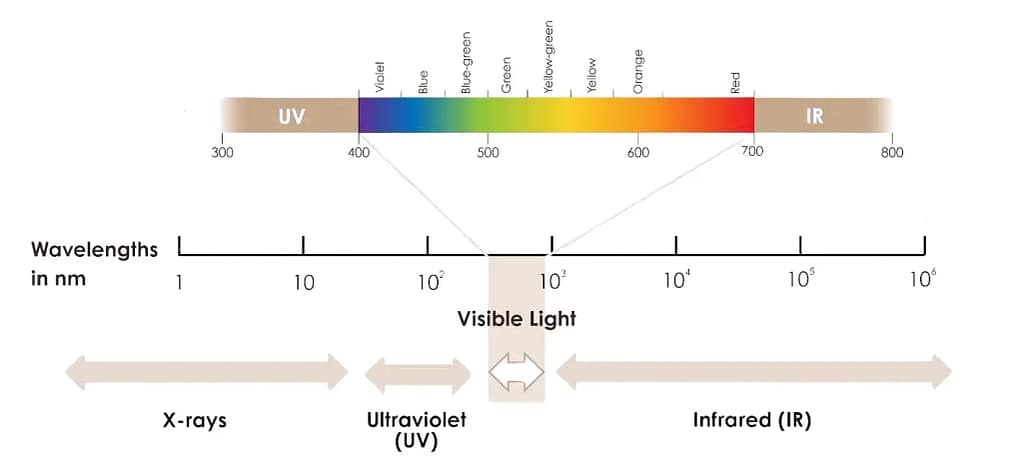
Different frequencies behave completely differently once they hit your skin.
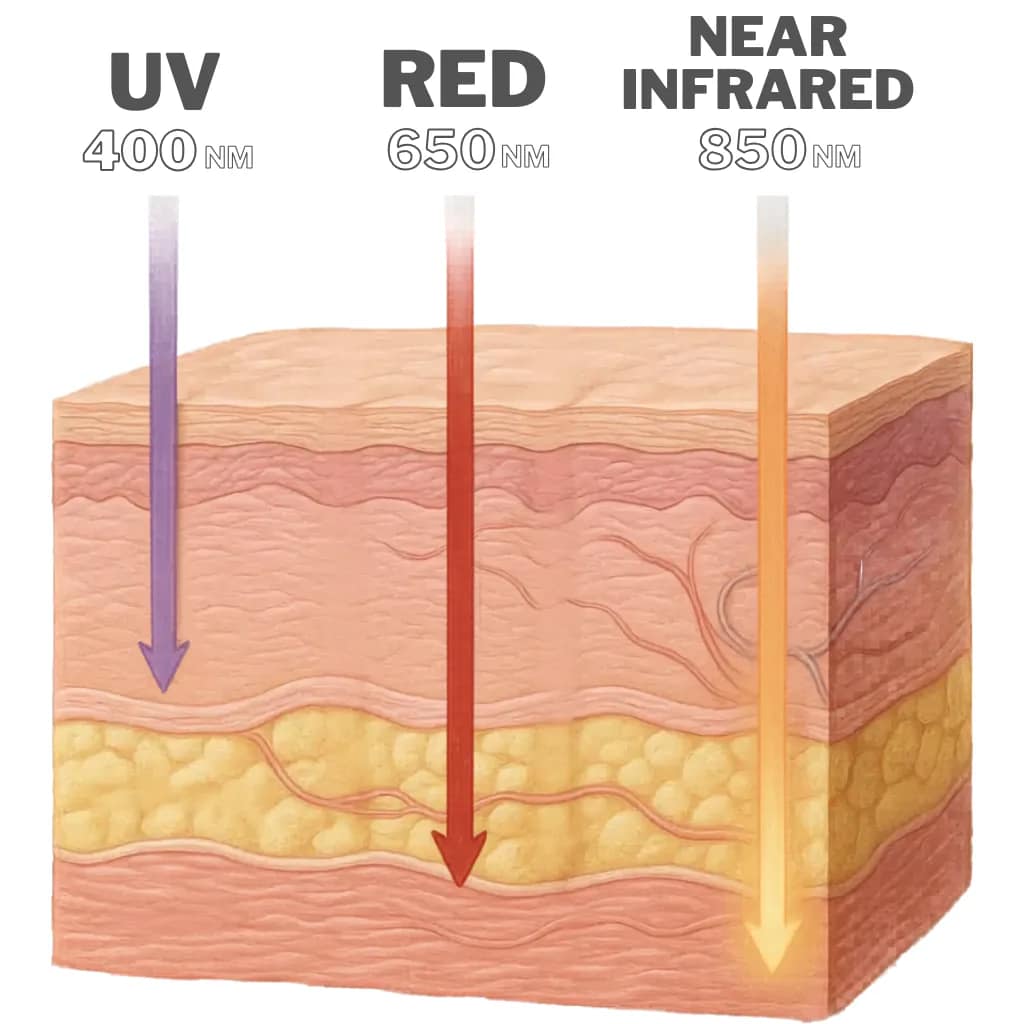
UV light, the kind responsible for sunburn, carries a lot of energy but barely makes it past the outermost layer of skin. It is absorbed almost immediately at the surface, which is why it causes damage there rather than deeper down.
Visible red light, sitting at around 630 to 670 nm on the spectrum, has less energy but penetrates more meaningfully into the tissue, reaching several millimeters below the surface where fat cells begin to sit.
Near-infrared light, at 810 to 850 nm, goes deeper still. It is completely invisible to the human eye, but it travels further into the body than red light does, reaching structures that sit lower beneath the skin.
The image below shows exactly where each type sits and how far each one travels.
What the Science Says
To understand what red light does to fat, you first need to know what fat cells actually are. They are not passive storage units. They are living cells, and like all living cells they respond to their environment.
Here is what happens when red light reaches them.
Creates Openings in Fat Cells
The leading theory is that red light stimulates the mitochondria inside fat cells, which triggers a process that creates small temporary pores in the cell membrane.
Fat stored inside the cell, in the form of triglycerides and fatty acids, leaks out through these pores into the surrounding tissue and is then processed naturally by the body’s lymphatic system.
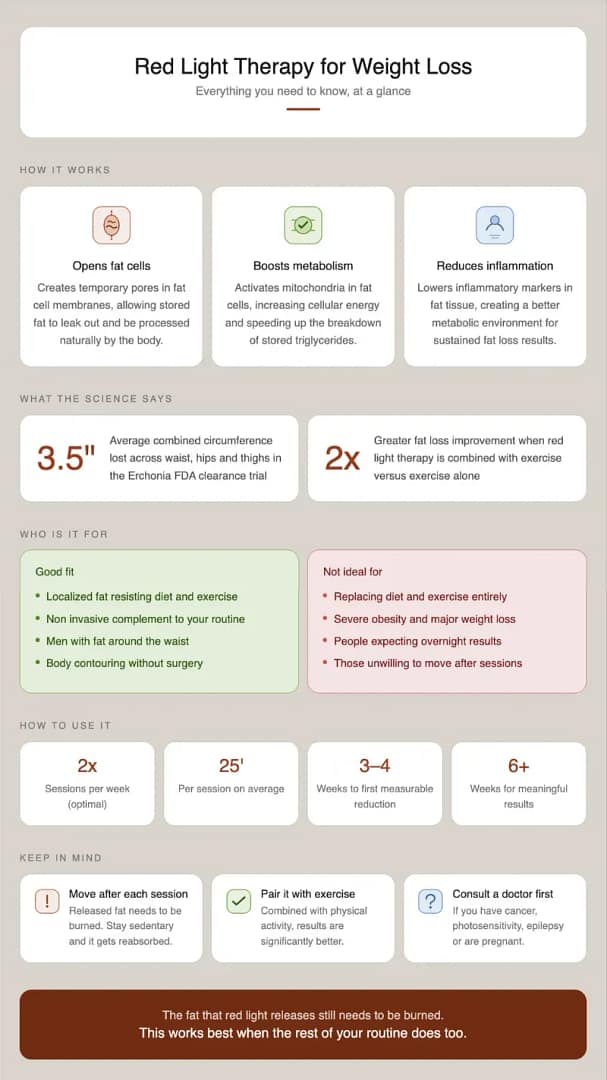
A comprehensive study confirmed this, finding that up to 99% of fat content was released from adipose cells in laboratory samples after six minutes of red light exposure.
Boosts Cellular Metabolism
Red light activates molecules inside the mitochondria of fat cells, increasing ATP production and triggering a cascade that stimulates the breakdown of triglycerides into fatty acids and glycerol. In simpler terms, the fat cells start processing their stored contents more actively.
A 2015 study on obese women published in Lasers in Surgery and Medicine found that combining red light therapy with exercise was significantly more effective at reducing fat mass and improving metabolic markers than exercise alone.
Reduces Inflammation in Fat Tissue
Here is something most people do not know: fat tissue can actually become inflamed over time, and that inflammation is a big part of why losing fat gets harder the longer you have been carrying it.
Red light therapy has been shown to help with that too, calming the inflammation down at a cellular level. A systematic review of clinical trials published in 2025 confirmed it produced real improvements in both inflammation and insulin resistance in overweight patients.
Read: The 21 Benefits of Red Light Therapy Debunked
Who Is It Best For?
Red light therapy for weight loss works on fat cells that are still present and active. It does not destroy them, it empties them. That distinction matters a lot when thinking about who will actually benefit.
It works best on localized, stubborn fat, the kind that does not respond well to diet and exercise alone, like the lower belly, the sides, the hips and thighs. Areas where fat seems to sit regardless of how clean your lifestyle is. That is exactly the profile the clinical trials focused on, and it is where the strongest evidence exists.
Red light therapy is a good fit for you if you are:
- At a healthy or near-healthy weight but struggling with specific areas of stubborn fat
- Looking for a non-invasive, drug-free complement to an existing diet and exercise routine.
- Experiencing early signs of metabolic slowdown or difficulty losing fat despite consistent effort.
- Someone who wants to support body contouring without surgery or downtime.
It is unlikely to help if you are:
- Looking for a standalone solution that replaces diet and exercise. The fat that leaks out of cells still needs to be burned or it will be reabsorbed.
- Severely obese and expecting significant overall weight loss from light therapy alone.
- Hoping for overnight results. The process is gradual and requires consistency over weeks and months.
One thing worth being clear about: red light therapy is not a weight loss treatment in the traditional sense. It does not burn calories. What it does is make fat cells more willing to release their contents, and your body more efficient at processing them. The results it produces are real, and they work best when the rest of your lifestyle is already pointed in the right direction.
How to Use It
A study by researchers at the Mayo Clinic, one of the most respected medical institutions in the United States, compared different treatment schedules and found that twice weekly sessions over six weeks produced the best overall results for body fat and waist circumference.
Weekly schedule:
| Mon | Tue | Wed | Thu | Fri | Sat | Sun | |
|---|---|---|---|---|---|---|---|
| Session | ✓ | ✓ | ✓ | ||||
| Duration | 25 min | 25 min | 25 min |
What to do after each session:
- Move your body. Fat released from cells enters your bloodstream and needs to be burned. A short walk is enough. If you stay sedentary, it can be reabsorbed
- Drink water. Your lymphatic system clears the released fat from tissue and works much better when you are well hydrated
When to schedule sessions:
- Before or after exercise is ideal. Research shows red light therapy combined with physical activity produces significantly better fat loss results than either alone
- Avoid scheduling sessions immediately after a large meal
What to realistically expect:
- Weeks 1 to 2: no visible changes yet, but the cellular process has already begun
- Weeks 3 to 4: first measurable reductions in circumference in treated areas
- Weeks 5 to 6: more noticeable changes with consistent use
- Beyond 6 weeks: continued gradual improvement, maintenance sessions recommended
What Devices Can You Use?
Unlike hair loss, where the target area is always the scalp, body contouring with red light therapy involves larger and more varied treatment areas.
The device you choose matters, because coverage and distance from the skin directly affect how much light actually reaches the fat tissue underneath.
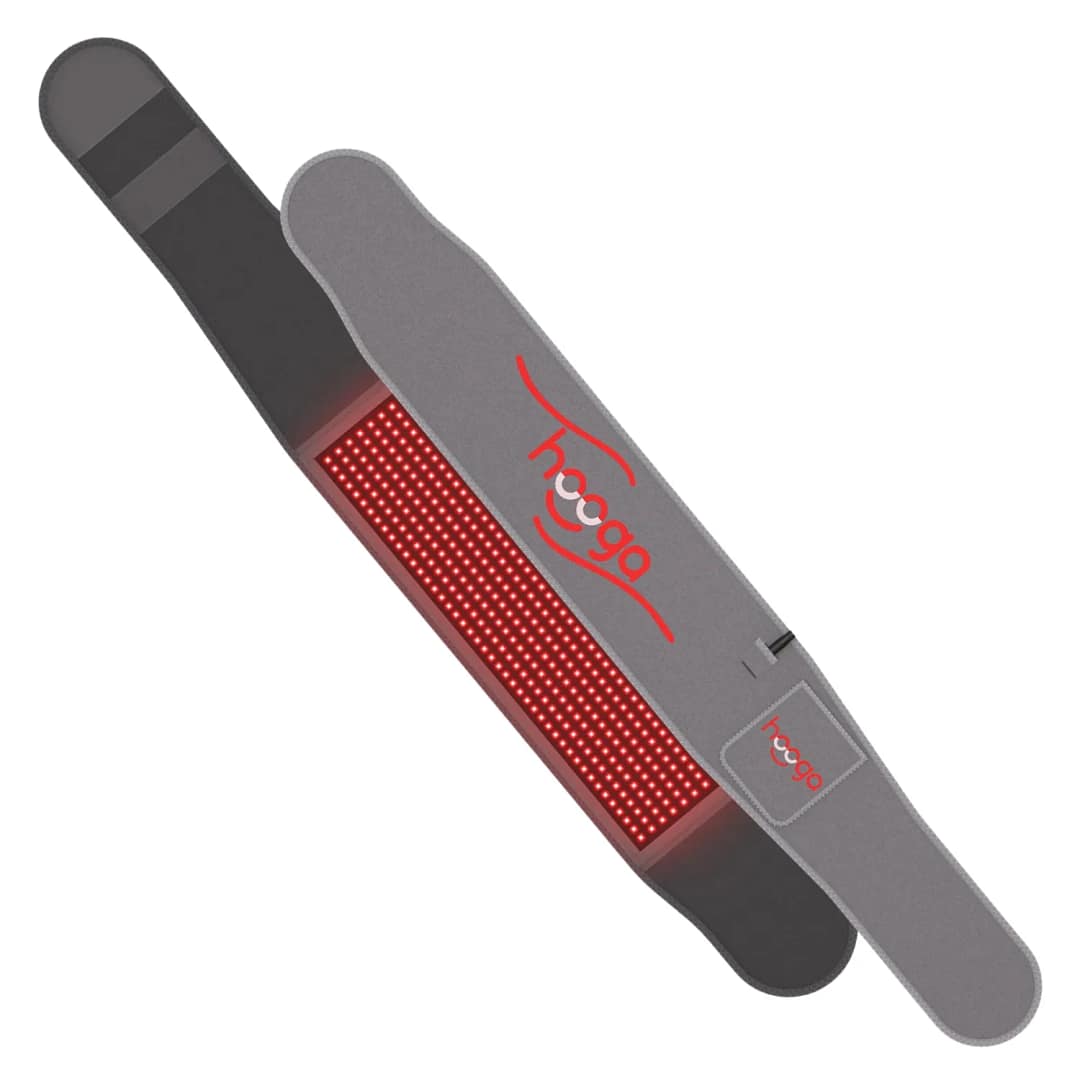
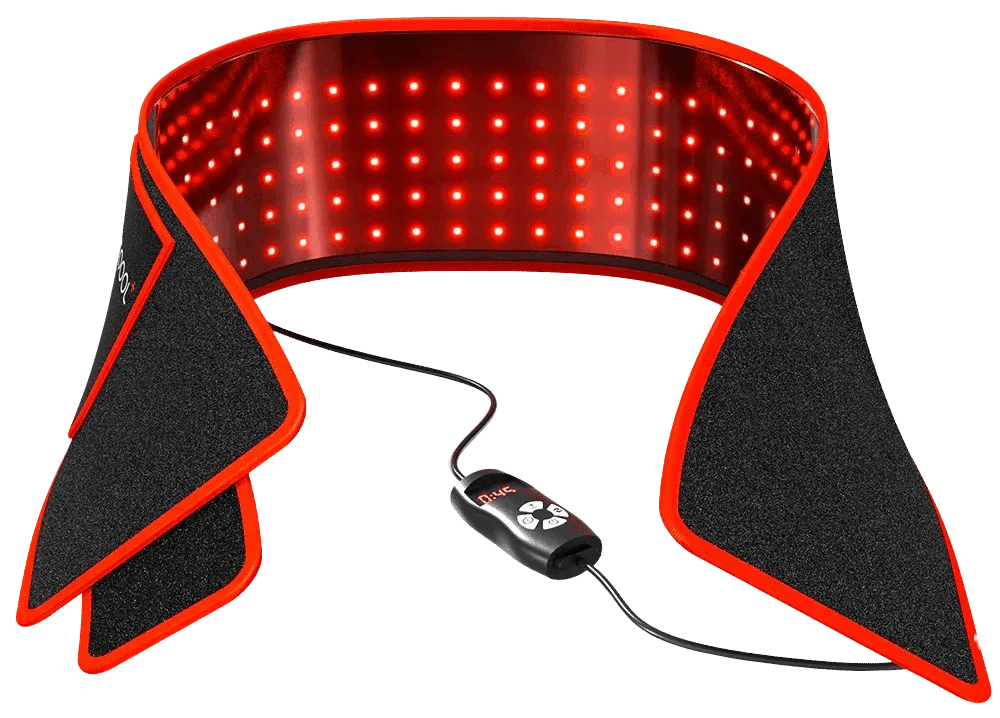
Red Light Therapy Belts
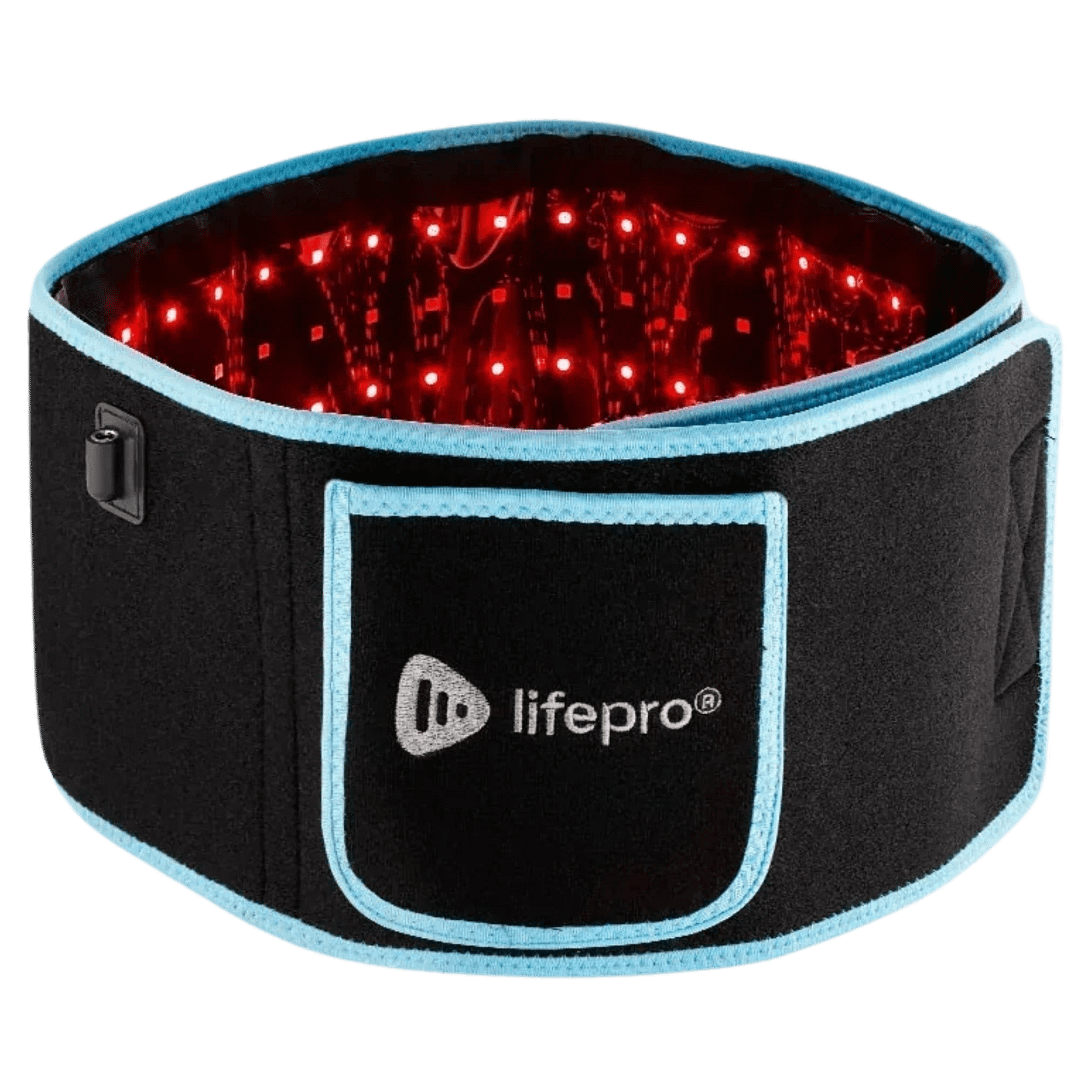
Belts wrap directly around a specific area and deliver light in direct contact with the skin. That direct contact maximizes the amount of light that reaches the fat tissue underneath, which makes them particularly effective for targeting stubborn localized fat.
They are an especially good fit for men, who tend to accumulate fat primarily around the waist and belly. Rather than treating the whole body when the problem is concentrated in one specific area, a belt lets you focus exactly where it matters most.
🥇LifePro AllevaRed
🥉BestQool Redot S
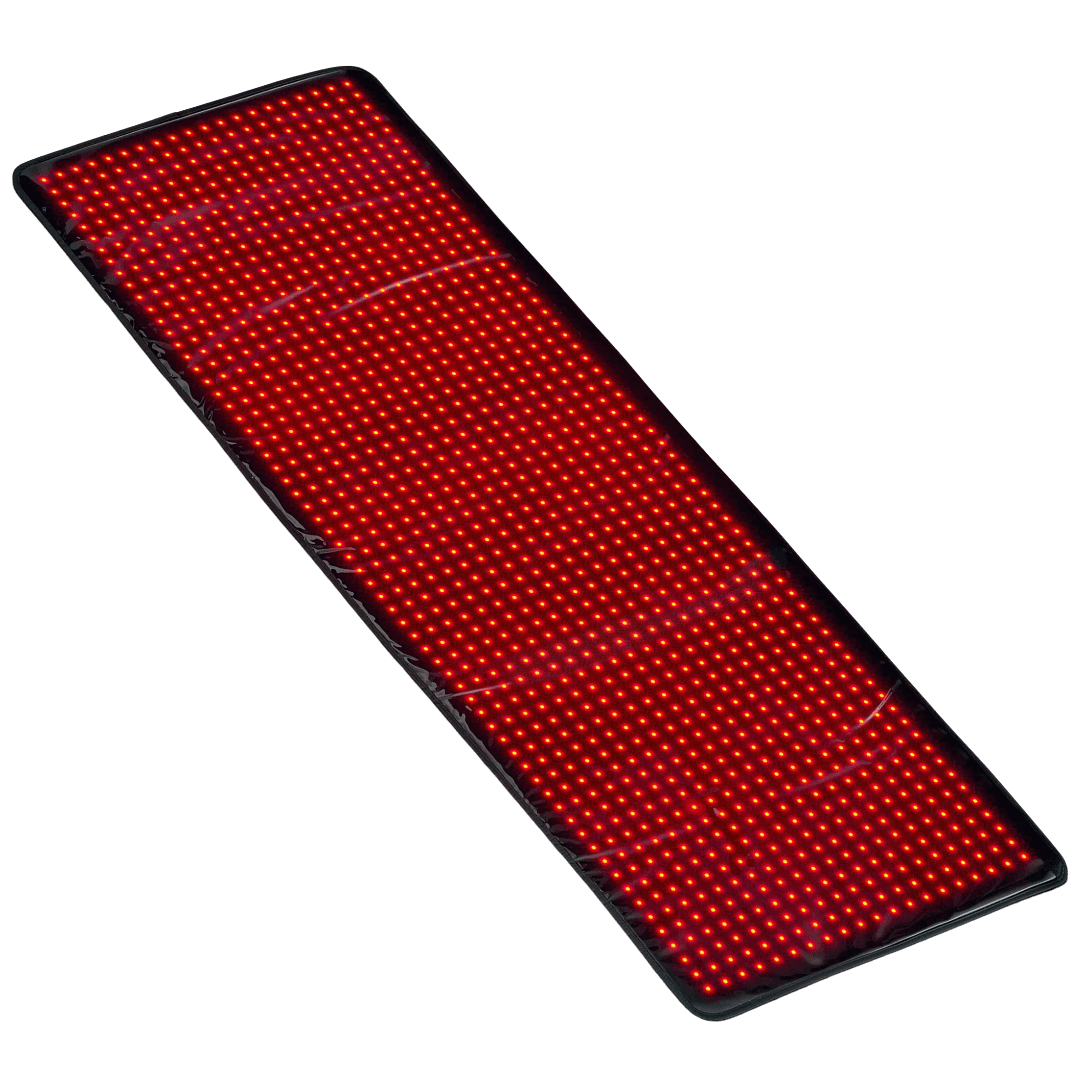
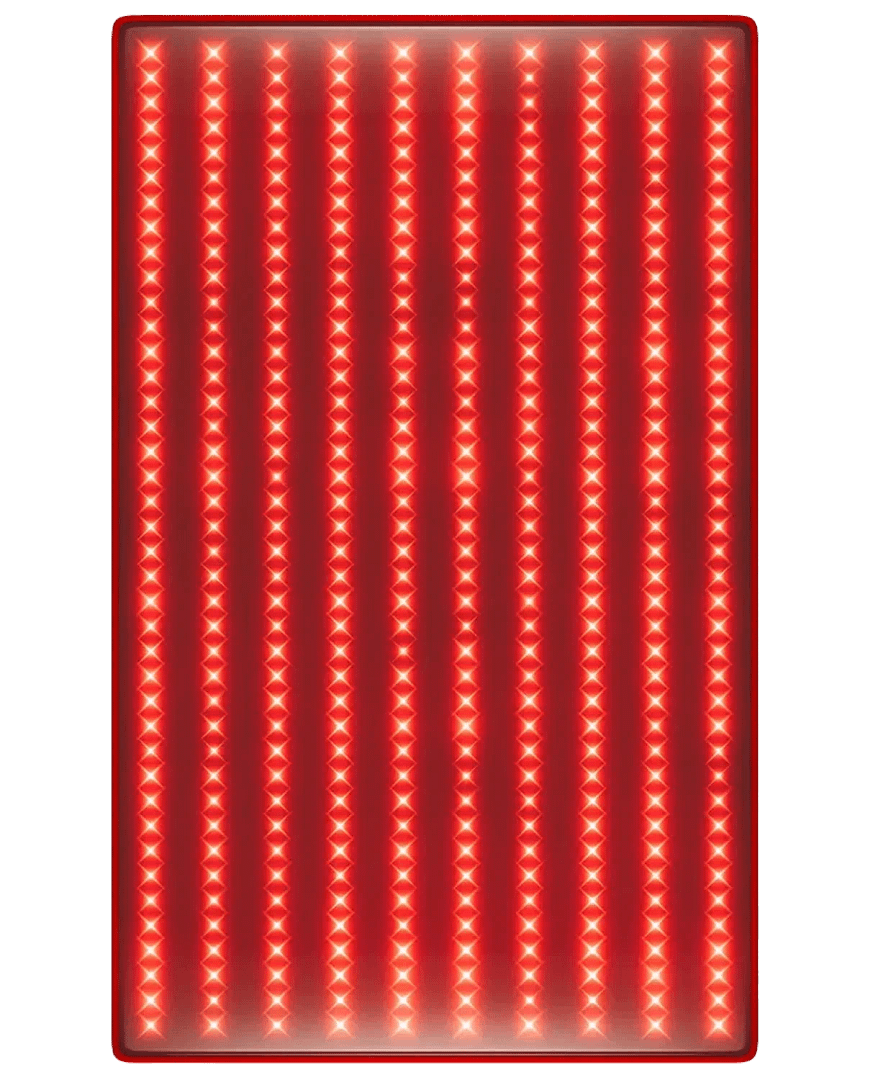
Red Light Therapy Mats
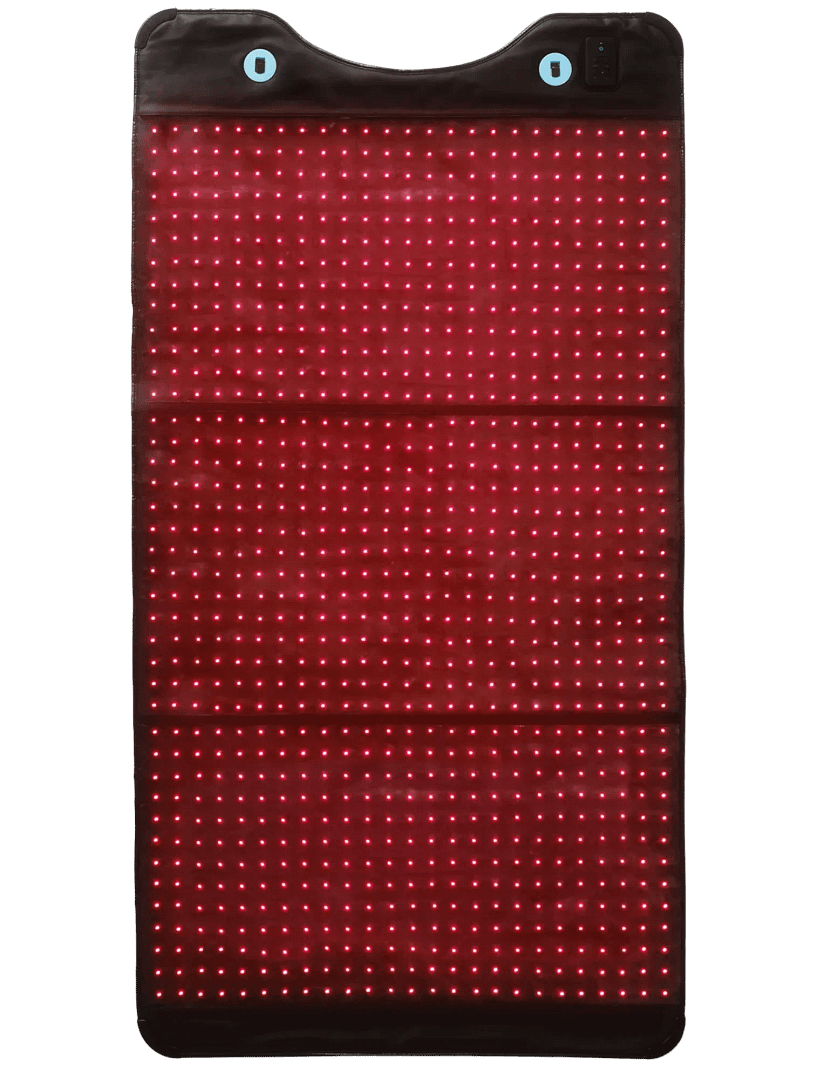
Full body mats are the most comprehensive option. You lie down on them and the light covers your entire body simultaneously, which makes them ideal for people who want to treat multiple areas at once. They are also the most convenient for home use since the session requires no effort on your part beyond lying still.
Red Light Therapy Panels
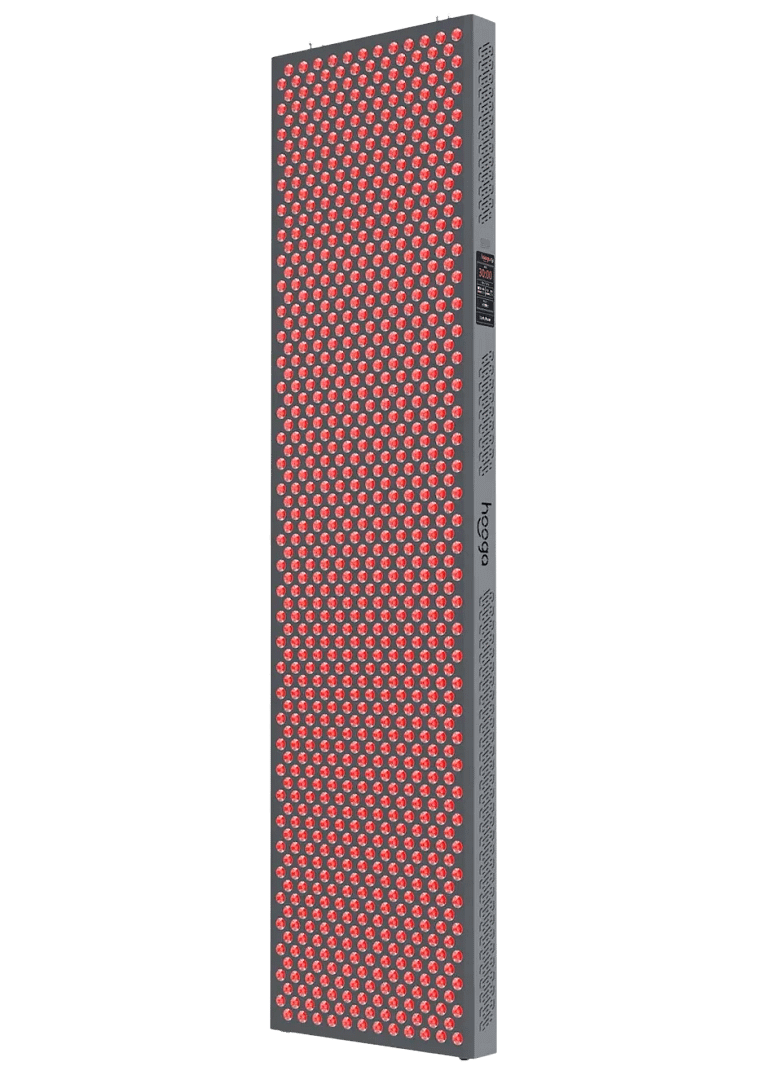
Panels are versatile and powerful, but require some positioning. You need to sit or lie in front of them at the right distance for the light to reach the target area effectively. They work well for larger surface areas like the abdomen or back, but take more setup than a mat or belt.
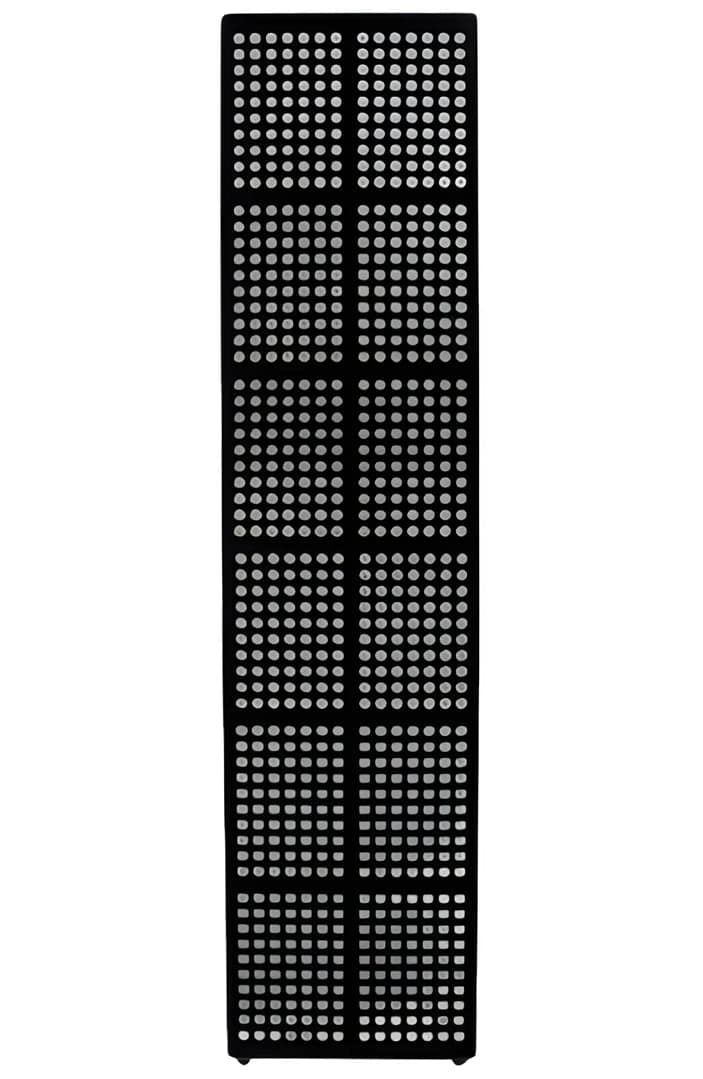
🥇Celler8 Full-Body Panel
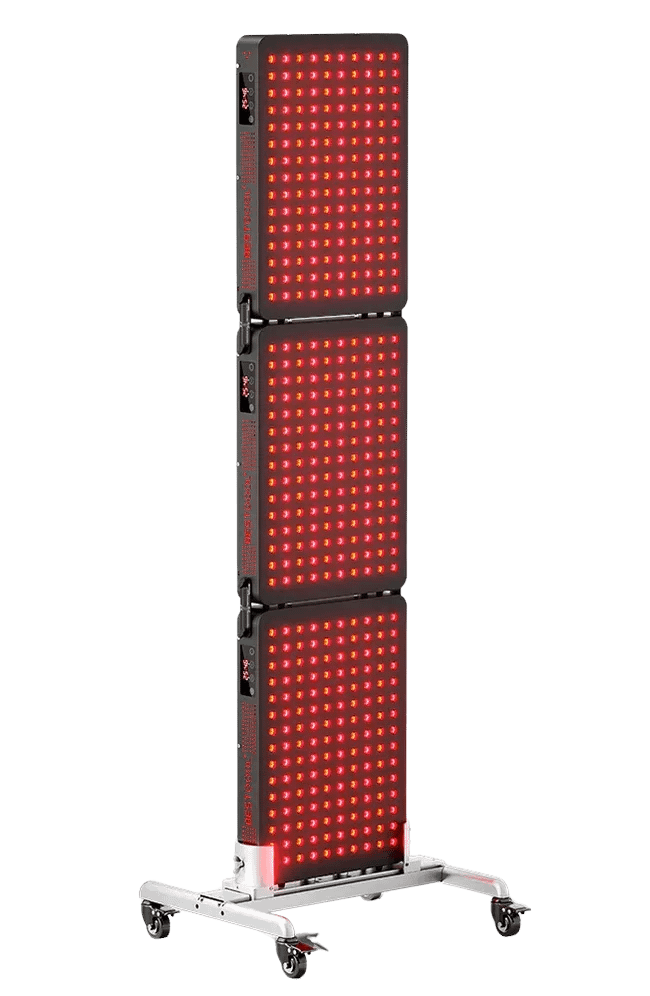
🥉BestQool BQ 150
Combining Red Light Therapy With PEMF
Red light therapy works well on its own, but there is a growing body of research suggesting it works better when combined with PEMF, which stands for Pulsed Electromagnetic Field therapy.
PEMF works on a different principle than red light. Instead of using light, it delivers low level electromagnetic pulses that pass through the body and interact with cells at a deeper level.
For fat loss specifically, research has shown that PEMF stimulates mitochondrial activity in fat and muscle tissue, promotes fatty acid oxidation, and helps reduce inflammation in adipose tissue.
A study published in the FASEB Journal found that PEMF exposure enhanced fatty acid oxidation and improved metabolic markers, producing results that in some ways mirrored the effects of exercise. A separate clinical study found that weekly PEMF sessions led to significant reductions in both total body fat and visceral fat in the majority of participants over eight weeks.
When combined with red light therapy, the two approaches target fat from different angles simultaneously.
Red light acts directly on fat cell membranes, encouraging them to release their contents. PEMF works on the metabolic environment around those cells, making the body more efficient at processing the fat that gets released.
You are essentially removing a bottleneck. Red light alone can trigger fat release, but if your cellular metabolism is sluggish, the released fat may not be processed efficiently. PEMF addresses exactly that. The result is that the two therapies reinforce each other in a way that neither can fully achieve on its own.
Full Body Mats with PEMF + RLT
The most practical way to get both in a single session is a PEMF mat with built-in red light therapy. You lie down, and both therapies are delivered at the same time, covering the full body without any additional devices or setup.
Not all PEMF mats include red light though, and among those that do, the quality varies significantly in terms of wavelength accuracy, power output and the actual PEMF frequencies used. If you want to know which devices are worth considering, I have put together a detailed breakdown of the best options currently available.
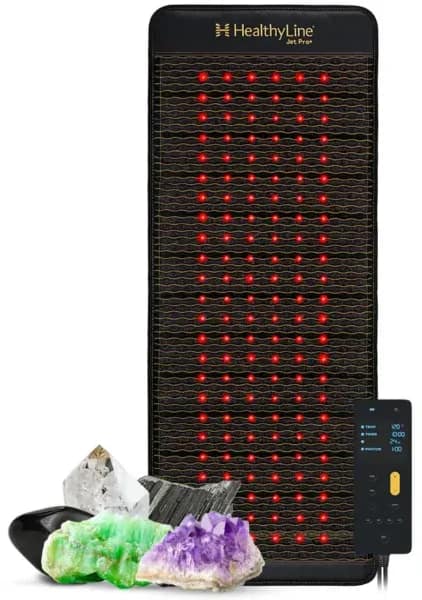
🥇HealthyLine JET
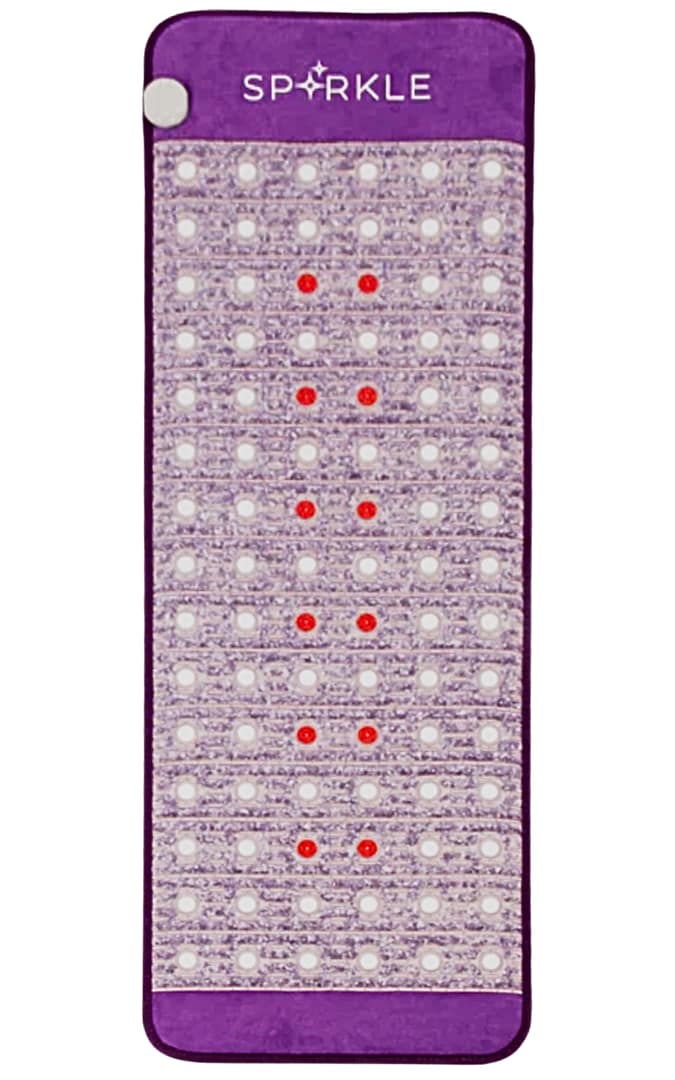
🥈Sparkle PEMF Mat
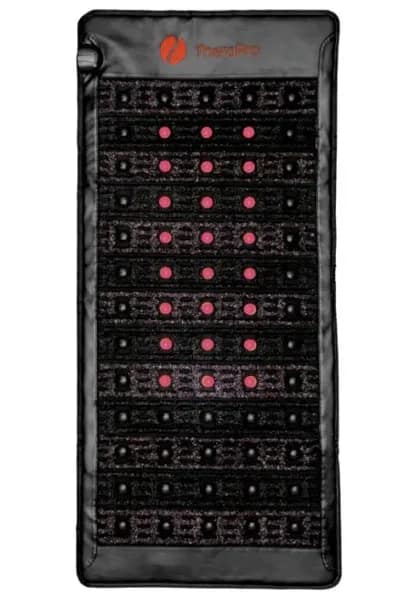
🥉Therasage TheraPro
Limitations & Side Effects
Red light therapy is well tolerated by most people, but it is not right for everyone and it is not a miracle solution. Here is what you need to know before starting.
It will not replace diet and exercise. The fat that red light releases from cells still needs to be metabolized. If your lifestyle is not supporting that process, results will be limited. This is a tool that works alongside a healthy routine, not instead of one.
Results can vary significantly. Clinical trials show real circumference reductions, but we are talking about inches, not dramatic transformations. Age, starting point, consistency and overall lifestyle all affect how much you will see.
Who should be cautious or consult a doctor first:
- People with active cancer or a history of cancer. Red light therapy stimulates cellular activity, and while current evidence does not suggest it promotes tumor growth, anyone in this situation should get medical clearance before using it
- People taking photosensitizing medications, including certain antibiotics like tetracyclines, retinoids such as Accutane, or some antipsychotics. These can make your skin significantly more reactive to light
- People with lupus or other photosensitive conditions
- Pregnant women, due to limited research on safety during pregnancy
- People with epilepsy, as some devices may flicker and trigger seizures in sensitive individuals
Common side effects:
- Mild temporary skin warmth or redness after sessions, which resolves quickly
- Eye discomfort if devices are used without protection. Always use goggles when treating areas near the face
Final Thoughts
Red light therapy for weight loss is not a magic solution, and anyone selling it as one is lying to you. What it is, is a well researched, non invasive tool that works on real biological mechanisms and has produced measurable results in clinical trials.
The honest picture is this: it will not replace a good diet or regular exercise. But for people who are already doing the right things and still struggling with specific areas of stubborn fat, it adds something meaningful to the equation. It targets fat cells directly, supports your metabolism, reduces inflammation, and when combined with PEMF, creates a synergistic effect that neither therapy achieves alone.
It requires no drugs, no surgery, no downtime, and can be done at home while watching television. The barrier to entry is low. The science is solid. The main ingredient, as always, is consistency.
If you are serious about it, start. Give it six weeks. Track your measurements. And pair it with movement to get the best out of it.
| Image | Product | Features | Price |
|
Our Pick
1
 |
Product Name |
Product Features |
Scientific Evidence

ABOUT THE AUTHOR
Marco Gentile
Marco Gentile (CHC, CMT, CTP, CETS) is a seasoned wellness professional with over 10 years of experience using red light therapy to help clients achieve optimal health and longevity. Currently, he works at the Burke Williams Spa – Health, Wellness & Fitness Center in L.A., where he continues to inspire and support individuals on their wellness journeys.
Related Articles

The Best Red-Light Therapy Masks for Skin Care of 2026. Complete Buyer’s Guide

The Best Red-Light Therapy Belts of 2026. Complete Buyer’s Guide

The Best Red-Light Therapy Wands & Torches of 2026. Complete Buyer’s Guide

The Best Red-Light Therapy Neck Devices of 2026. Complete Buyer’s Guide

The Best Red-Light Therapy Mats of 2026. Complete Buyer’s Guide

The Best Red-Light Therapy Panels: What’s the Best Full-Body Panel of 2026?
