
The 2026 Elite Recovery Protocol

You’ve been thinking about recovery all wrong.
For most people, recovery is what happens when you stop. You finish the workout, the race, the long week, and then you rest. You sleep, stretch, eat something decent. And then you do it all over again.
But the people performing at the highest level have flipped the script entirely. For them, recovery isn’t the absence of effort. It’s a system. A protocol. A daily practice that’s just as deliberate as the training itself and, in many cases, more important.
We call it the “Elite Recovery Protocol”, and as I am going to show you, it’s backed by very solid scientific evidence.
Muscle is not built during the workout. Cognitive sharpness is not restored by simply sitting on the couch. The body does its most critical work in the hours and days between efforts:
- Repairing tissue
- Regulating hormones
- Consolidating memory
- Reducing inflammation
What you do in that window determines how much of your potential you actually get to use.
This is the shift that defines elite performance in 2026. Not who can push the hardest, but who can recover the fastest, the deepest, and the most consistently.
This article is a blueprint for exactly that. We’re going to break down the five pillars of systemic recovery and show you how to build a protocol around them that actually works.
The Case for Systemic Recovery
Most recovery advice lives on the surface. Sleep eight hours. Take a rest day. Have a protein shake after training. These things matter, and nobody is saying they don’t. But if you’re treating them as the full picture, you’re leaving a lot on the table.
Here’s what’s actually happening inside your body after a hard effort. Your cells are inflamed. Your nervous system is still running hot. Your mitochondria, the tiny engines that produce energy at the cellular level, are under stress. And none of that gets resolved by simply lying on the couch for a day.
True recovery is systemic. It happens at a level most people never think about, deep in the tissues, the fascia, the cellular environment itself. It’s the difference between feeling less tired and actually being restored.
This distinction matters more than ever in 2026, because the tools to achieve it are finally accessible outside of professional sports facilities and high-end biohacking clinics. Technologies and practices that were once reserved for Olympic athletes and Silicon Valley executives are now available to anyone who takes their health seriously enough to seek them out.
The five pillars we’re about to cover work together as a system. Some of them you already know, just not at this depth. Others might be new. But by the end, you’ll understand not just what to do, but why each piece connects to the next.
Pillar 1 – Sleep: The Foundation Everything Else Is Built On
Sleep is the most important pillar in any recovery protocol. Full stop.
During deep sleep, the body produces growth hormone and repairs muscle tissue. Cortisol drops. This is when recovery actually happens.
Poor sleep quality ruins all of it, no matter how clean your diet is or how well you train.
The science is clear on this. Even a single night without sleep can reduce testosterone levels by nearly one quarter. Over time, chronic sleep deprivation creates a hormonal environment where the body struggles to repair itself. You can train as hard as you want, but a body that isn’t sleeping well is fighting itself.
Most people know they should sleep more. The harder question is how to actually sleep better. A few things make a real difference:
- Keeping consistent sleep and wake times, even on weekends
- Cooling the room down to around 18°C
- Avoiding bright light and screens in the two hours before bed
- Avoiding intense exercise in the three hours before bed
But there’s something most people never consider: not just how many hours you sleep, but what time of night those hours actually fall.
Going to bed at midnight and waking up at 8am is not the same as going to bed at 10pm and waking up at 6am, even with the same eight hours. A systematic review covering over 90,000 adults across 14 countries found that later sleep timing was consistently linked to worse health outcomes, regardless of total sleep duration. The body concentrates its deepest, most restorative sleep in the early part of the night. The later you go to bed, the less of it you get.
Last thing. The state of your nervous system when you get into bed matters enormously. A body still running hot from stress or stimulation will struggle to reach deep sleep no matter what time you lie down.
Bringing the nervous system down before sleep, through breathwork, heat, or tools that work with your body’s natural rhythms, is often where real progress happens. What that looks like in practice is exactly what Pillar 5 is about.
For now, treat sleep as the foundation. Everything else in this protocol builds on top of it.
Pillar 2 – Nutrition: Eating for Recovery, Not Just Performance

Most people pay a lot of attention to what they eat before and during training. Pre-workout meals, protein targets, intra-workout carbs. All valid.
But what you eat after the effort matters just as much, and most people give it far less thought.
After hard training, your body is dealing with inflammation. Some of that is normal and necessary. It’s part of how the body signals repair.
The problem comes when inflammation stays elevated for too long. It slows recovery, increases soreness, and over time, chips away at your overall health.
What you eat directly influences how quickly that inflammation settles.
Research shows that combining carbohydrates and proteins alongside anti-inflammatory nutrients can meaningfully support the recovery process after intense exercise. The foods that help most are not complicated. Fatty fish like salmon and sardines, leafy greens, berries, olive oil, whole grains. Foods that work with your body’s repair process rather than against it.
On the other side, highly processed foods, refined sugars, and seed oils do the opposite. Diets high in refined carbohydrates and trans fats have been linked to irregular levels of inflammatory compounds in the body, which over time can contribute to muscle loss.
Then there’s hydration, which is the part most people forget entirely.
Water plays a direct role in transporting nutrients to muscle tissue and flushing out waste products that accumulate during exercise. If you finish a session and don’t drink enough in the hours that follow, you are slowing your own recovery down in one of the simplest ways possible.
A growing number of people are also adding heat-based recovery sessions to their routine, using devices like infrared mats or sauna wraps, specifically because heat accelerates circulation and helps the body clear out inflammatory byproducts faster. If you are one of them, you need to be aware that hydration is even more critical. These sessions make you sweat more than you’d expect, and without replacing that fluid, you cancel out a good part of the benefit.
A few practical things worth keeping in mind:
- Eat something with protein and carbohydrates within an hour or two after training
- Prioritize whole, minimally processed foods throughout the day
- Include omega-3 rich foods at least a couple of times a week
- Drink consistently through the day, not just when you feel thirsty
Done consistently, these habits create a nutritional environment where the body can actually recover the way it’s designed to.
Pillar 3 – Movement: Why Doing Nothing Is Not the Answer

Most people think a rest day means lying on the couch. And while full rest has its place, doing absolutely nothing after hard training is often not the best choice your body can make.
The research on this is pretty interesting. Studies looking at active recovery protocols found reductions in soreness, improvements in flexibility, and lower levels of inflammatory markers in the blood after activities like light jogging, yoga, and aqua exercise. The key word is light. This is not about adding more training. It’s about keeping the body gently moving so it can clean itself up.
Here’s why it matters. Your lymphatic system is responsible for clearing out the waste products that build up during intense exercise. Unlike your blood, which has the heart to pump it around, lymph fluid moves almost entirely through muscle contractions and body movement. When you stay completely still, that system slows down.
Low-intensity movement after training promotes blood circulation and helps the body remove the byproducts of effort, supporting the natural recovery process.
Elite athletes have known this for a long time. Tour de France riders cover over 3,000 km across 21 stages, with just two rest days in the entire race. And on those rest days, most of them still head out for an easy spin of one to two hours. Not to train. Just to keep things moving.
In practical terms this means a walk, a yoga flow, an easy bike ride, or some mobility work. Nothing structured, nothing intense. Just enough to keep the body doing what it’s already designed to do.
Pillar 4 – Stress Regulation: The Hidden Saboteur
You can sleep well, eat well, and move well. But if your stress levels are chronically high, all of that work gets compromised.
This is the pillar most people never address.
When you’re stressed, your body produces cortisol. In small doses, it’s useful. It sharpens focus and keeps you alert. The problem starts when it stays elevated for too long.
Research on elite athletes found that those experiencing high levels of life stress had cortisol levels that stayed elevated for up to 20 hours after exercise, prolonging recovery and increasing the risk of illness and injury.
The body cannot tell the difference between the stress of a tough workout and the stress of a difficult day at work. It responds to all of it the same way. And when cortisol stays high, the body struggles to repair and rebuild muscle tissue even when nutrition is adequate.
So what actually helps? A few things have solid evidence behind them:
- Breathwork. Slow diaphragmatic breathing signals the body to stand down from stress mode. Cortisol drops relatively quickly.
- Meditation. Even ten minutes a day produces measurable changes in stress hormone levels
- Time outdoors. Exposure to natural environments lowers cortisol and reduces perceived stress. Even a short walk outside makes a difference
- Heat. Controlled heat exposure, whether through sauna, hot baths, or infrared therapy, forces the body to relax in a way that’s hard to replicate through other means. It lowers heart rate, reduces muscle tension, and promotes the kind of calm state where real recovery can take place
Some of the most effective recovery tools available today work precisely because they address this, combining heat with other inputs that support the body’s natural ability to reset. We’re going to look at those in the next section.
Pillar 5 – Recovery Technology: The Final Layer
The four pillars covered so far are foundational. Sleep, nutrition, movement, stress regulation. Get those right and you’re already ahead of most people.
But there’s a fifth layer. One that works directly at the cellular level, in ways the other four can’t fully reach on their own.
Over the last decade, a new generation of recovery tools has emerged from professional sports facilities and research labs into the mainstream. Tools that work directly at the cellular level, supporting the body’s repair processes in ways that no amount of sleep or clean eating can fully replicate on their own.
Three technologies have the strongest evidence behind them.
1. Pulsed Electromagnetic Field therapy (PEMF).
PEMF delivers short, low-frequency electromagnetic pulses directly into the body’s tissue. The frequency is measured in hertz, and different frequencies target different outcomes, from deep relaxation at the lower end to circulation and pain relief at the higher end.
Every cell in the body generates its own small electromagnetic field. When that field gets disrupted by stress, injury, or accumulated fatigue, the cell stops functioning as well. PEMF restores it. The pulses give the cell the signal it needs to get back to work, improving how it communicates, how it absorbs nutrients, and how efficiently it produces energy.
Research published in PMC confirms that PEMF acutely increases blood flow and reduces inflammation, leading to faster recovery from muscle soreness after training.
2. Far Infrared Rays Therapy (FIR)
Far infrared is a band of light on the electromagnetic spectrum, just beyond what the human eye can see. It is invisible, but the body perceives it as heat. What makes it different from conventional heat is that it does not warm the surface around you. It is absorbed directly by the body’s tissue.
Regular heat warms the skin. Far infrared penetrates several centimetres into muscle and connective tissue, reaching the areas that actually need it. That depth is what matters for recovery, because inflammation and tissue damage from training live deep in the muscle, not at the surface.
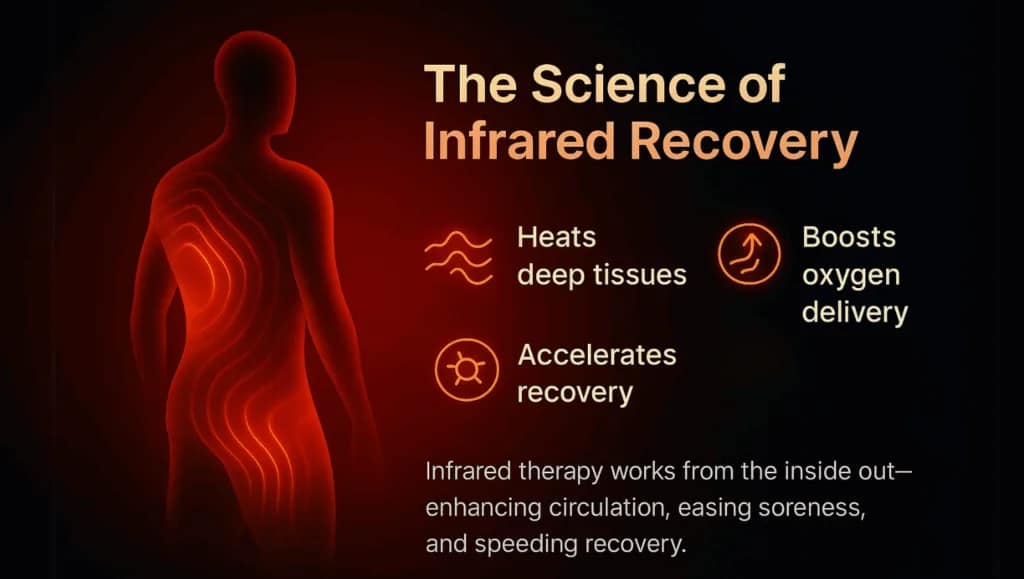
A controlled study published in the European Journal of Sport Science found that far infrared therapy reduced muscle soreness by 55 to 60%, cut muscle damage markers by up to 89%, and accelerated strength recovery by one to three days compared to a sham treatment group.
3. Red Light Therapy
Red light therapy uses specific wavelengths of red light, typically around 660nm, applied directly to the body. At that wavelength, the light penetrates the skin and reaches the cells underneath. What makes it useful for recovery is what happens at that point: the light is absorbed by the mitochondria, the tiny structures inside every cell responsible for producing energy.
When mitochondria absorb that light, they produce energy more efficiently. More cellular energy means faster tissue repair, less inflammation, and quicker recovery from the kind of damage that training creates.
A 2024 peer-reviewed study in the Journal of Biophotonics confirmed that red light exposure increases mitochondrial membrane potential and ATP production, supporting faster tissue repair and lower inflammation.
4. Negative Ions
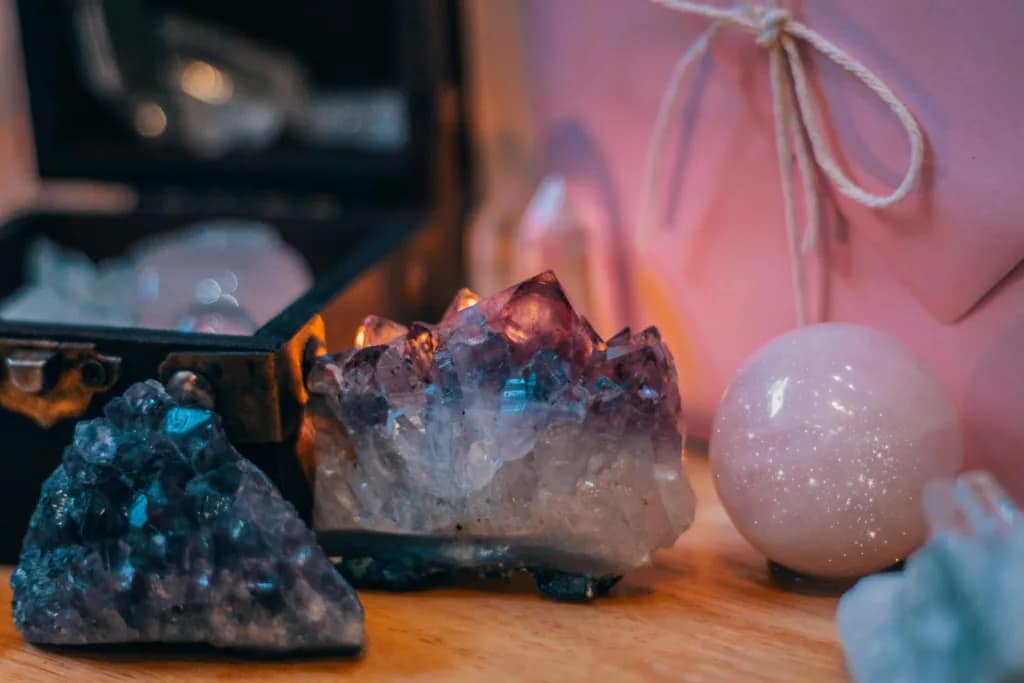
You know that feeling after time near the ocean or in the mountains? The air feels different. Part of that is negative ions. They are naturally occurring charged particles, abundant in nature and largely absent in indoor environments. Certain natural materials generate them when heated, including amethyst, tourmaline, and bianstone, three crystals that have been used in wellness applications for exactly this reason.
A meta-analysis published in BMC Psychiatry reviewed 33 studies on air ionization across five decades, and found that high concentration negative ion exposure consistently reduced depression severity and psychological stress.
Each of these works well on its own.
The practical challenge is that using all four consistently means multiple devices, multiple sessions, and a level of daily commitment that most people simply won’t maintain over time.
This is where a new category of recovery tool comes in: PEMF mats. Rather than stacking four separate protocols across your day, you lie on a single mat for 20 to 40 minutes. The mat delivers PEMF frequencies, far infrared heat, red light, and negative ions in one session.
Not all mats are built the same way. The difference lies in how many modalities are genuinely integrated, and how precisely each one is delivered. Some combine two or three elements. A small number combine all four well.
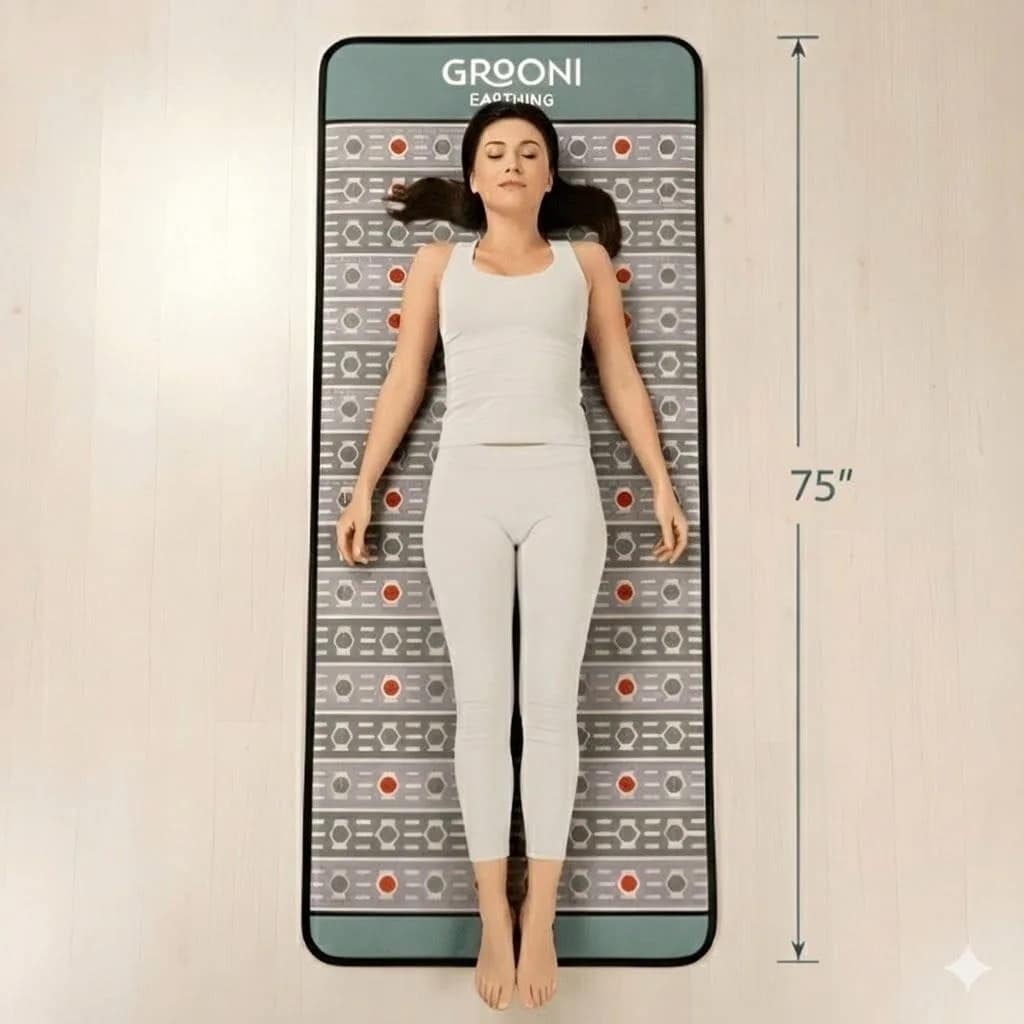
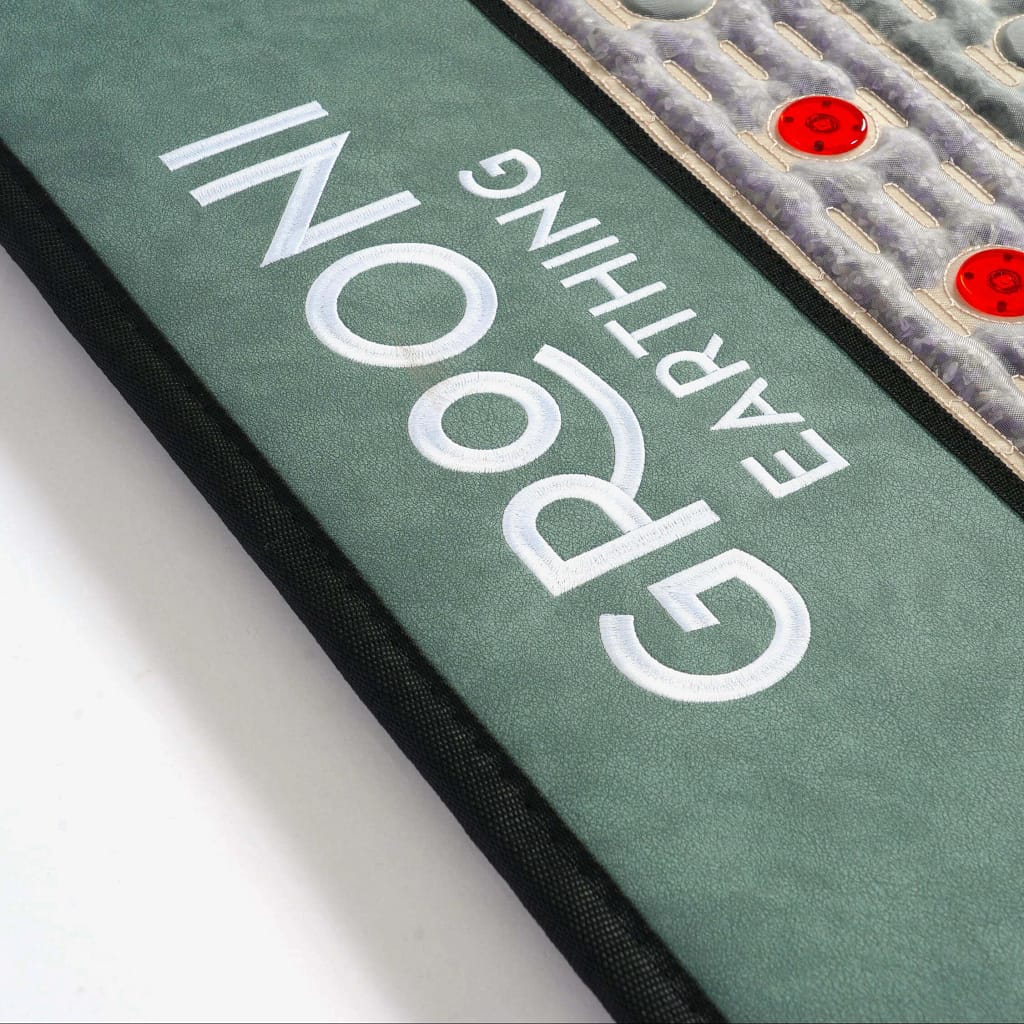
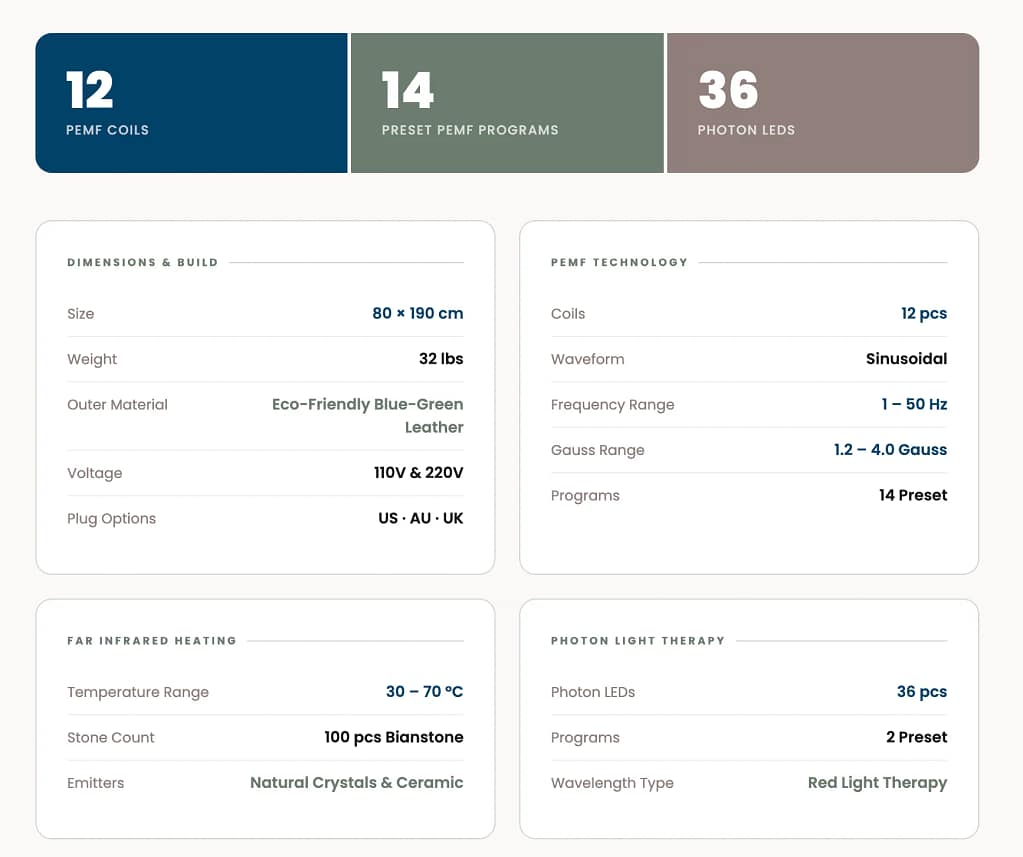
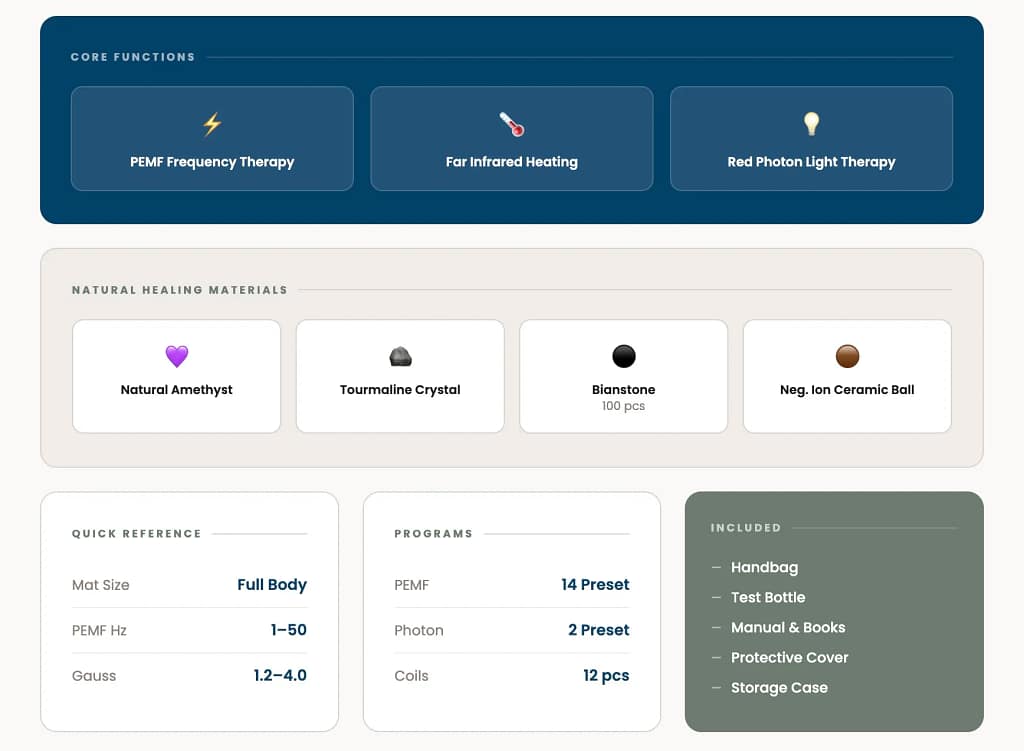
The Grooni PEMF Far Infrared 12 Cores Photon Light Mat is one of the most complete implementations available today. It brings every element of a serious recovery session onto a single surface, and each modality is there to do a specific job.
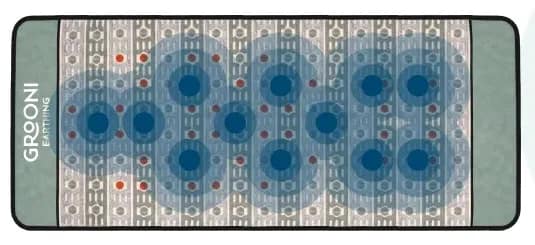
The PEMF side uses 12 cores distributed across the mat, with a frequency range running from 1 to 50 Hz. Lower frequencies work on the nervous system, supporting the kind of deep relaxation that prepares the body for quality sleep. Higher frequencies target circulation and pain relief at the tissue level.
The far infrared heat reaches up to 70 degrees Celsius. At that depth of penetration, it gets into the muscle and connective tissue that heat on the skin surface never touches. That is exactly where post-training damage sits.
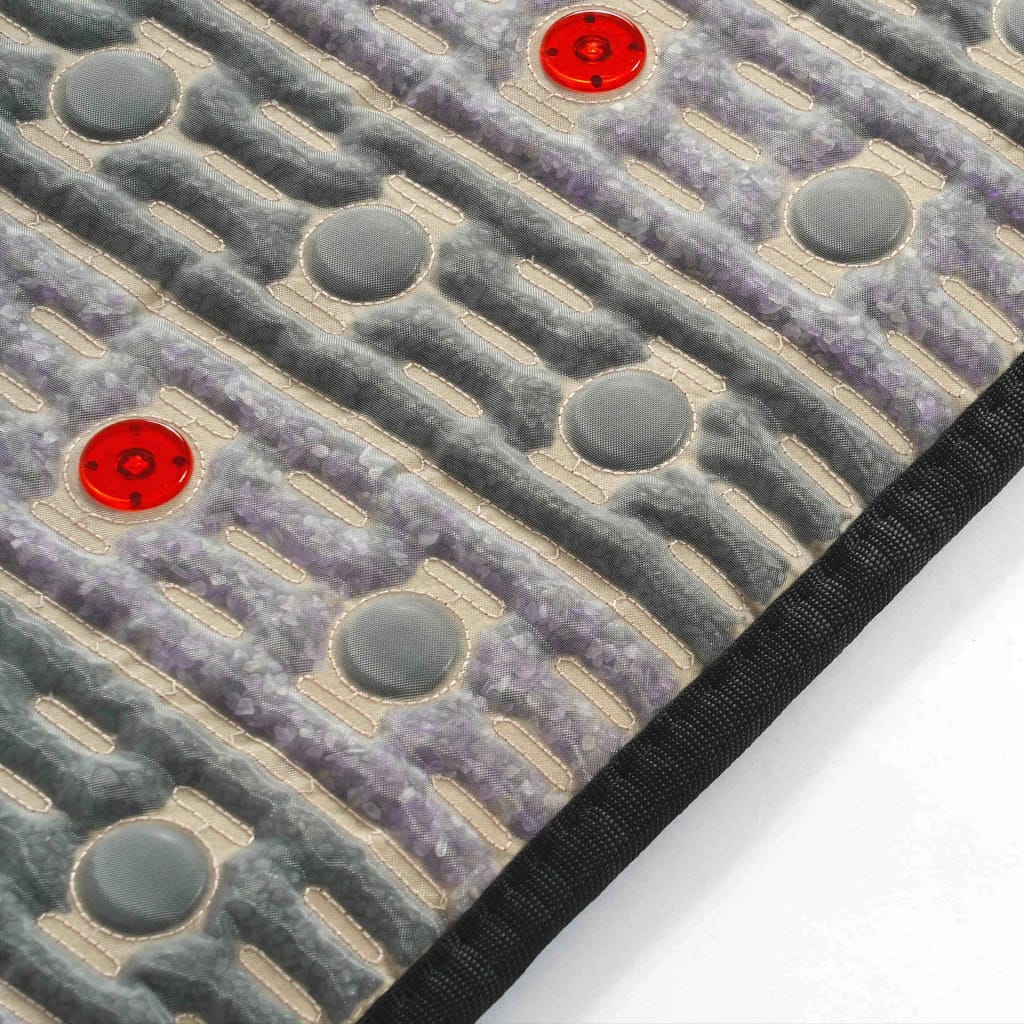
The LEDs emit red light at 660 nanometers (nm) wavelength. That is the specific wavelength shown to activate the mitochondria, increasing ATP production and supporting cellular repair from the inside out.
The mat contains three natural crystals: amethyst, tourmaline, and bianstone. When the mat heats up, each crystal emits negative ions. The exposure is continuous throughout the session.
SAVE 10% on the GROONI PEMF Photon Light Mat!

Build Your Personal Elite Recovery Protocol
Knowing what works is only half of it. The other half is building a routine you will actually stick to.
The mistake most people make is trying to change everything at once. Pick one or two things, get consistent, then add more. That is how habits survive contact with real life.
Here is a framework to work from.
The daily non-negotiables
These are the inputs that need to happen every day, regardless of whether you trained or not.
- Sleep at a consistent time, even on weekends. Going to bed late, even occasionally, disrupts the hormonal environment that recovery depends on.
- Eat a protein-forward meal within two hours of training. If you trained in the evening, do not skip this step even if you are not hungry.
- Spend at least 10 minutes outside. Natural light, movement, and fresh air reduce cortisol in ways that indoor environments cannot replicate.
- Limit alcohol. Even one drink late in the evening disrupts the deepest stages of sleep, which is exactly when the most important recovery happens.
On training days
Training days create the damage. Recovery starts the moment you finish.
- Do five to ten minutes of light movement immediately after training. A walk, easy cycling, or gentle stretching begins the clearance process before inflammation has time to set in.
- Eat within two hours, prioritising protein and carbohydrates together. Carbohydrates replenish muscle glycogen. Protein gives the body what it needs to begin repair.
- Use the Grooni mat in the evening, ideally 60 to 90 minutes before bed. Set the PEMF to a lower frequency, between 1 and 10 Hz. The far infrared heat works on the tissue damage from training. The red light supports cellular repair at the mitochondrial level. By the time you get into bed, the body is already deep into the recovery process.
On rest days
In the Elite Recovery Protocol, rest days are not for doing nothing. They are for active recovery.
- A 30 to 45 minute walk or easy bike ride is enough. The goal is circulation, not exertion.
- Use the mat in the morning rather than the evening. On rest days, higher frequency PEMF settings, around 20 to 30 Hz, support circulation and tissue repair. It is a different use of the same tool.
- Focus on nutrition quality. Rest days are when people tend to eat carelessly. Your body is still repairing on rest days, often more actively than on training days.
The weekly structure
A simple starting point looks like this:
- 3 to 4 training days with evening mat sessions at low PEMF frequency
- 2 to 3 rest days with morning mat sessions at higher frequency and active movement
- 1 full rest day with no structured exercise, focused on sleep, nutrition, and a longer mat session if time allows
You do not need to follow this perfectly. What matters is that recovery stops being an afterthought and becomes part of the plan.
The Compounding Effect
None of these pillars works in isolation. That is the point.
One good night of sleep helps. One anti-inflammatory meal helps. One session on the mat helps. But the real shift happens when these inputs stack on top of each other, day after day, without gaps.
Here is what that typically looks like over 30 days.
In the first week, most people notice sleep quality improving. The combination of consistent sleep timing, reduced evening cortisol, and regular mat sessions before bed creates conditions the body responds to quickly.
By week two, training recovery feels different. Soreness is shorter. The heaviness that used to linger for two or three days after a hard session starts to clear faster.
By week three, energy levels during the day stabilise. This is the hormonal environment beginning to recover. Testosterone, growth hormone, and cortisol all start finding a more functional rhythm when sleep and stress inputs are consistently managed.
By week four, the changes feel normal. That is the goal. Not a peak week. A new baseline.
This is what separates a protocol from a hack. Hacks produce spikes. Protocols produce a floor that keeps rising.
Conclusion: The Protocol Is the Edge


Elite recovery in 2026 is not about one thing. It is about five things working together, consistently, over time.
Sleep that is long enough and timed well. Nutrition that supports repair rather than inflammation. Movement that keeps the body processing rather than stagnating. Stress management that keeps cortisol from undoing everything else. And recovery technology that works at the cellular level, in ways the other four cannot fully reach on their own.
Most people have access to the first four. The fifth is where the gap opens up.
The Grooni PEMF Far Infrared 12 Cores Photon Light Mat exists at that intersection. Thirty minutes a day, delivering far infrared heat, PEMF, red light therapy, and negative ions simultaneously. Not as a replacement for the other pillars, but as the layer that ties them together and pushes recovery deeper than lifestyle habits alone can reach.
If you are serious about what your body can do, you need to be equally serious about what it needs to recover.
SAVE 10% on the GROONI PEMF Photon Light Mat!
🔬Scientific Studies

ABOUT THE AUTHOR
Marco Gentile
Marco Gentile (CHC, CMT, CTP, CETS) is a certified PEMF professional with over 10 years of experience helping clients achieve optimal health and longevity. Currently, he works at the Burke Williams Spa – Health, Wellness & Fitness Center in L.A., where he continues to inspire and support individuals on their wellness journeys.
Related Articles

The 9 Best PEMF Chair Mats: Complete Buyer’s Guide (Apr 2026)

I Ranked the 26 Best PEMF Mats of 2026. Complete Buyer’s Guide

The 10 Best PEMF Pads: Complete Buyer’s Guide (Apr 2026)

Best PEMF Pillows: Complete Buyer’s Guide (Apr 2026)

The Best PEMF Chakra Mats: Complete Buyer’s Guide (Feb 2026)

The 11 Best Portable PEMF Devices & Wearables (Jan 2026)

Best PEMF Mats for Dogs: Complete Buyer’s Guide (Jan 2026)
