
Mito Adapt 4.0 Review: The Only Panel That Lets You Pick Your Exact Light
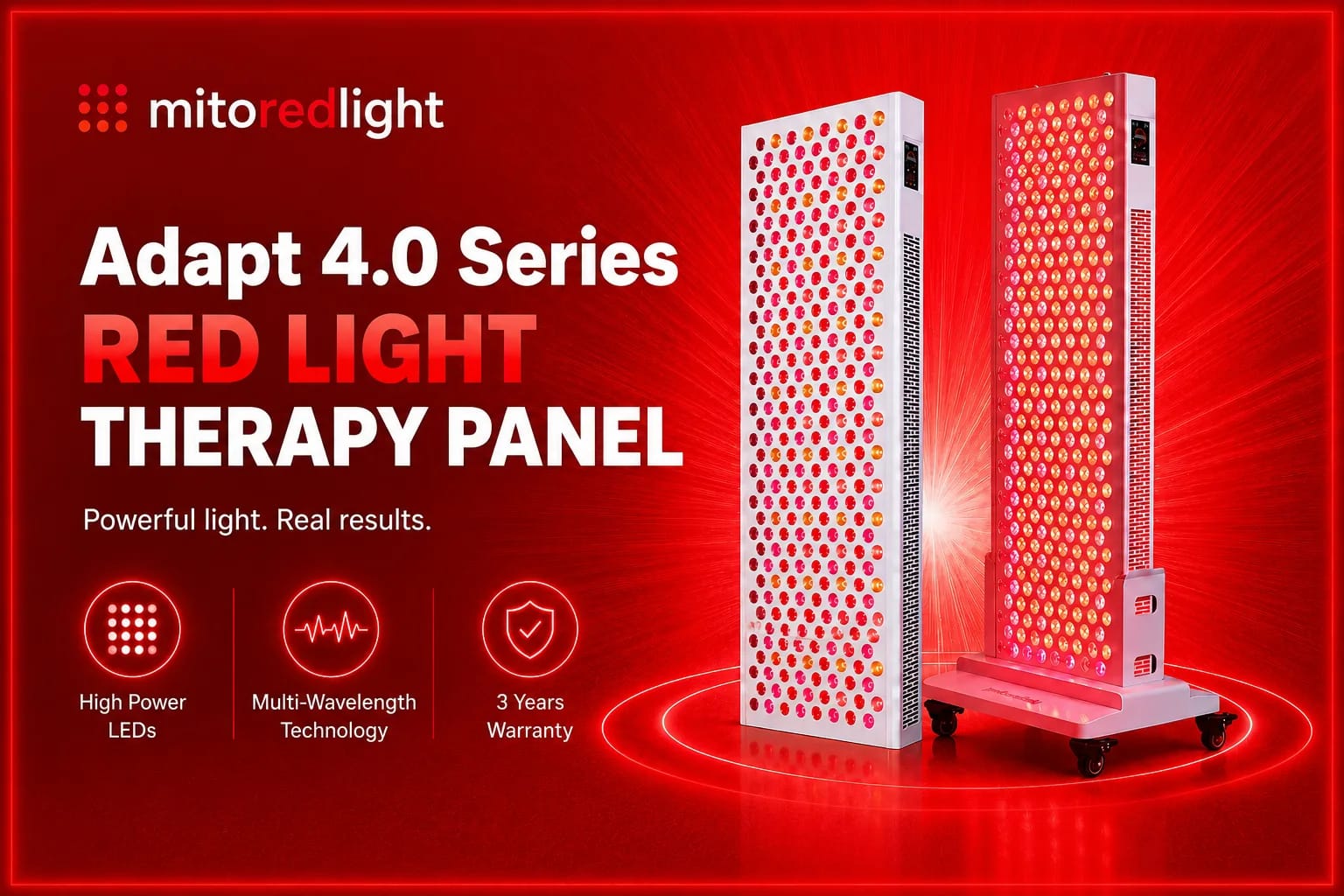
Welcome to my review of the MitoADAPT 4.0 MAX, the full-body size in Mito Red Light’s newest and most advanced line. Most panels do one thing: you turn them on and get whatever light they were built to give. Not this one.
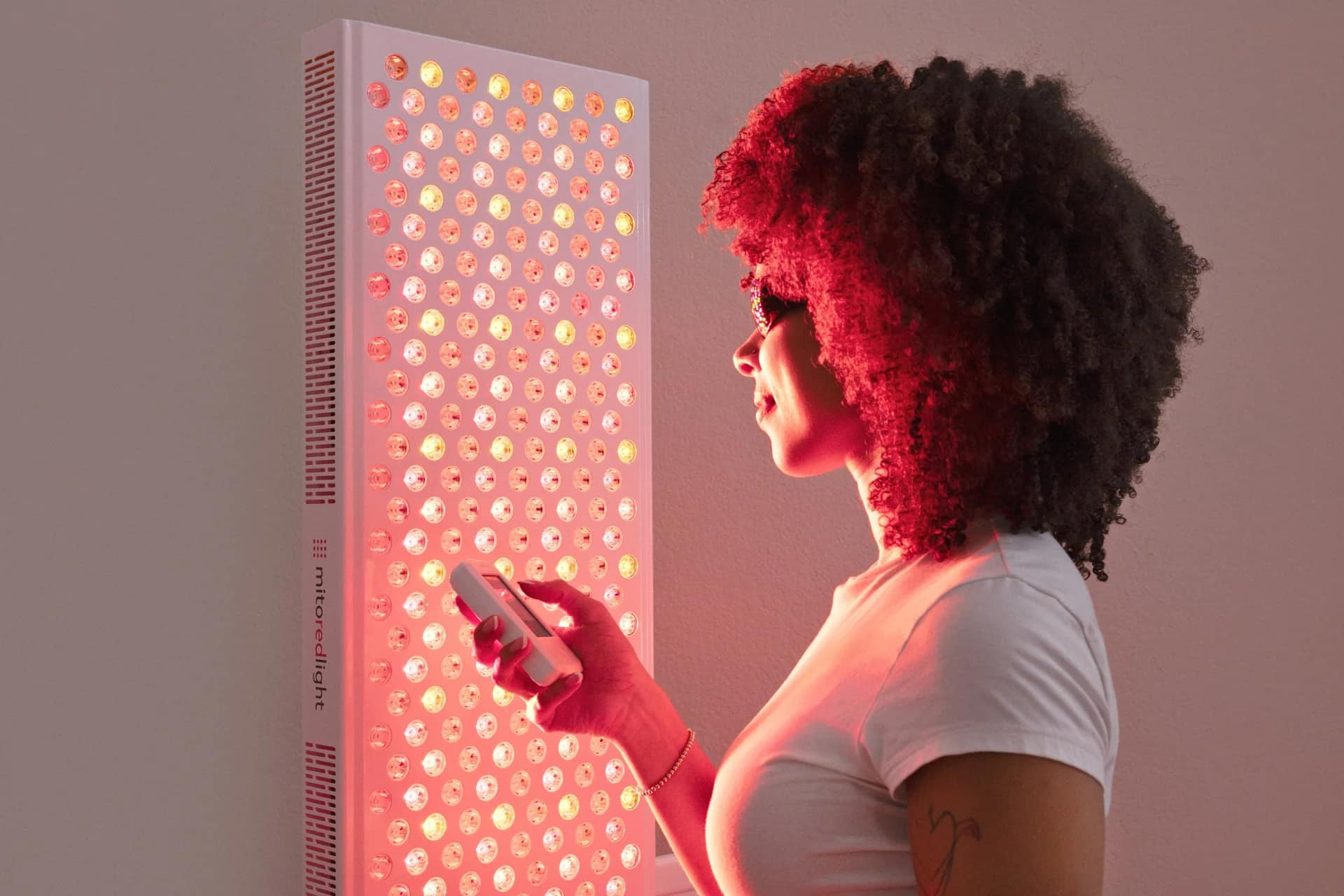
You get eight wavelengths instead of the usual two, across eleven modes, with each wavelength on its own circuit. So you can run red only for skin, near-infrared only for deeper recovery, all of it at once, or one of the presets Mito set up for a specific job. You control it from a touchscreen on the panel, or from the app.
It comes from a US company that’s been at this since before red light got trendy, and the ADAPT is where that shows most. It’s FDA Class II registered and meets medical grade standards that most home panels never touch.
One more thing up front. The Adapt 4.0 also comes as multi-panel arrays, so you can join two together into a bigger panel. I break those down further down the page.
Whether that extra control is worth having, or just more buttons to ignore, is what I set out to answer. I tested it in real sessions on wavelengths, flexibility, and build.
Product Details
Key Features
-
11 Modes (Red-NIR-Both)
-
8 Wavelengths
-
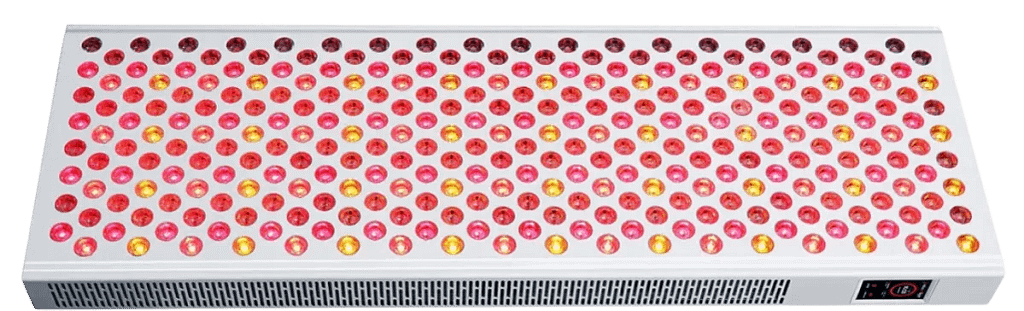
288 Dual-Chip LEDs
-
8 Preset Programs
-
Intensity Control
-
Touchscreen Side Control Panel
-
App Control for iOS and Android
-
Continuos or Puled Light
-
5 Cooling Fans
-
Irradiance at 6 in: 140mw/cm²
-
Power: 460 W
-
Size: 12 x 36 in (30.5 x 91.5 cm)
-
Weight: 25 lbs / 11.3 kg
ACCESSORIES
-
Over the Door Hook
-
Hanging Cables & Straps
-
Eye Protection Goggles
-
Horizontal & Vertical Stand (Sold Separately)
Buyer Protection
-
30 Days Return Policy
-
3-Year Warranty
-
Free US Shipping
-
Pay with HSA/FSA

Red Light Therapy Technology 

RED LIGHT TECH OVERVIEW
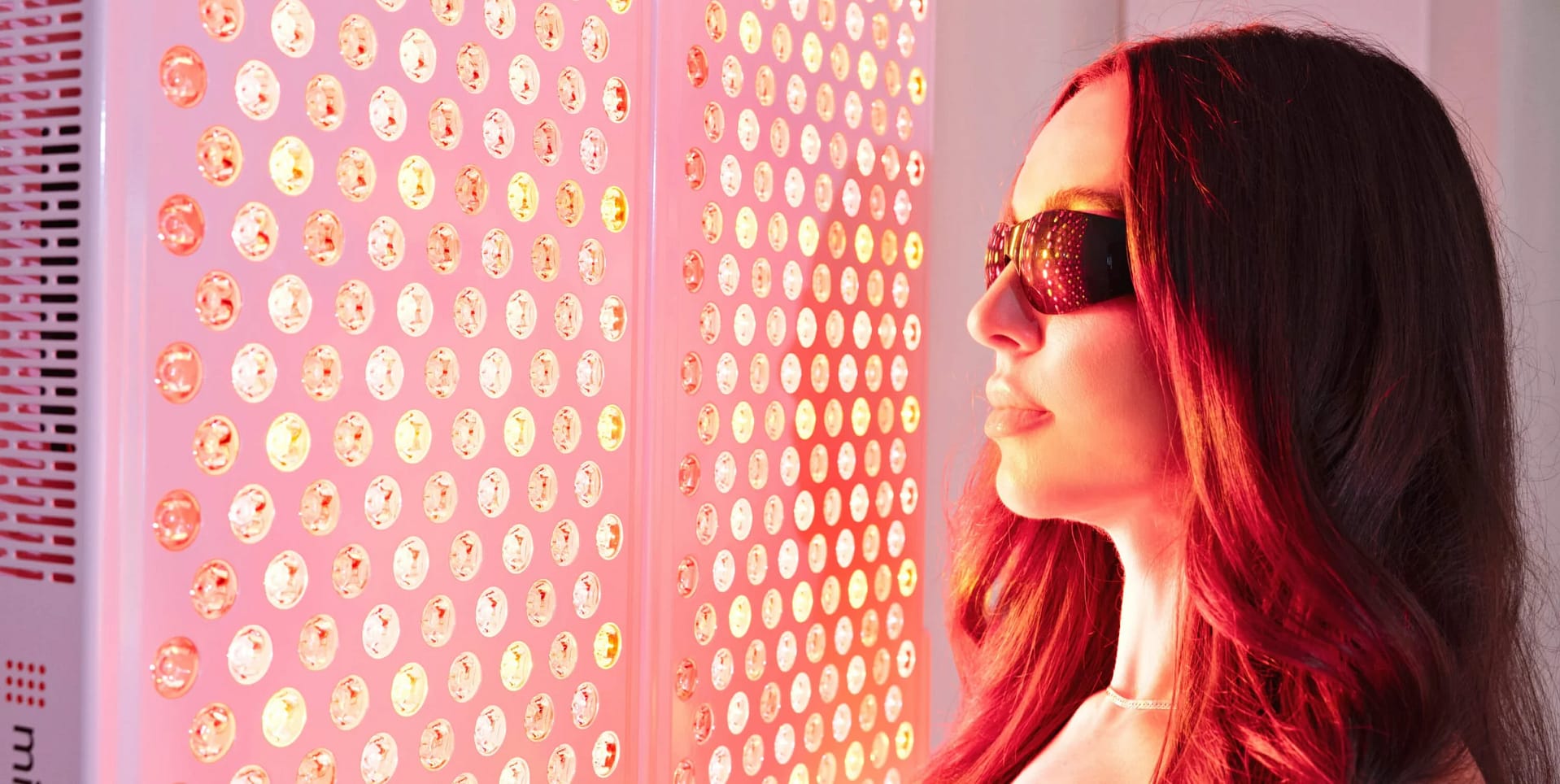
The Mito Adapt 4.0 MAX has the best red light tech Mito puts in a panel. Most panels give you two wavelengths. This one has eight, on dual-chip LEDs wired across eight separate circuits. That’s what sets it apart: not just more wavelengths, but the ability to run them in different combinations instead of always firing everything at once. It’s the reason the panel has eleven modes instead of the usual one or three, and why you run it from a touchscreen and an app. There’s a lot to get into, and I’ll break it all down in the sections below.
Understanding Red Light technology & specs

8 WAVE LENGTHS
The Mito Adapt 4.0 gives you eight wavelengths: 590, 630, 660, 670, 810, 830, 850, and 940nm. Four of them are in the visible range for skin and surface work, and four are near-infrared for reaching deeper into muscle and joints. That spread is wider than almost anything else at this size, and it’s the reason the panel can run so many modes. You’re not stuck with one fixed light, you pick the wavelengths that match what you’re treating that day.
- 590nm (Amber) – The shallowest of the group. It works at the surface of the skin, where it’s linked to tone, redness, and the look of the complexion.
- 630nm & 660nm (Red) – These go into the skin itself. They’re the range for collagen, circulation, and skin repair, so this is what you want for fine lines, tone, and healing.
- 670nm (Deep Red) – Sits at the edge between red and infrared. It’s one of the more studied wavelengths lately, tied to skin as well as work on the eyes and cellular energy.
- 810nm, 830nm & 850nm (Near-Infrared) – These pass through the skin into muscle and tissue underneath. This is the range for recovery, soreness, and deeper aches. 810 in particular shows up a lot in research on circulation and the nervous system, and 850 is the workhorse infrared wavelength, well covered for muscle recovery and deeper repair.
- 940nm (Deep Infrared) – The deepest-reaching of the set. It’s the one that gets furthest into the body, aimed at deep muscle and joints red light alone can’t touch.

288 DUAL CHIP LEDs
The Mito Adapt 4.0 Panel works with a pool of eight wavelengths. What makes it different is that the wavelengths aren’t fixed in place. Each LED is dual-chip, meaning it can deliver two wavelengths at a time, and you choose which two from the eight. Multiply that choice across all 288 LEDs and you get real control over what the panel emits. That’s what make the eleven modes and all of the the app combinations possible.

IRRADIANCE AT 6”: 140mw/cm2
Irradiance is how much light energy actually reaches your skin, measured in milliwatts per square centimeter. The more you get per minute, the less time you need in front of the panel. The Mito Adapt 4.0 MAX puts out over 140 mW/cm² at 6 inches, which is plenty for short, effective sessions. In practice, around 10 minutes on one area does the job, so you’re not tied to the panel for long.
Functions
TOUCHSCREEN PANEL
You control the mito adapt panel straight from a touchscreen built into the panel. It is where you pick which of the eleven modes to run and decide all the settings to customize your tretment. Everything is reachable from the screen, so you can operate it fully without your phone if you want to.
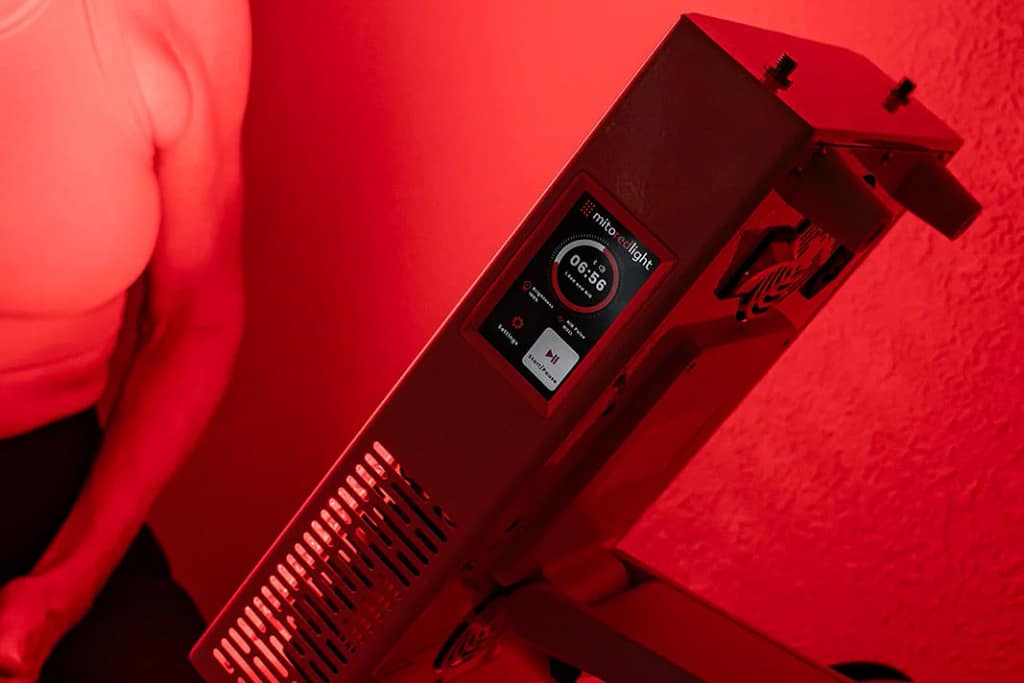
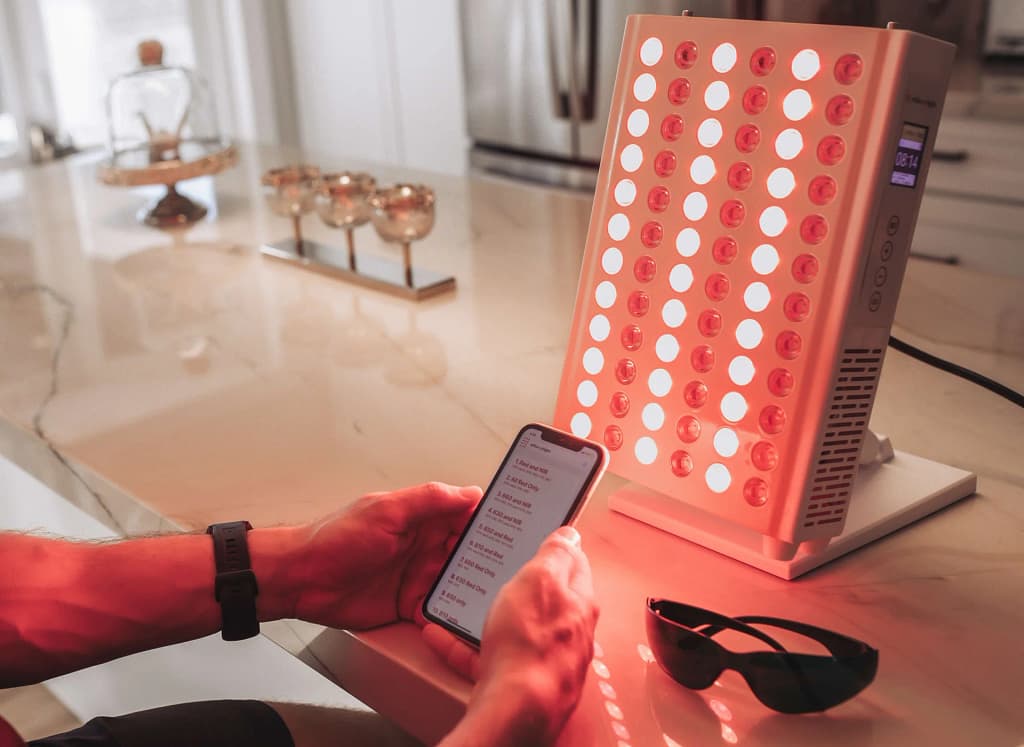
On top of that, there is the Mito Red Light app for iPhone and Android. It controls the panel from your phone or tablet, so you can choose a mode and start a session from across the room instead of reaching over to the panel each time.
The part I find more useful is the tracking: the app keeps a record of your sessions, so you are not relying on memory to know how often you have used it or which modes you have run. For a device meant to be used regularly, that history tells you whether you have actually been consistent.
Most panels give you three choices: red, near-infrared, or both. The mito red light therapy panel gives you eleven. Because the wavelengths run independently, the panel can fire any combination of them at full strength rather than just all-on or all-off. That is what the eleven preset programs are: eleven ready-made wavelength combinations, each set up for a different job, from full spectrum down to a single targeted band. Instead of picking red or infrared and living with it, you select the exact mix for what you are treating that day.
| Mode | Program | Wavelengths (nm) | Focus areas (per Mito) |
|---|---|---|---|
| 1 | Full Spectrum | 590, 630, 660, 670, 810, 830, 850, 940 | Full body, good default for rotating into any routine |
| 2 | Red Spectrum | 590, 630, 660, 670 | Skin tone, fine lines, scar support |
| 3 | Segmented Red + NIR | 660, 670, 810, 830, 850, 940 | Zone targeting, red for face, NIR for joints and muscles |
| 4 | Amber + NIR | 590, 630, 810, 830, 850, 940 | Neurovascular, thyroid/neck, circulation |
| 5 | Deep NIR + Red | 590, 630, 660, 670, 850, 940 | Metabolic, muscle recovery, lymphatic |
| 6 | Mito-NIR + Red | 590, 630, 660, 670, 810, 830 | Energy, cellular vitality, skin and system |
| 7 | Red Only (Collagen Focus) | 660, 670 | Collagen, fine lines, post-treatment healing |
| 8 | Amber Red Only (Vascular Skin) | 590, 630 | Skin tone, flushing, sensitive skin prep |
| 9 | Deep NIR Only | 850, 940 | Joints, bone-adjacent tissue, body composition |
| 10 | Core NIR Only | 810, 830 | Focus, sleep rhythm, mood |
| 11 | Broad NIR Only | 810, 830, 850, 940 | Full-body recovery, athletic performance |
FREQUENCY: CONTINUOUS
The Adapt 4.0 MAX has both continuous and pulsed mode. Continuous runs by default and is what most red light research is based on. Pulsed is there on the touchscreen if you want it. The evidence on pulsing is split: some studies show advantages for specific pulse frequencies in certain wound healing or deep tissue models, while others find continuous performs as well or better.
INTENSITY
CONTROL
You can adjust the brightness right on the touchscreen, so you can run a session softer or at full strength depending on what you’re doing and how your skin handles it. It’s smart to start on the lower side for your first few sessions and work up as you get used to it, rather than going straight to maximum. Everyone reacts a little differently, and easing in helps you find your level without overdoing it early.
Accessories
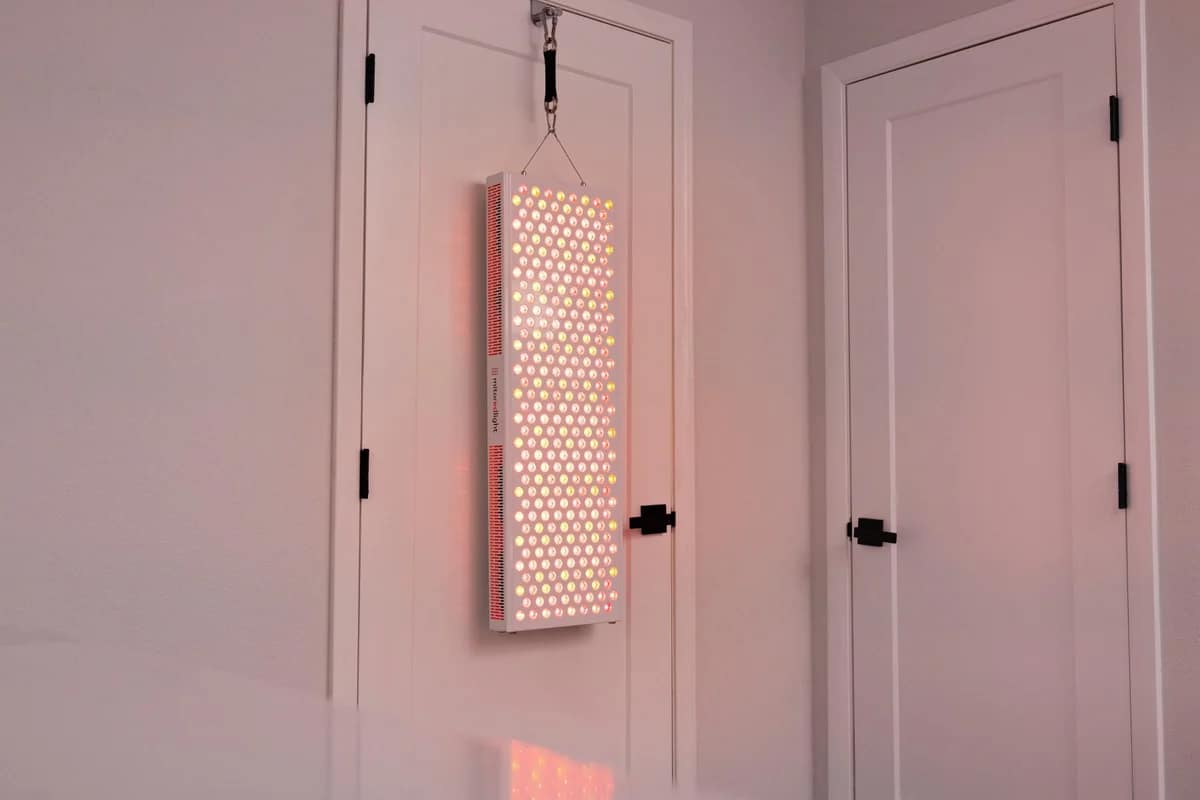
Something I like about this mito panel is that it turns up ready to hang. The over-the-door hook, steel cables, and vinyl straps are all in the box, so if you have a spare door or a bit of free wall, you can have it set up the same day it lands. That is not always the case. Plenty of panels arrive and leave you to work out the mounting on your own.
IR3 Protection Glasses
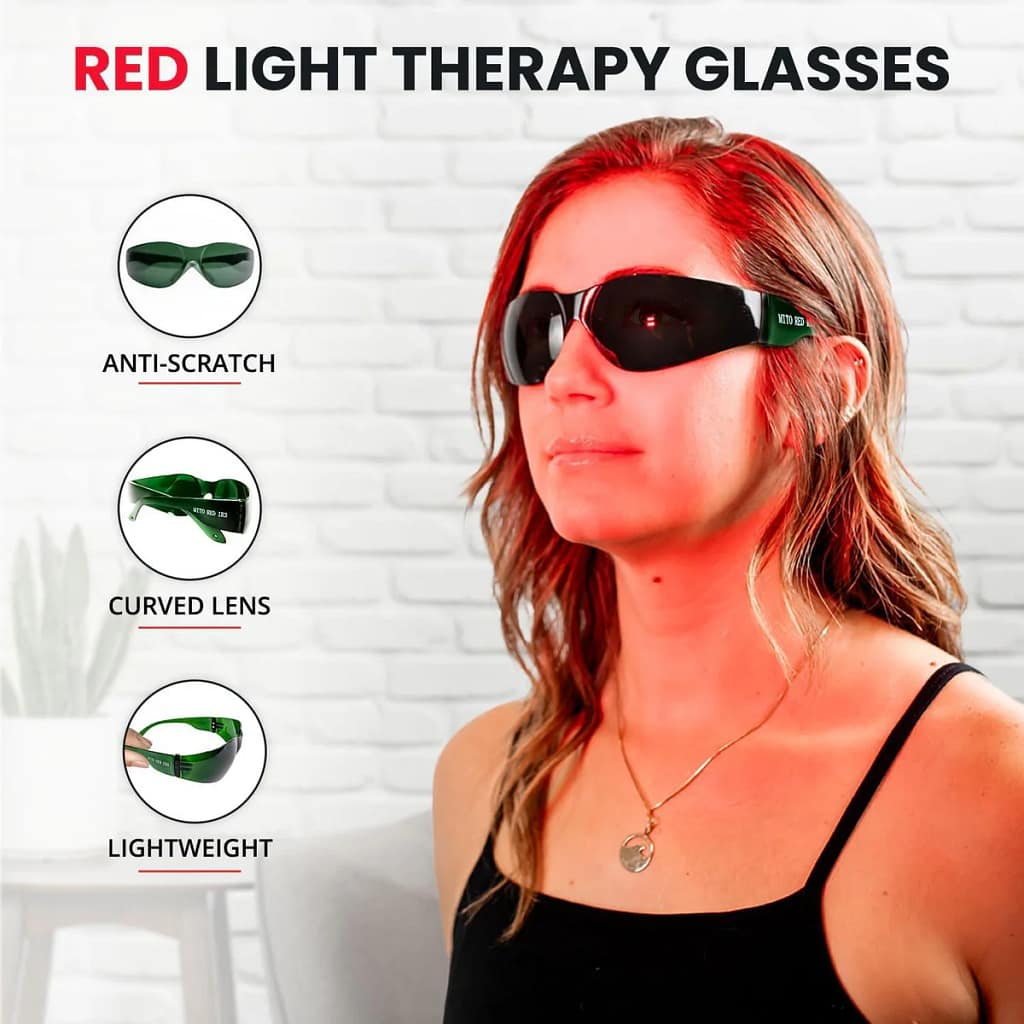
The Mito Red Light glasses filter red and near-infrared light in the 600 to 900nm range, which is where most LED therapy panels sit, so they take the edge off eye strain while still letting some visible light through. They are light and low profile, so you get the protection without them feeling like a chore to wear.
DOOR HANGING KIT & STRAPS
The door hanging set is the quickest way to get going. It hooks over a door, no drilling and no holes. The tradeoff is that a panel on a door is not completely solid and can shift a little if you knock it. If you want it fixed in place, the straps let you mount it to a wall instead. For most people the door route is enough, and it is good to have both in the box.
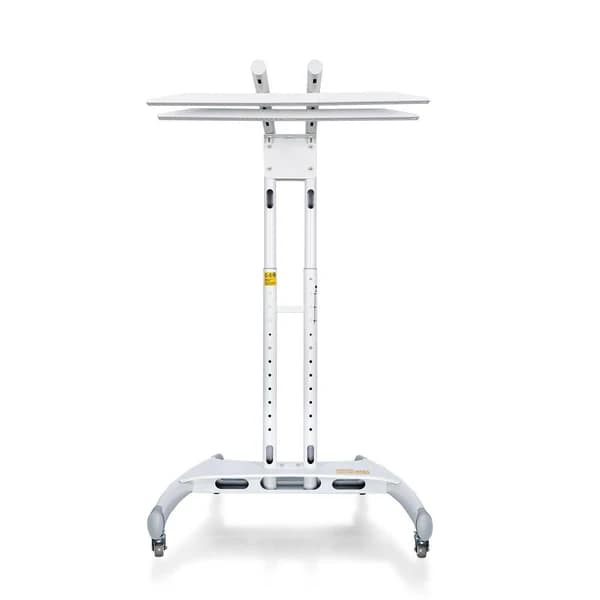
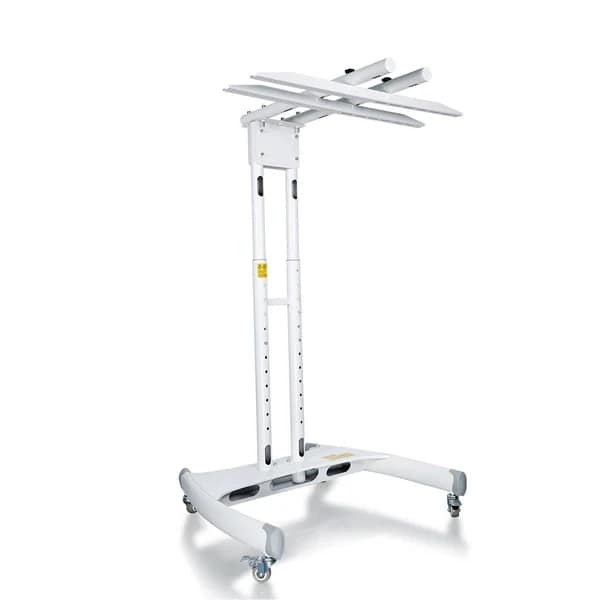
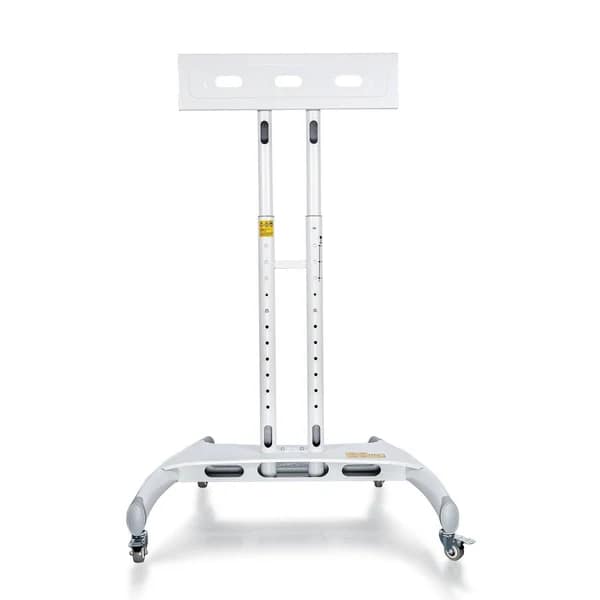
VERTICAL FLOOR STAND (not included)
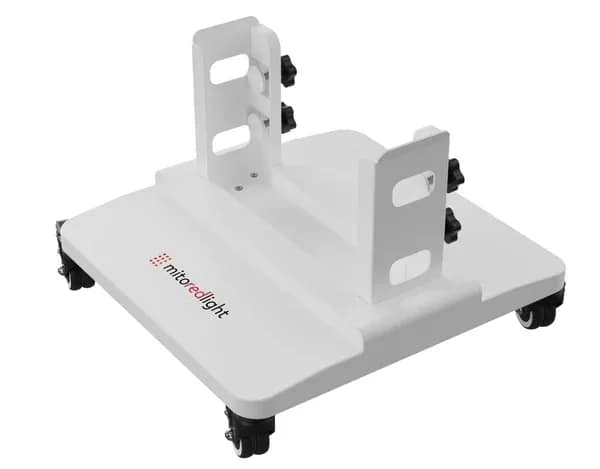
If a door or a wall spot does not suit you, the floor stand is the easy answer. It holds the mito panel upright and rolls to wherever you want it in the room. This is the stand most people pick for a single panel, because it makes the whole thing simple to move and simple to aim. It is not included in the purchase, but adding it will not break the bank.
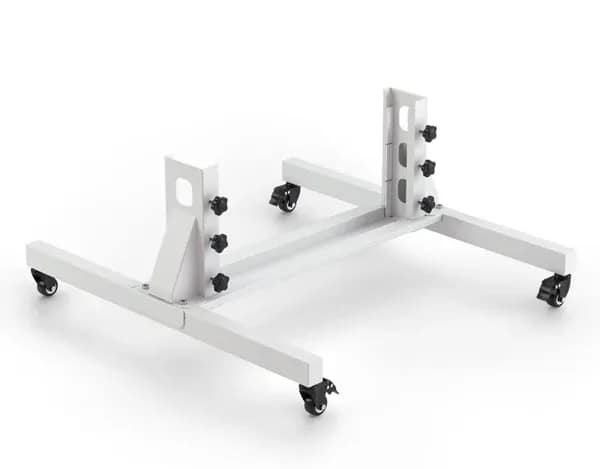
UNIVERSAL STAND (not included)
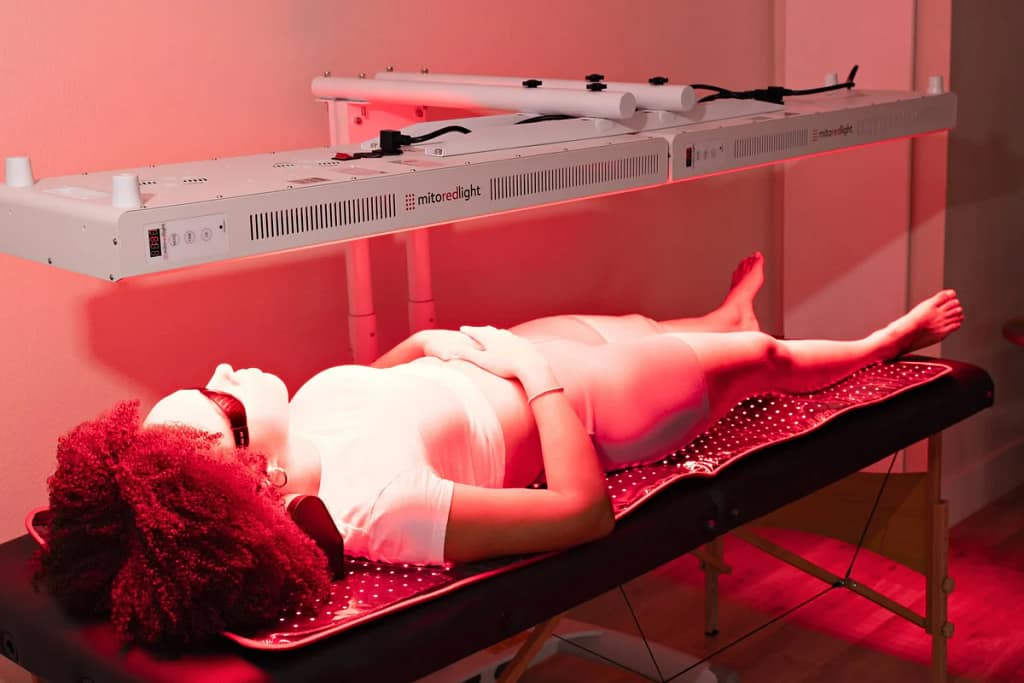
The universal stand is the upgrade pick. It does not just stand the panel up, it also lays it flat. Set it horizontal and you lie down underneath instead of standing in front, which is easier on your back and more comfortable through a full session. It also carries the larger multi-panel setups. For a single panel the plain floor stand is enough, so this one is worth it only if you plan to expand later or you prefer treating lying down. Sold separately, like the other stands.
Multi-Panel Arrays
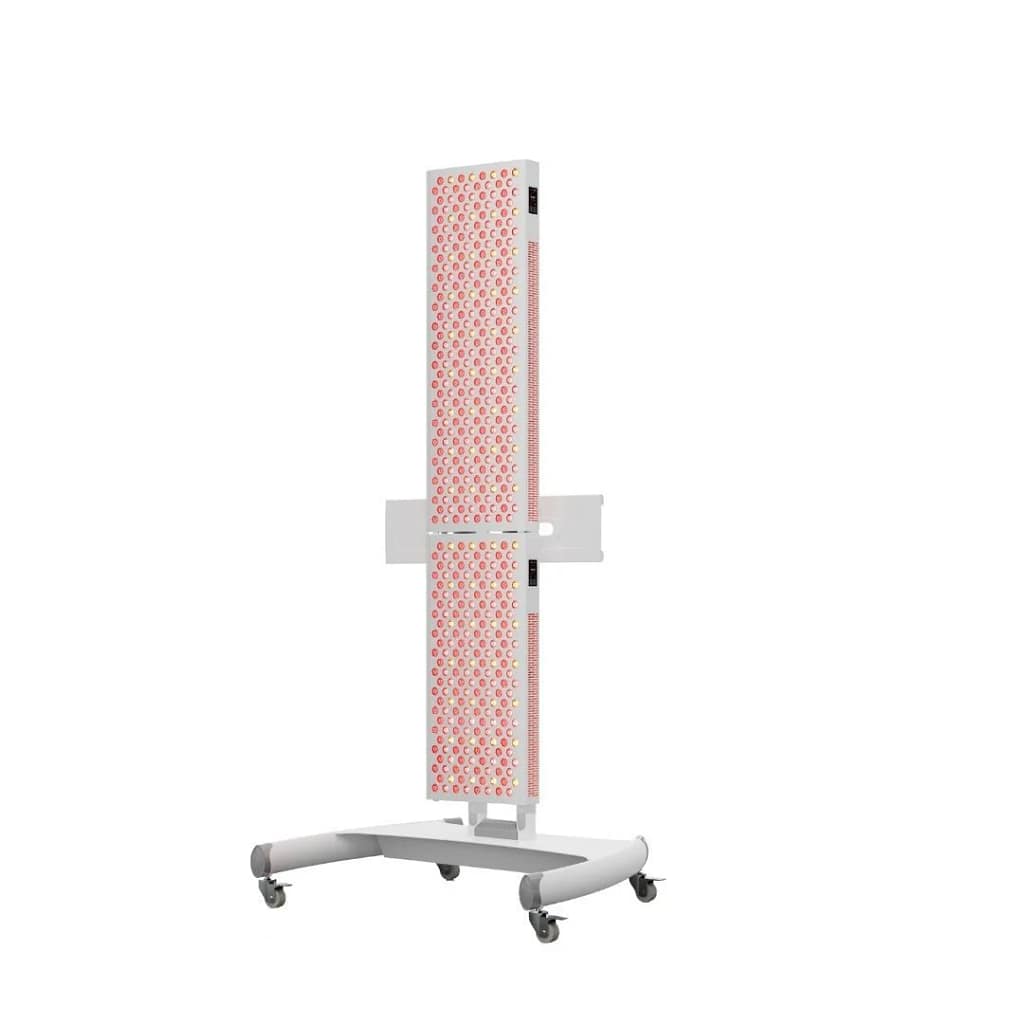
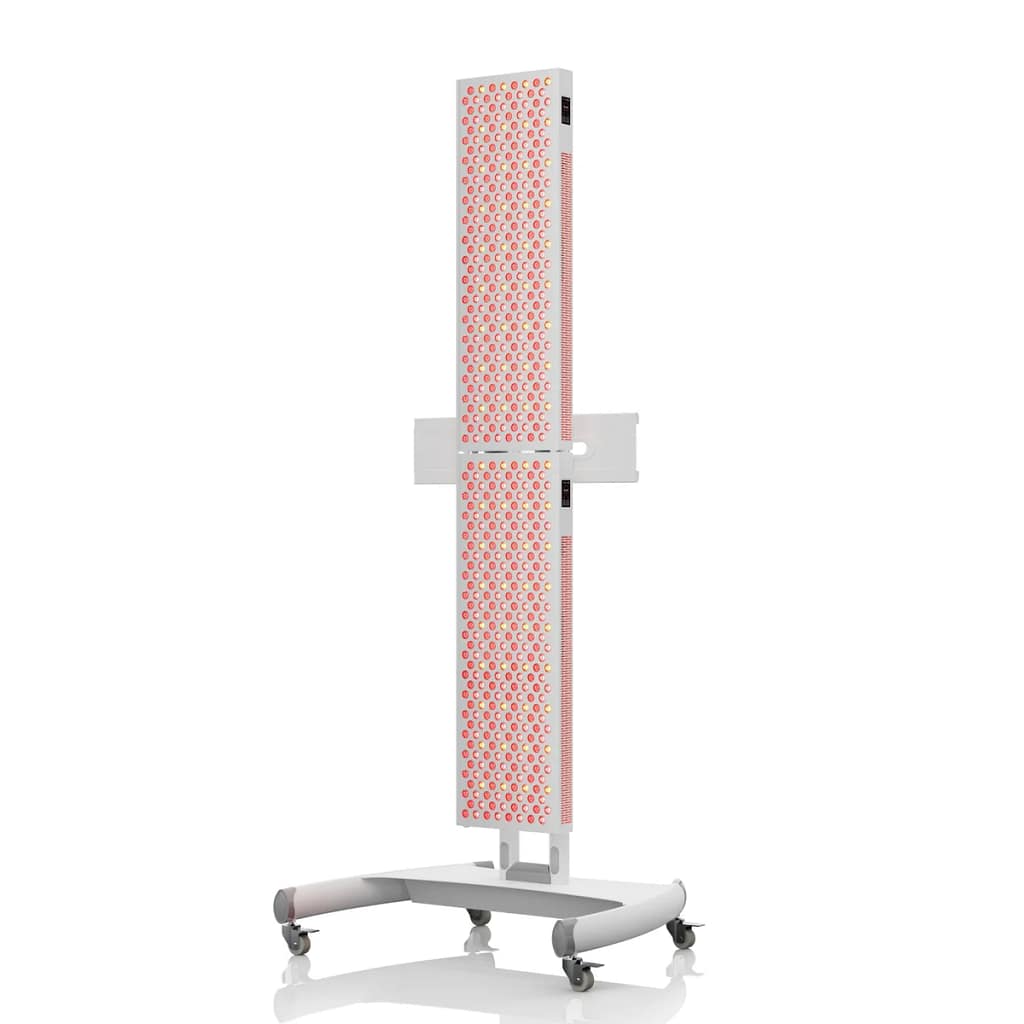
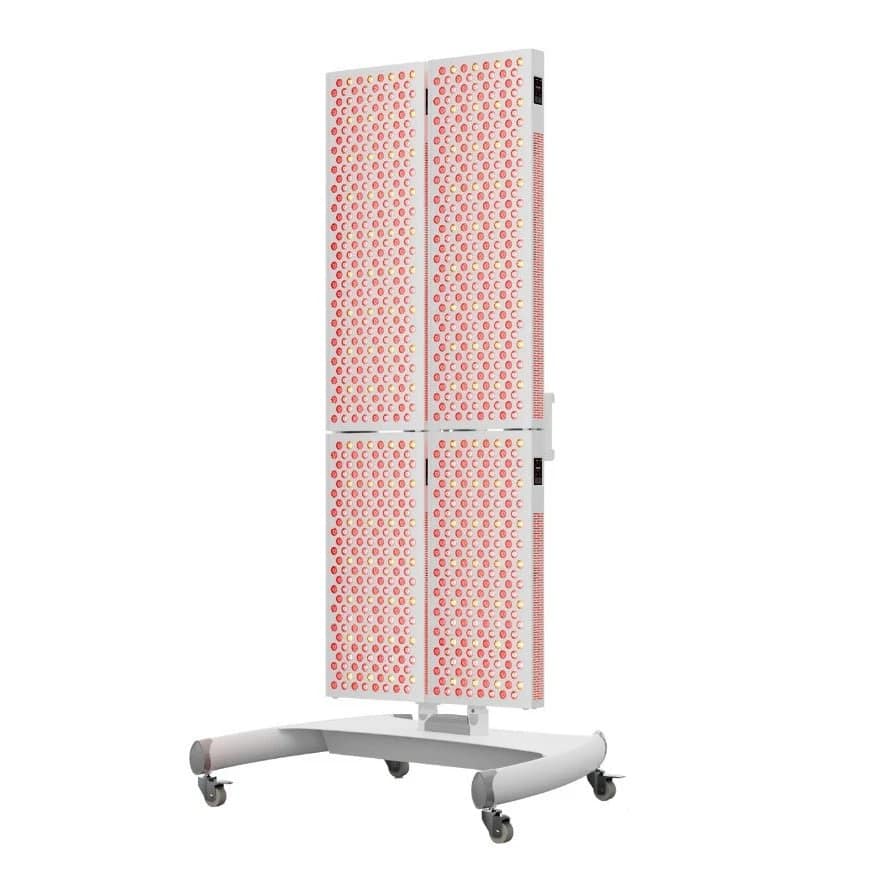
This is where the mito red light panel gets flexible. You can run it on its own as a full-body panel, but you can also join more than one together into what Mito calls a multi-panel array. If a single panel does not cover as much as you want, you add another and connect them into one larger unit. Buying them together as a bundle also saves you money over picking up the panels separately.
| Configuration | Panels | LEDs | Size (W×H) |
|---|---|---|---|
| MitoADAPT MAX 4.0 (this review) | 1 | 288 | 12″×36″ |
| MitoADAPT MID 4.0 & MAX 4.0 | 2 | 504 | 12″×63″ |
| 2× MitoADAPT MAX 4.0 | 2 | 576 | 12″×72″ |
| 2× MitoADAPT MID 4.0 & MAX 4.0 | 4 | 1008 | 24″×63″ |
The first setups pair the MAX with the Mito Adapt 4.0 MID. The MID is the smaller panel, 12 by 27 inches next to the MAX’s 12 by 36, so joining the two gives you a taller unit that covers more of your body in one go. From there you can run two MAX panels together, or go all the way to a double setup with two MID and MAX pairs.
Warranty

Two numbers tell you how much a company trusts its own panel: how long you get to send it back, and how long they will stand behind it after that. The Adapt 4.0 does well on both.
The return window is 60 days. That is the part I care about more than people expect, because a panel is not something you can judge in a weekend. It takes weeks of real use to know whether it earns a spot in your routine or ends up in a closet. A lot of brands give you two weeks. Two months is enough to actually find out.
Then the warranty runs three years. On a device you might use most days of the week, that length of coverage is the company betting the hardware lasts, and that bet is the reassuring part.
You can also pay with HSA or FSA funds, and US shipping is free.
Final Rating
FINAL RATING
MITO ADAPT 4.0 RED LIGHT THERAPY PANEL
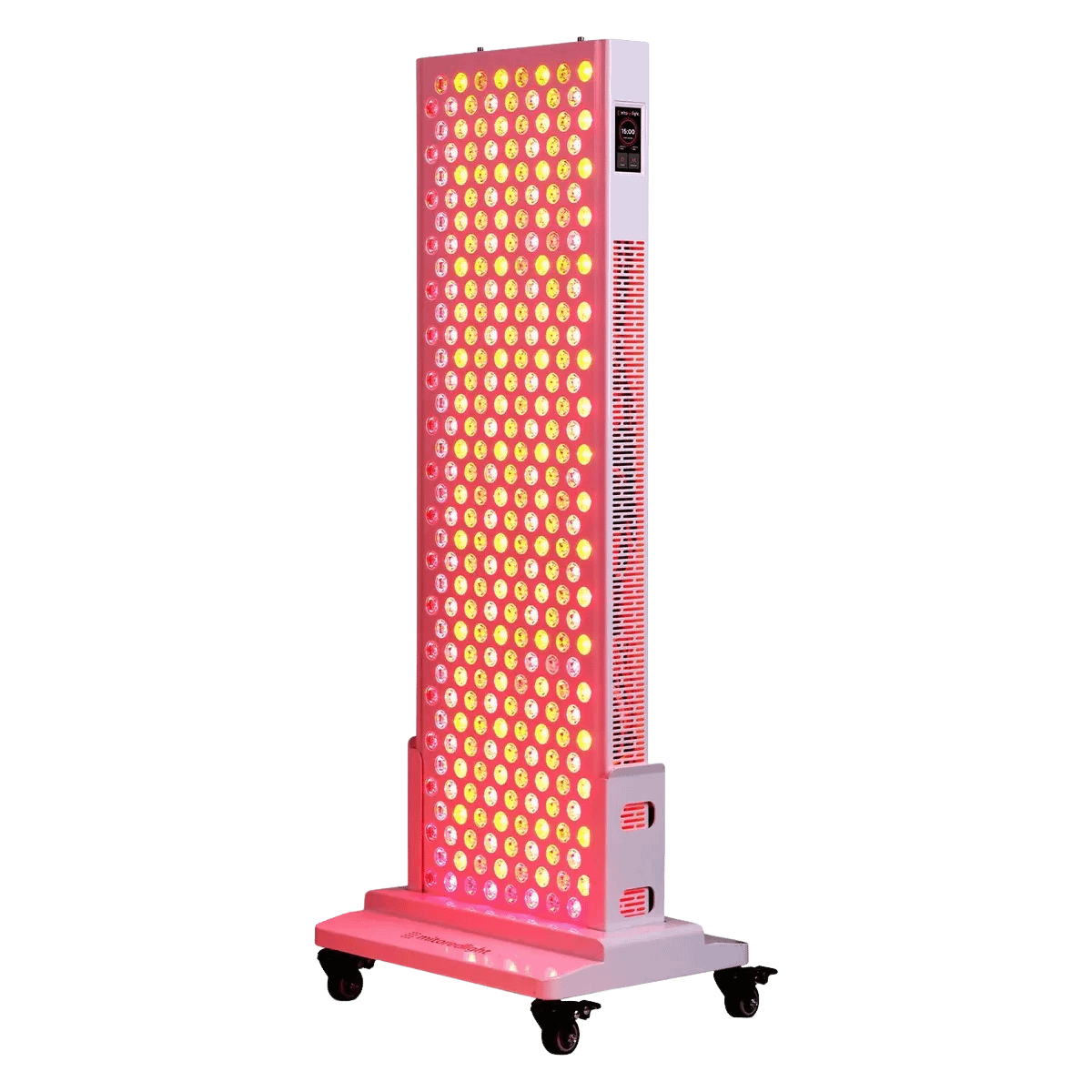
Best Full-Body Panel Overall
At first the eleven modes look like overkill. The instinct is to leave it on full spectrum because choosing feels like effort. But that is where the panel earns its price. Once you learn which mode does what, the choosing becomes the point: deep infrared for a sore joint, the red bands for skin, full spectrum when nothing specific is on your mind.
That adaptability is the whole reason to buy it, and also the reason it is not for everyone. If your ideal device has a single switch and no decisions, this is the wrong purchase. You would be paying for eleven modes to use one, and a plain panel would leave you happier and lighter in the wallet. The Adapt rewards curiosity, someone who wants to tinker and slowly work out what their body responds to.
So who is it for? The tinkerer. If shaping your own routine sounds like a pleasure rather than a hassle, few panels at this size give you as much to work with.
Is the MitoPRO 1500+ the Best RLT Panel For You?
Here’s why this is your ideal full body panel:
- ✅ You Want to Vary Your Protocol: Eleven modes mean you can run red for skin one day and deep infrared for a sore joint the next.
- ✅ You Like Tracking What Works: The app logs your sessions and lets you run the panel from your phone.
- ✅ You Want Room to Grow: When you want more coverage, it stacks with another MID or MAX into a bigger array.
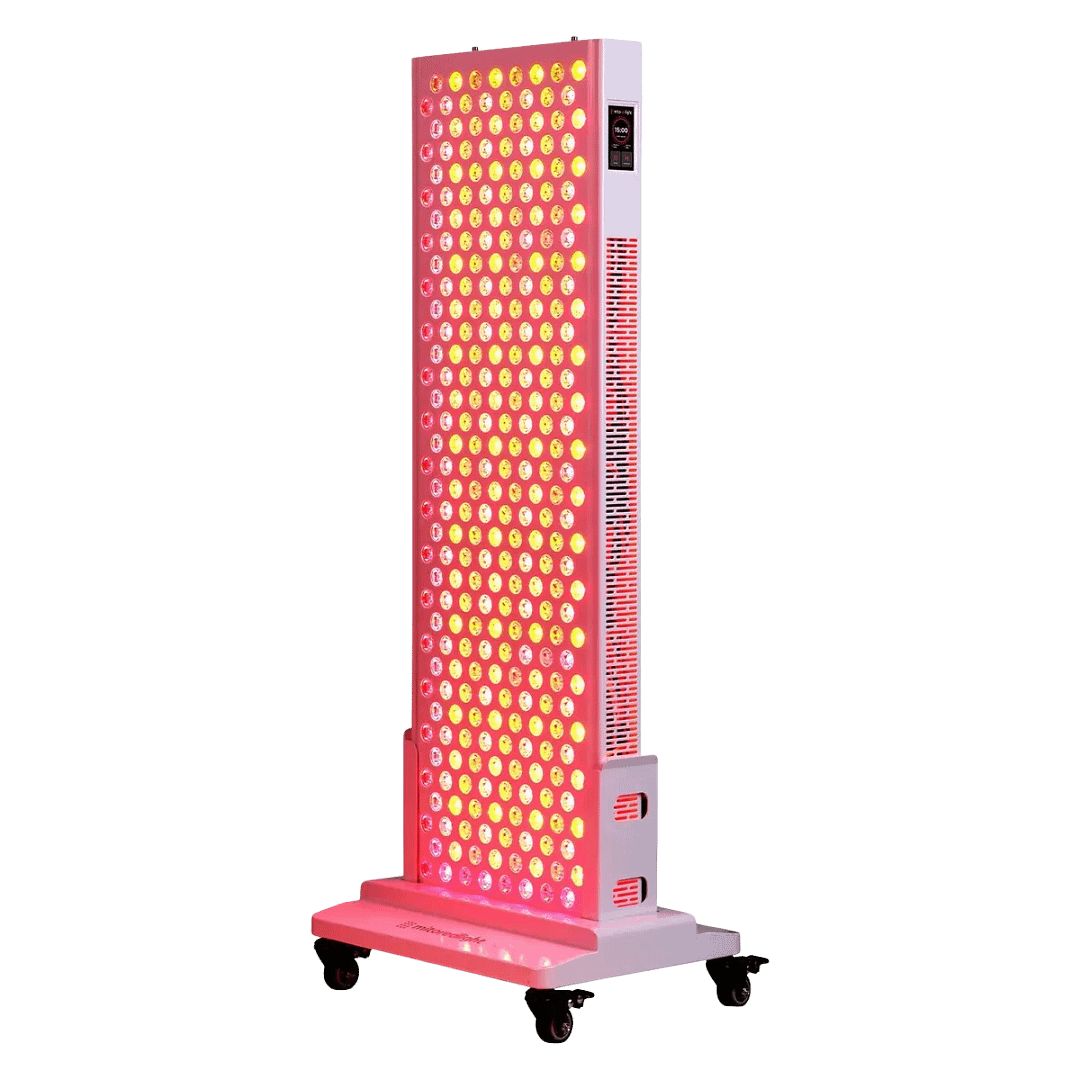

Frequently Asked Questions
How does the Mito Adapt 4.0 compare to other options?
This mito red light panel review looks at the Adapt 4.0 on its own. If you want to see how it stacks up against the field, I keep a full comparison of the top red light therapy panels that lines them up on price, warranty, what’s in the box, the standout features, performance, and the tech behind each one.
Can I trust Mito as a brand?
Yes. Mito is a US company and one of the better known names in red light. If you want the background before buying a mito red light panel, my full brand review covers it, or you can head to their site and judge for yourself.
Do full-body panels work better than smaller ones?
Depends what you’re after. A full-body mito panel like this one covers a large area at once, so it saves time and fits a general wellness routine. A smaller device makes more sense if you only want to treat one spot, like your face, a single joint, or a sore muscle.
Can Red Light Therapy work for my particular problem?
Probably. Red light isn’t tied to one condition, it works at the level of your cells. The red and near-infrared light reaches into the body, helps your cells make more energy, calms swelling, and improves blood flow. That can show up as faster healing, less pain, and feeling better overall, whether your thing is skin, sore muscles, stiff joints, low energy, or none of the above. The science is real, but so is the hype online, and the point of this site is to help you tell what actually works from what’s just marketing.
Should I Try Red Light Therapy for Skin Care?
If you’ll stick with it, it’s worth a try. Regular use builds collagen, improves circulation in the skin, and brings down inflammation, and the research backs it for anti-aging, smoother texture, and healthier skin over a span of months. My full breakdown of red light therapy for skin care goes through how it works and what to realistically expect.
Can You Lose Weight With Red Light Therapy?
Up to a point. Red light gets fat cells to release what they’re storing, and your body burns it off from there. It’s a slow effect, not a shortcut, and it counts most when you pair it with an active lifestyle. I go into it in my red light therapy for weight loss guide.
Will Red Light Therapy Work for My Hair Loss?
It can. Red light works on hair loss by waking up dormant follicles, bringing more blood to the scalp, and easing the inflammation that holds growth back. It does best on pattern baldness and thinning when you keep the sessions consistent. My red light therapy for hair loss guide covers the science and what you can honestly expect.
Do Red Light Therapy devices have FDA approval?
Yes. The first clearances go back to 2002, for minor joint and muscle pain, arthritis, muscle spasms, and poor circulation. More followed over the years: muscle relaxation and stiffness in 2003, carpal tunnel in 2009, hair loss in 2010, knee arthritis pain in 2013, and from 2018, softening wrinkles, faster wound healing, and recovery after cosmetic work.
Can I rest my body directly against the Panel?
No. Don’t lean on it, it isn’t built to hold your weight. Keep it on a stand or hang it from a door.
What distance should I keep from the panel?
Keep at least 3 inches between you and the panel. Most people land on a sweet spot between 4 and 8 inches.
Should I be undressed during treatment sessions?
Bare skin gives the best results, since clothing blocks most of the light. The benefit lands where the light hits you directly, though better cell function and circulation can spread some of it further. That’s why big panels suit full-body sessions and smaller ones are better for a single area.
Is Red Light Therapy dangerous or unsafe?
Used sensibly, it’s very safe. Unlike UV, it won’t damage your DNA or burn you, because these are safe wavelengths. Side effects are rare, usually nothing more than some warmth or brief redness if you sit too close or run too long. Decent devices are EMF-tested and meet the standards, so they’re fine to use at home or in a clinic.
Be careful if:
- You’re pregnant: Check with your doctor before starting.
- You’re sensitive to light: Ask a doctor if you have a condition or take medication that raises light sensitivity.
- You have active skin cancer: Don’t put red light on cancerous areas without your doctor’s go-ahead.
- You have epilepsy or seizures: Bright light can be a trigger, so get medical approval first.
- You have eye problems or recent eye surgery: Don’t look straight at the LEDs, and wear eye protection if needed.
Will this damage my tattoos?
No, it’s safe for tattoos. Unlike UV, it won’t fade the ink, and it may even leave the skin around them looking better. It calms swelling, helps healing, and supports skin health, so your colors are fine.
Can I use the Mito panel in a sauna or a humid room?
No, keep it out of the sauna and away from steamy, humid rooms. It’s an electronic device, and heat and moisture wear it down over time. A normal, dry room is where it belongs. If you want red light and heat together, run your session first and hit the sauna after.
What is TruDUAL chip technology and why does it matter?
TruDUAL is the chip design behind the mito adapt panel. Each of the eight wavelengths sits on its own circuit, so the panel can fire any mix of them at full strength instead of the usual red, near-infrared, or both. That’s what gives you the eleven selectable modes. In plain terms, you pick the exact wavelength combination for what you’re treating rather than being locked to one fixed output.
How do I use the Mito Adapt 4.0 app?
The Mito Red Light app runs on iPhone and Android. It controls the mito red light therapy panel from your phone or tablet, so you can pick a mode and start a session without walking over to it, and it logs your sessions so you can see what you’ve been running over time. If you’d rather skip the app, the touchscreen on the panel does everything on its own.
How often should I use the Mito Adapt 4.0?
About 10 minutes on each area is plenty, 4 to 6 times a week. Leave yourself at least one day off, since the repair work happens during the rest, not just the session. More isn’t better here, regular and steady beats long and occasional.

ABOUT THE AUTHOR
Marco Gentile
Marco Gentile (CHC, CMT, CTP, CETS) is a seasoned wellness professional with over 10 years of experience using red light therapy to help clients achieve optimal health and longevity. Currently, he works at the Burke Williams Spa – Health, Wellness & Fitness Center in L.A., where he continues to inspire and support individuals on their wellness journeys.
Related Articles

The Best Red-Light Therapy Wands & Torches of 2026. Complete Buyer’s Guide

The Best Red-Light Therapy Belts of 2026. Complete Buyer’s Guide

The Best Red-Light Therapy Panels: What’s the Best Full-Body Panel of 2026?

The Best Red-Light Therapy Masks for Skin Care of 2026. Complete Buyer’s Guide

The Best Red-Light Therapy Hats of 2026. Complete Buyer’s Guide

The Best Red-Light Therapy Mats of 2026. Complete Buyer’s Guide
