
Kala Red Light Therapy Hat Review: Can a Simple Battery-Powered Hat Really Stop Hair Loss On the Go?

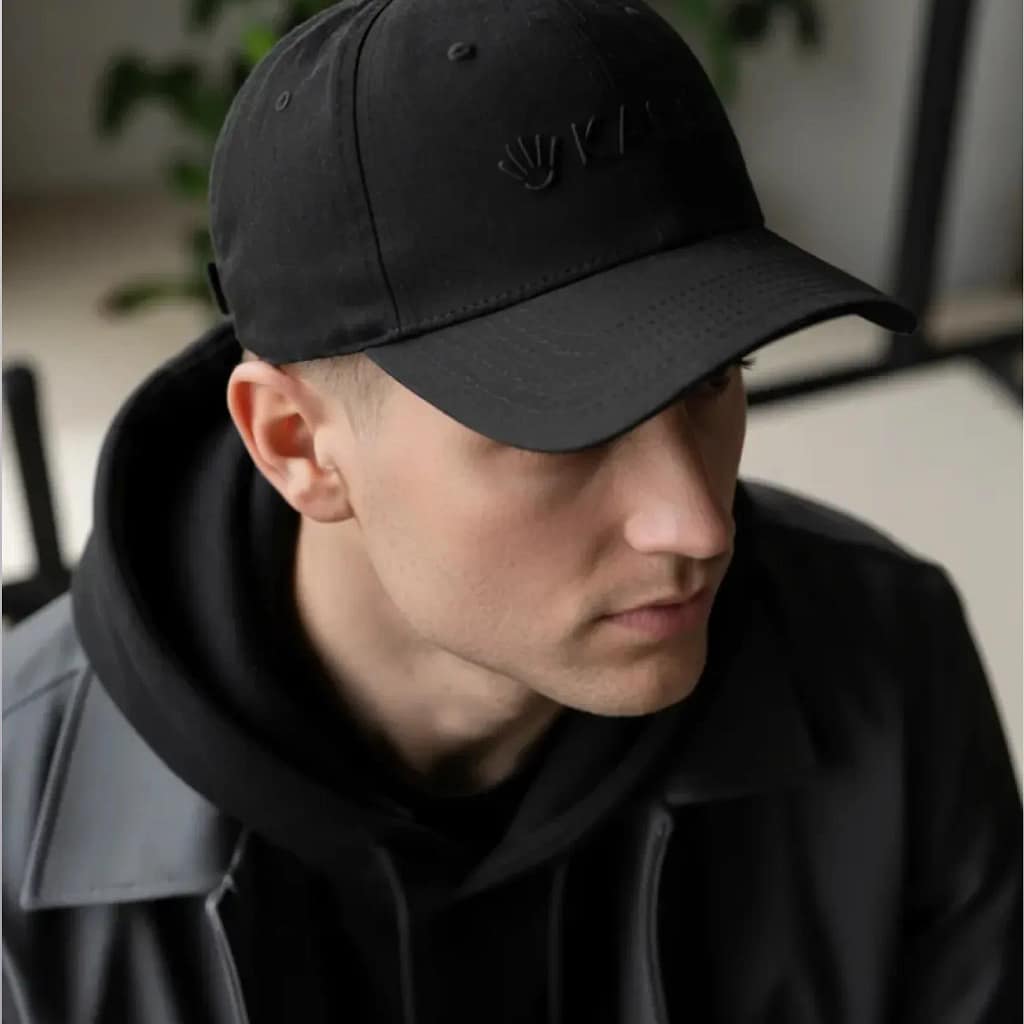
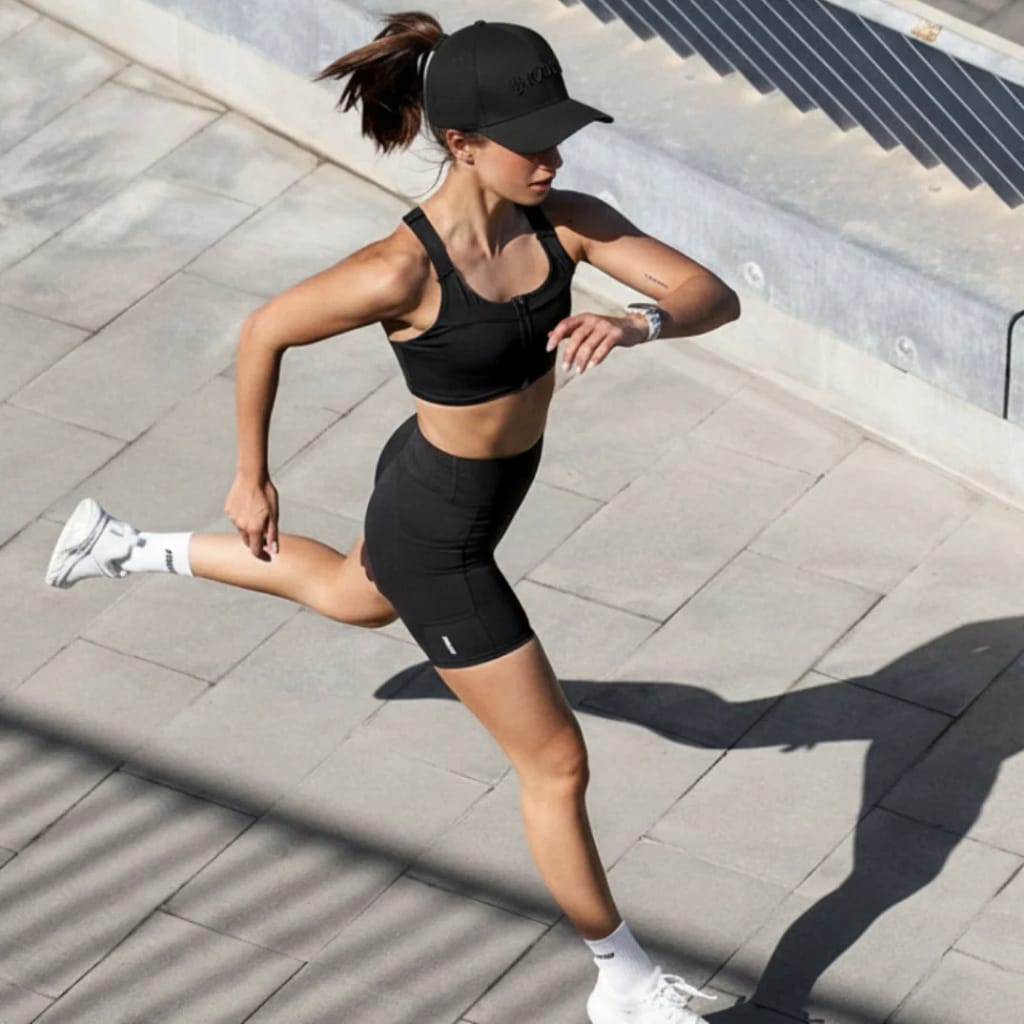
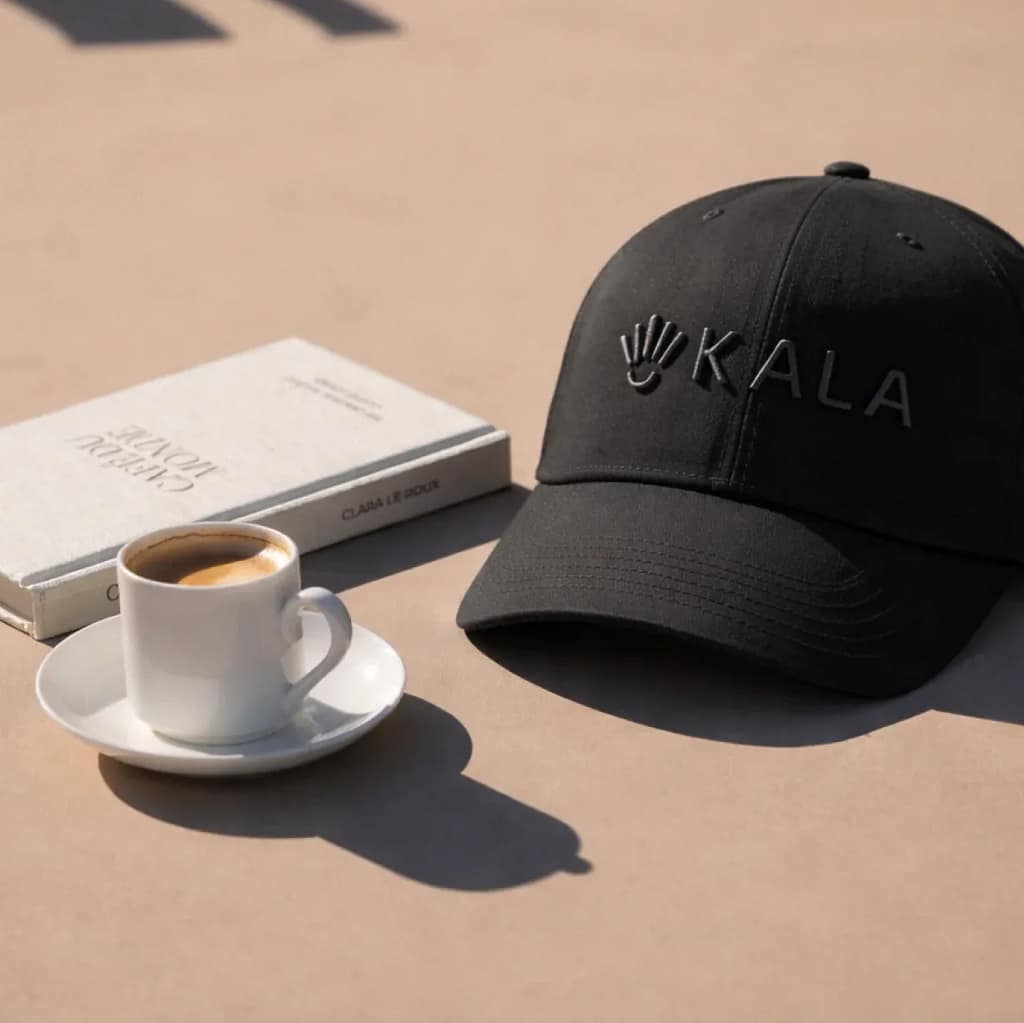
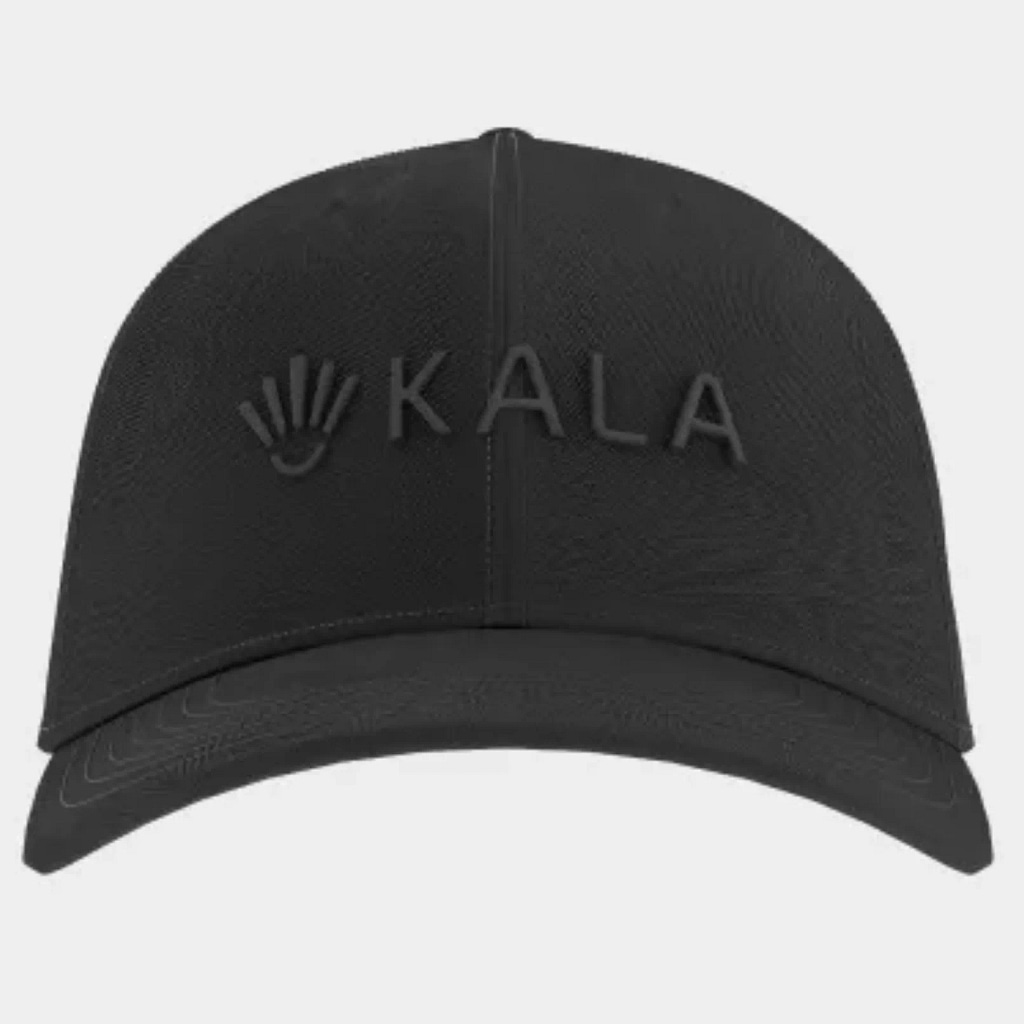
Hey there! Welcome to my review of the Kala Red Light Hat! Portable means nothing if you’re tethered to a wall. Most hats force you to sit within cord distance of an outlet. The Kala hat has a lithium battery built in, so you can actually move around freely without hunting for a plug first.
It’s basic. Red light only, no infrared. No fancy settings or modes to cycle through. And it’s not cheap either, which made me question what you’re paying for when the features list is so short.
What I heard from people testing it was simple, they could sit anywhere, walk around naturally, not think about cord length or outlet location. That freedom meant they actually wore it consistently instead of skipping sessions because they didn’t want to be stuck in one spot. The question became whether mobility alone justifies the higher price when you’re getting fewer features.
Click the Code to Copy it & SAVE 15%

Product Details
Key Features
-
Red Light Only
-
1 Wavelenghts: 650 nm
-
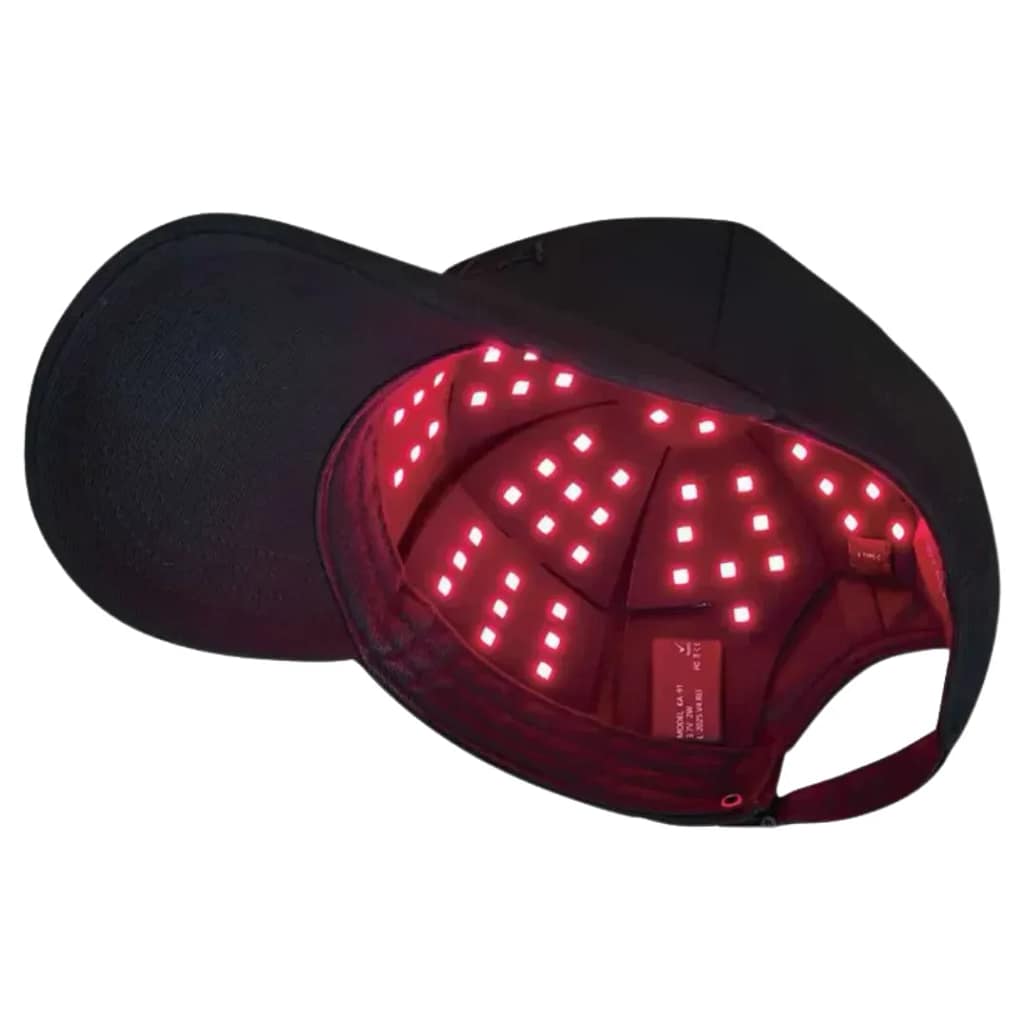
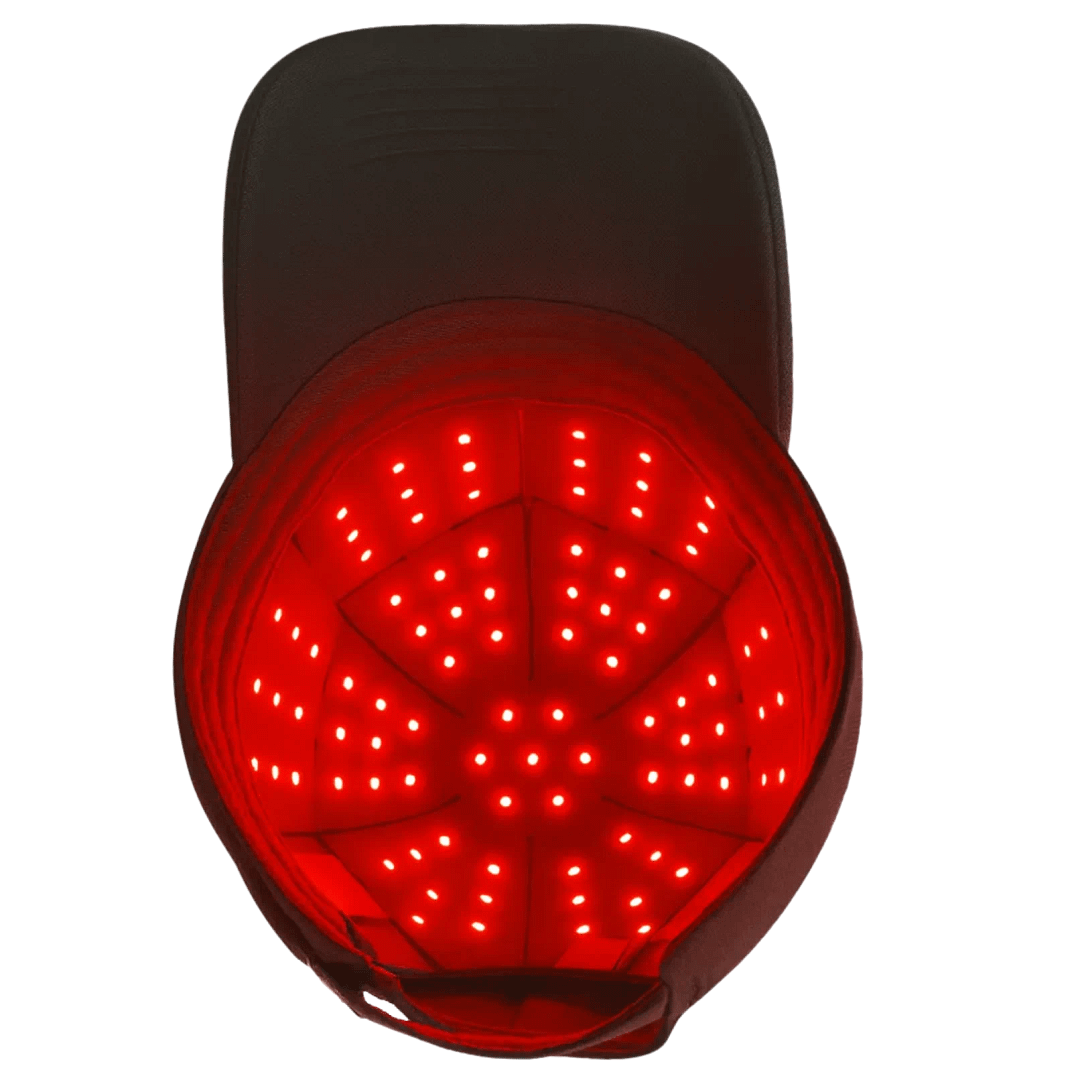
91 Single-Chip LEDs
-
Continuos Light Only (No Pulse)
-
Irradiance: 5 mw/cm2
-
Weight: 0.44 lbs (201g)
ACCESSORIES
-
Lithium Battery
Buyer Protection
-
30 Days Return Policy
-
2-Year Warranty
Click the Code to Copy it & SAVE 15%
Red Light Therapy Technology 

1 WAVE LENGTH
Your scalp adapts when you use one wavelength repeatedly, making treatments less effective over time. Multiple wavelengths keep results consistent. Unfortunately the Kala Hat only fires red light at 650 nm. You miss out on the wavelength variety that most other red light caps provide.
- 650nm (Red Light) – Targets surface skin, boosting collagen and smoothing wrinkles. Calms inflammation and redness from breakouts or sensitivity.

91 SINGLE-CHIP LEDS
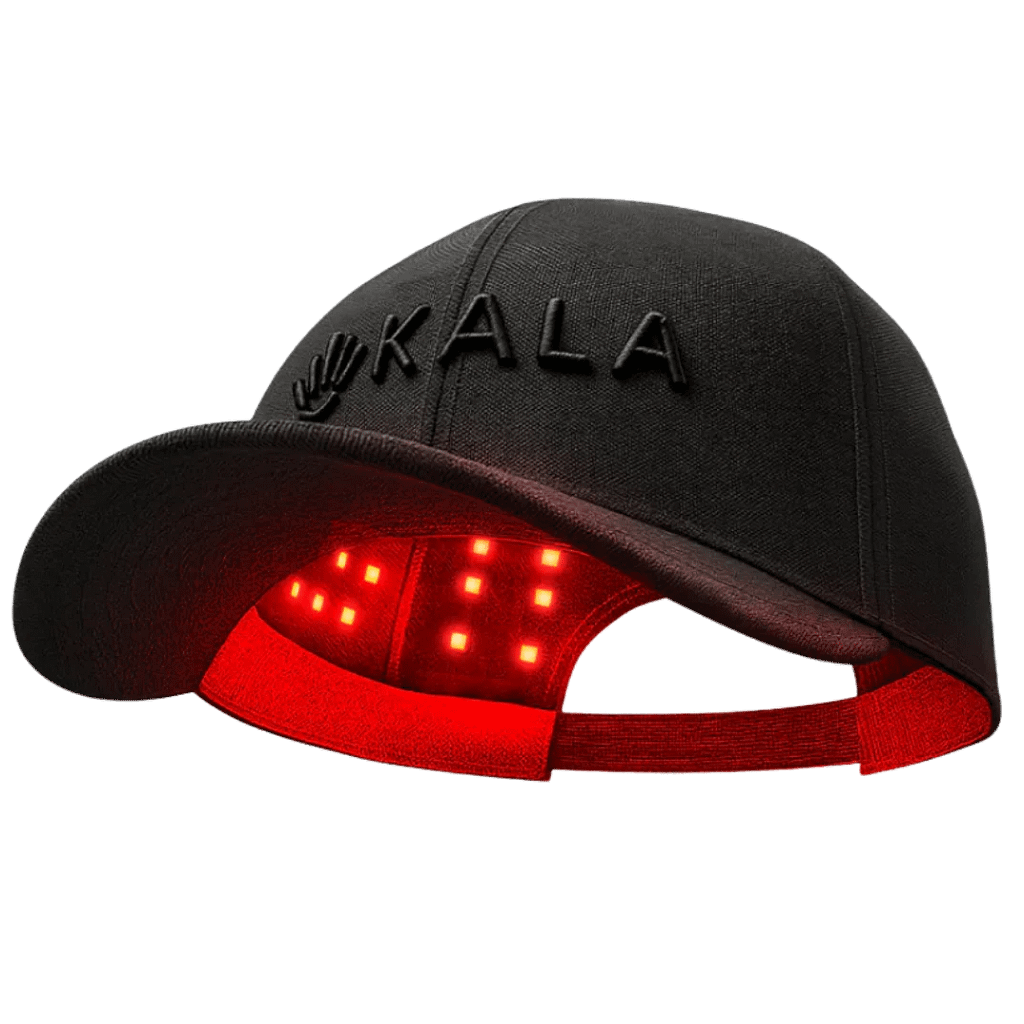
The Kala Red Light Hat uses 91 single-chip LEDs designed to emit red light only. Each LED contains just one chip inside, which limits the device to a single wavelength during your sessions. Thi is the most basic technology for LEDs, but it works very well, as long as you only need red light therapy.

IRRADIANCE: 5 mw/cm2
Irradiance measures how much light hits your skin in milliwatts per square centimeter. Higher irradiance creates stronger treatments and shorter sessions. The Kala Hat delivers 5 mw/cm2, which is very low. While you may need longer treatment times, the low irradiance will be a life changer if you have sensitive skin.
Click the Code to Copy it & SAVE 15%
Functions

The Kala Red Light Hat offers minimal functions. A built-in timer automatically shuts off the device after 10 minutes. Beyond that, the cap is either on or off. There isn’t even a controller. You can’t select wavelengths because the hat only emits red light anyway. The device runs at a fixed intensity level, so the light stays consistent throughout every session. This model doesn’t include pulsed mode.
Accessories 

While it’s not technically an accessory, this hat has one thing that beats most other red light therapy hats on the market. The lithium battery changes everything. Unlike other hats, you don’t need to stay near a wall outlet during sessions. Just charge it beforehand and take it anywhere you want.


Click the Code to Copy it & SAVE 15%
Warranty

Kala gives you 30 days to send the hat back if it doesn’t deliver what you need. One month provides enough sessions to figure out whether it works for your scalp. The warranty lasts two years, which beats what most brands provide for similar devices.
Final Rating
FINAL RATING
KALA RED LIGHT THERAPY HAT
Best for Sensitive Skin
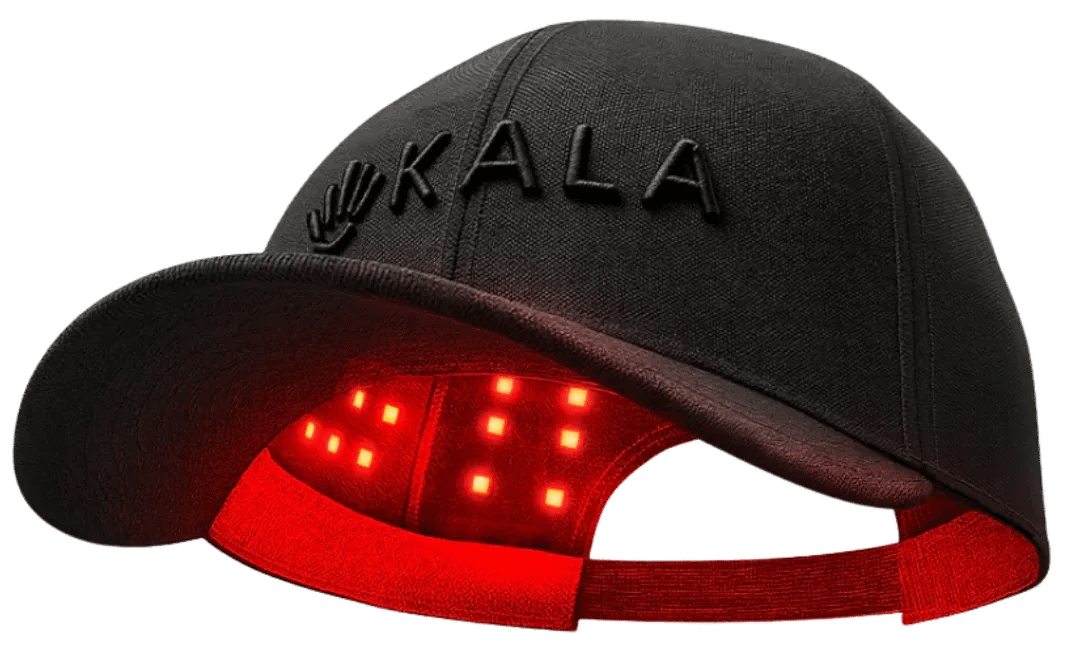
The low irradiance will turn off most people. Nobody wants to wear a red light therapy hat for hours just to see some results. But people with sensitive skin might find this perfect. Very few red light hats let you adjust intensity. If you can’t find one that does and you have sensitive skin, your options are limited. The built-in lithium battery makes this hat extremely portable too. The price runs a bit high for what you get, but if you need a gentler device that works anywhere without hunting for outlets, this hat delivers exactly that.
Is the Kala the Best Red Light Hat For You?
This is your ideal cap if:
- ✅ You just need red light. This cap does not emit infrared light, so red is all you get.
- ✅ You want portability. With its battery, you can take this hat with you wheverever you go.
- ✅ You have sensitive skin: This cap has low irradiance, and it’s much gentler on your skin.

Click the Code to Copy it & SAVE 15%
Frequently Asked Questions
Why pick a red light hat instead of a panel?
Hats are much cheaper than panels, so they’re easier on your budget if your main focus is treating your scalp for hair loss. They’re easy to carry and use while working, relaxing, or on the go. Since they fit your head specifically, all the light hits right where it needs to instead of covering a wider area. Panels work well for whole-body treatment, but when hair growth is your priority, a hat is the better choice.
Read: Best RLT Full-Body Panels for 2026
How does the Kala Hat stack up to alternatives?
I’ve created a full breakdown of today’s top Red-Light Therapy hats on the market. Each one gets rated on pricing, warranty details, what’s included, key features, what they can treat, and the tech behind them.
Is Kala a dependable brand?
Yes, Kala has built strong credibility in the wellness space. For all the information, check out my complete Kala brand review, or head to their official site to learn more.
Can Red Light Therapy really help me?
Red light therapy targets your cells to support healing and rejuvenation. The red wavelengths boost your cells’ energy, leading to more collagen, less inflammation, and better circulation to your skin. Research supports these benefits for improved skin health, tone, and texture. I’ve put together a thorough guide separating real science from marketing hype—read it to see what’s backed by evidence versus what’s just sales talk.
Does Red Light Therapy Work for Hair Loss?
Red light therapy can help with hair loss by stimulating follicles, increasing blood flow to your scalp, and reducing inflammation. Studies show it works best for pattern baldness and thinning hair when you use it consistently. I wrote a detailed guide on red light therapy for hair loss that covers exactly how it works and what results you can expect.
Does the FDA approve Red Light Therapy?
The FDA started clearing red light devices in 2002 for minor muscle and joint aches, arthritis relief, muscle spasms, and circulation improvement. More clearances followed: 2003 for muscle relaxation and stiffness, 2009 for carpal tunnel, 2010 for hair loss, 2013 for knee arthritis pain, and from 2018 onward for wrinkle reduction, wound healing, and recovery support after cosmetic procedures.
How long until I notice changes?
This depends on your specific skin concerns and how regularly you use it. Some people notice less redness and puffiness within a few weeks. More obvious improvements—like softer fine lines, better tone, and improved texture—usually show up around 8 to 12 weeks with consistent sessions. Using it daily speeds things up. Staying consistent is the key factor for seeing skin improvements with red light therapy.
What’s the ideal frequency and session length?
Sessions typically last ten minutes or less. Shoot for at least 3–5 times per week. You can use it daily without problems, but don’t go over twice a day—morning and evening at most.
Why is the infrared light invisible?
Near-infrared wavelengths sit outside the range our eyes can see—we just can’t detect them. The LEDs still give off a weak glow, though, especially when it’s dark. If you’re unsure whether they’re functioning, check them in a dark room and you’ll notice that dim glow.
Does Red Light Therapy have any risks?
It’s very safe with correct use. Unlike UV light, it won’t damage your DNA or cause burns—it relies on gentle, safe wavelengths. Side effects are uncommon, possibly just some warmth or light redness from getting too close or using it too long. Quality devices pass EMF safety checks and meet standards, making them safe for home or clinic use.
Be careful if you have:
- Light Sensitivity: Talk to a doctor if you’re sensitive to light or take medications that cause sensitivity.
- Active Skin Cancer: Avoid using red light on cancerous spots without professional guidance.
- Epilepsy or Seizure Disorders: Bright lights might cause problems; get medical approval first.
- Eye Problems or Recent Eye Surgery: Don’t stare at the LEDs directly and use protective eyewear when suggested.
Is it safe for my tattoos?
Red light therapy won’t harm your tattoos—there’s no fading. Unlike UV exposure, it’s safe for ink and might even help your skin when getting new tattoos. It reduces redness, speeds healing, and boosts skin condition, so you can use it without stressing about your tattoo colors.

ABOUT THE AUTHOR
Marco Gentile
Marco Gentile (CHC, CMT, CTP, CETS) is a seasoned wellness professional with over 10 years of experience using red light therapy to help clients achieve optimal health and longevity. Currently, he works at the Burke Williams Spa – Health, Wellness & Fitness Center in L.A., where he continues to inspire and support individuals on their wellness journeys.
Related Articles

The Best Red-Light Therapy Hats of 2026. Complete Buyer’s Guide

The Best Red-Light Therapy Neck Devices of 2026. Complete Buyer’s Guide

The Best Red-Light Therapy Mats of 2026. Complete Buyer’s Guide

The Best Red-Light Therapy Belts of 2026. Complete Buyer’s Guide

The Best Red-Light Therapy Wands & Torches of 2026. Complete Buyer’s Guide

The Best Red-Light Therapy Masks for Skin Care of 2026. Complete Buyer’s Guide
